Ultrasonic Mist Maker Driver Board Module with Atomization Diaphragm, 5V USB Humidifier Atomizer PCB for DIY Projects

SKU: FA2212-0-2
Diaphragm Diameter

20mm

Operating Voltage

5V DC (USB)

Power Consumption

2W – 2.5W (variant dependent)

Ultrasonic Frequency

108kHz – 115kHz (variant dependent)

Diaphragm Type

Ceramic ultrasonic disc

Mist Output

Fine mist, suitable for small spaces

Diaphragm Lifespan

3000–5000 hours (typical)

Driver Type

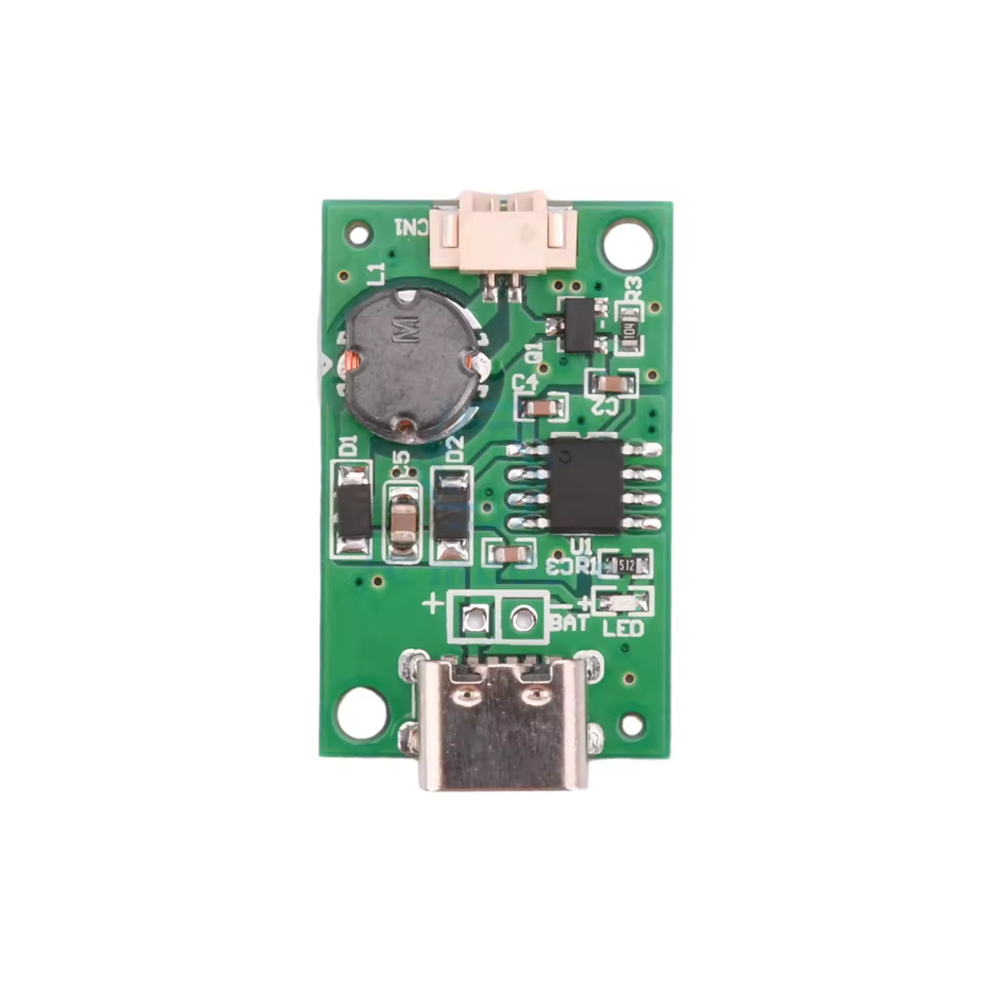
Integrated on-board driver circuit

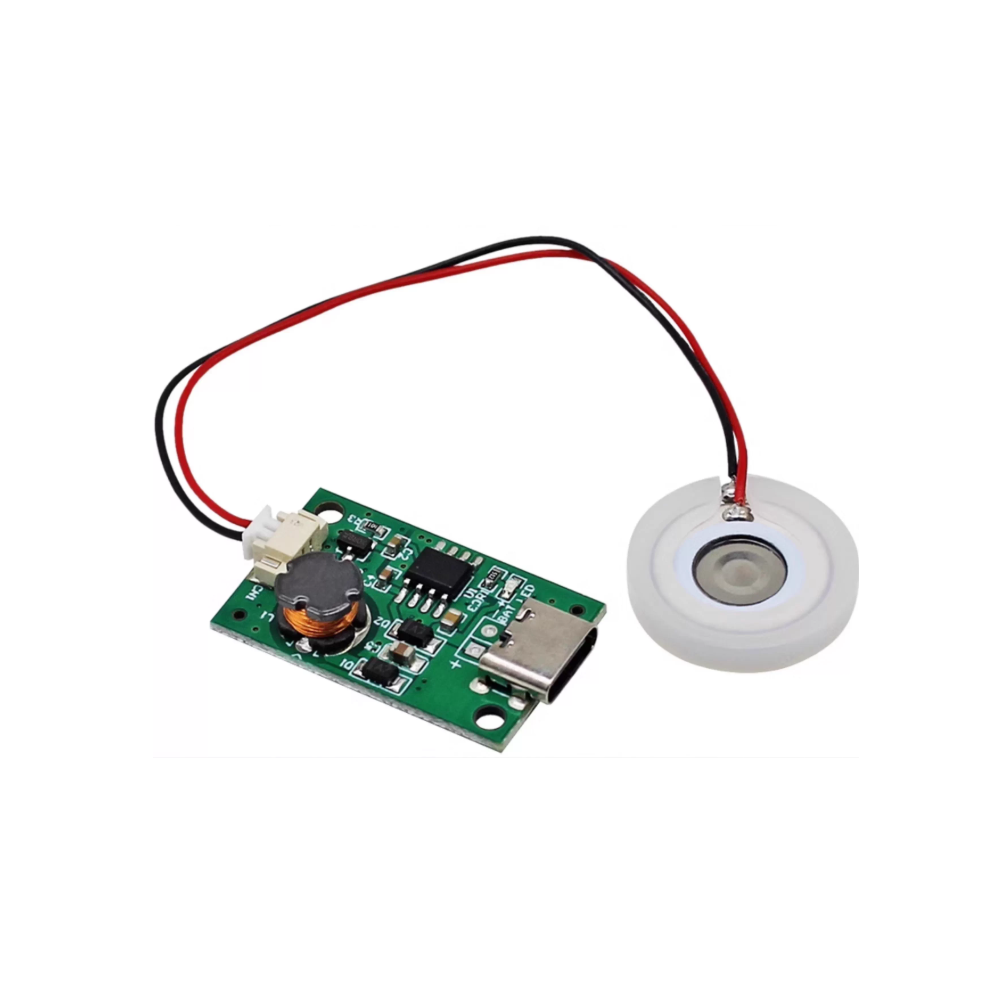
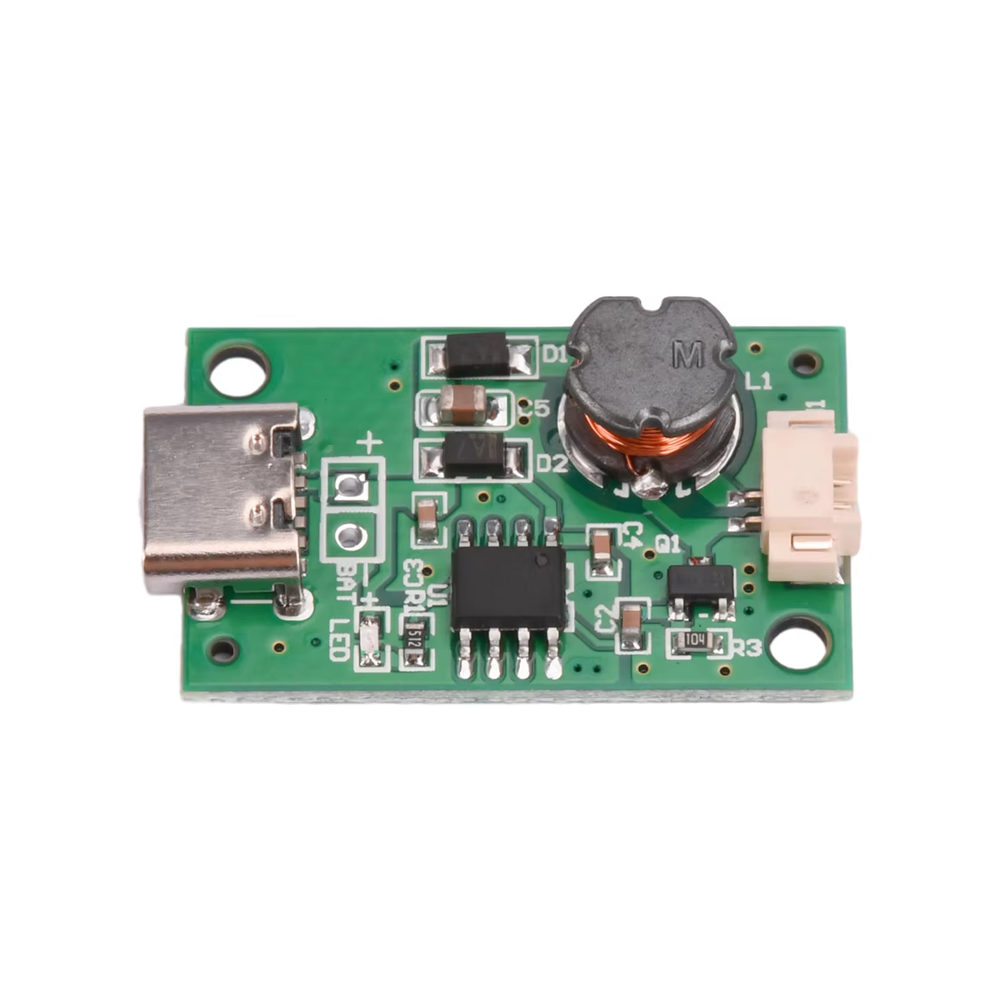
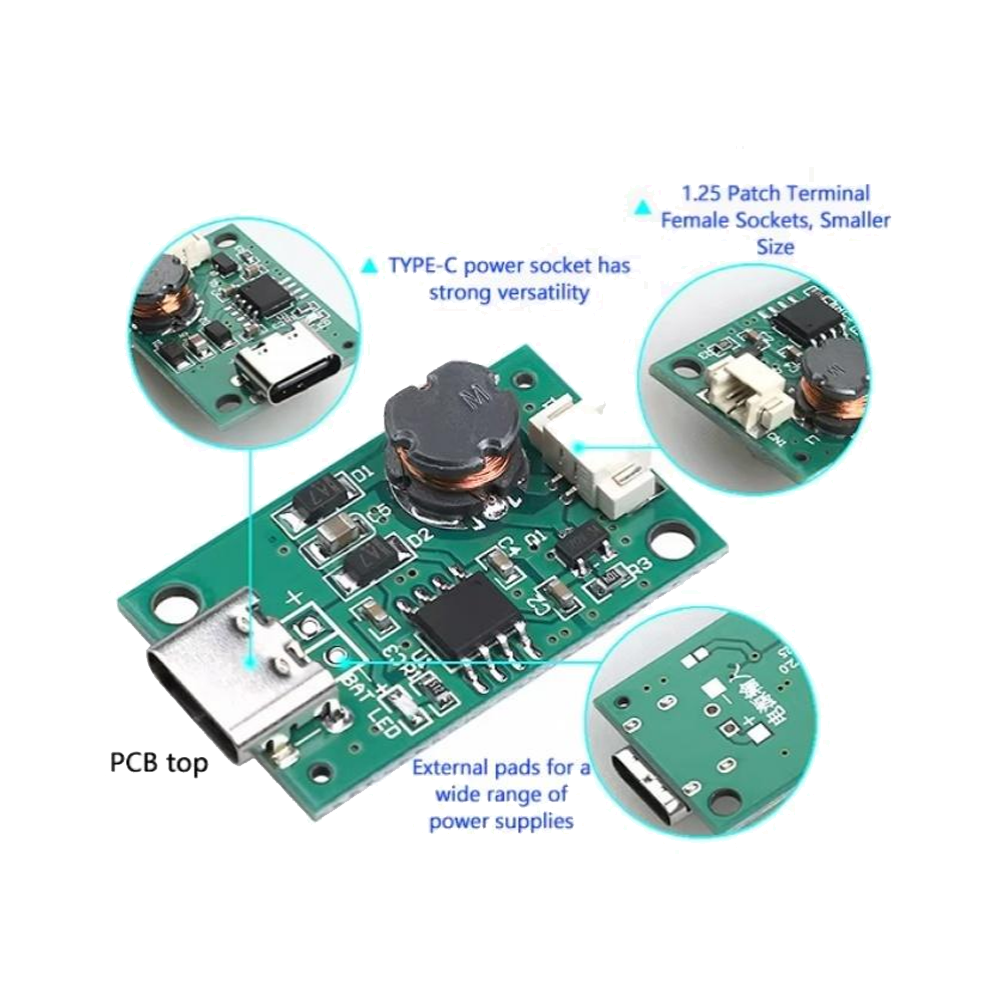
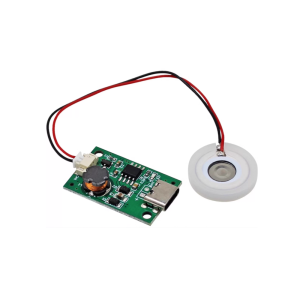
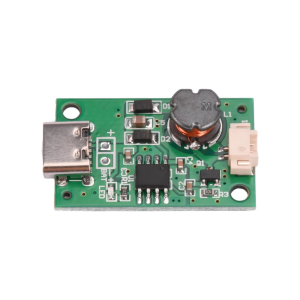
The Ultrasonic Mist Maker Driver Board Module is a compact, ready-to-use atomizer kit designed for DIY humidifiers, mist makers, and air quality projects. It combines a high-frequency driver circuit board with a 20mm atomization diaphragm (ceramic ultrasonic disc), powered by a standard 5V USB supply. This makes it an ideal solution for custom humidifiers, desktop misters, aromatherapy diffusers, and DIY electronics projects requiring reliable ultrasonic atomization.

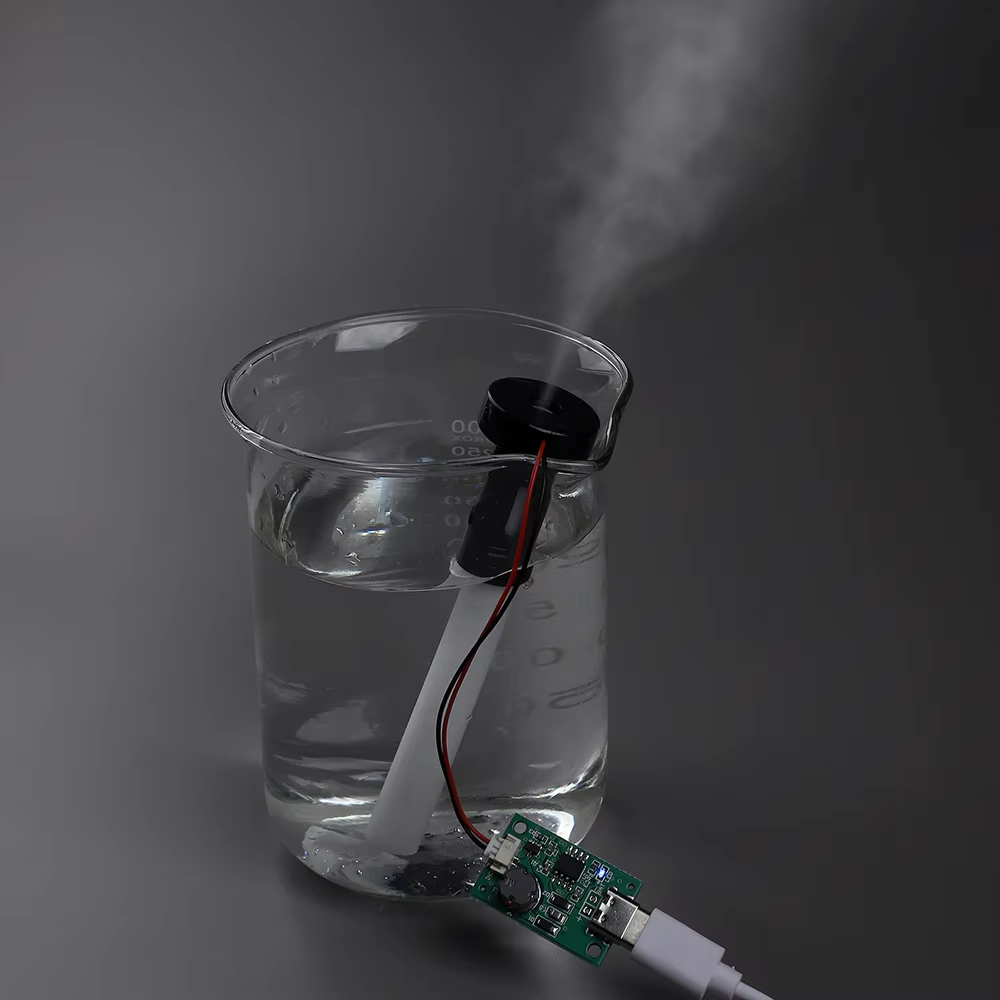
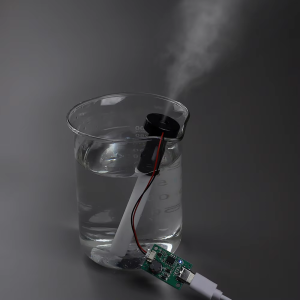
At the heart of the kit is the atomization diaphragm — a 20mm ceramic ultrasonic disc that vibrates at high frequency (typically 108kHz–115kHz, depending on the specific variant) to break water into fine mist particles. The driver board generates the high-frequency oscillation signal required to drive the diaphragm, eliminating the need for separate modules and complex wiring. The kit is ready-to-use: simply connect the diaphragm to the driver board, immerse it in water, and apply 5V USB power to begin misting.

The 5V USB power input makes the kit extremely convenient to use — it can be powered from any USB port, power bank, phone charger, or computer. The low power consumption (typically 2W–2.5W) is suitable for portable and battery-powered applications, while still producing a visible, consistent mist output suitable for small spaces.

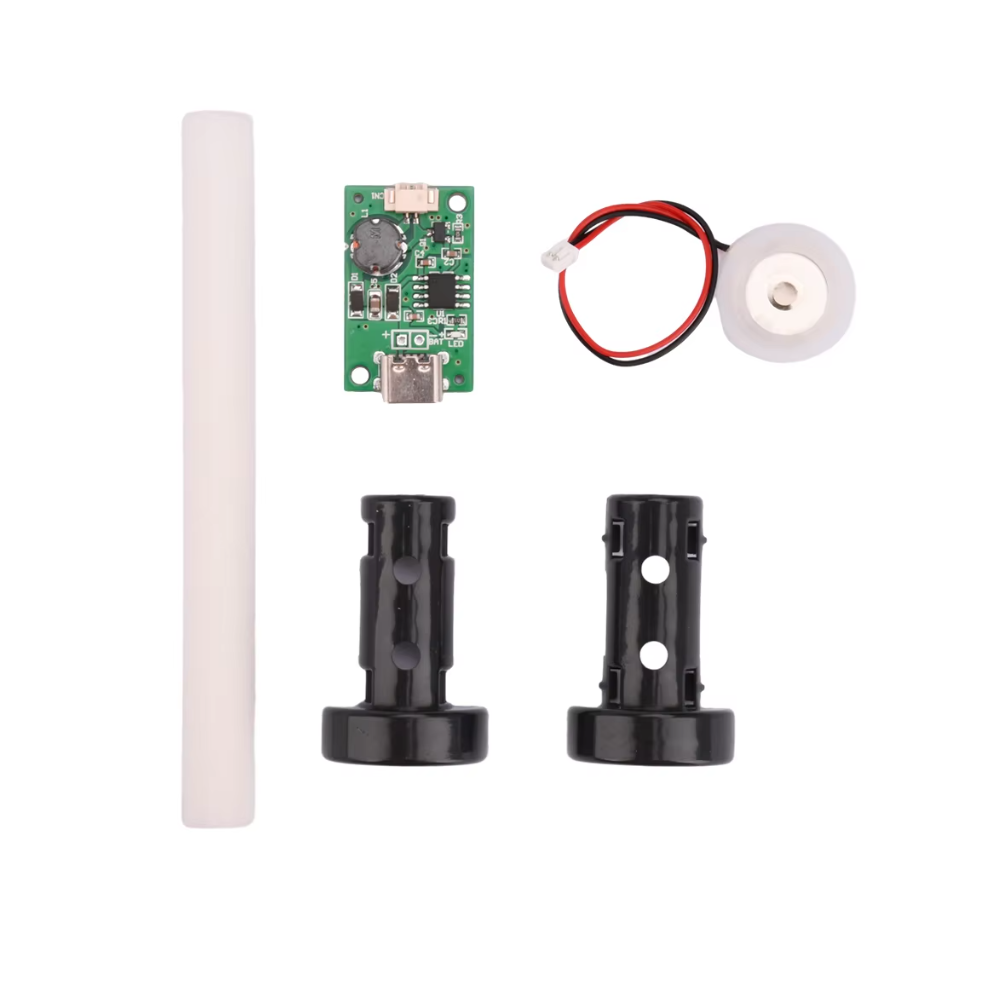
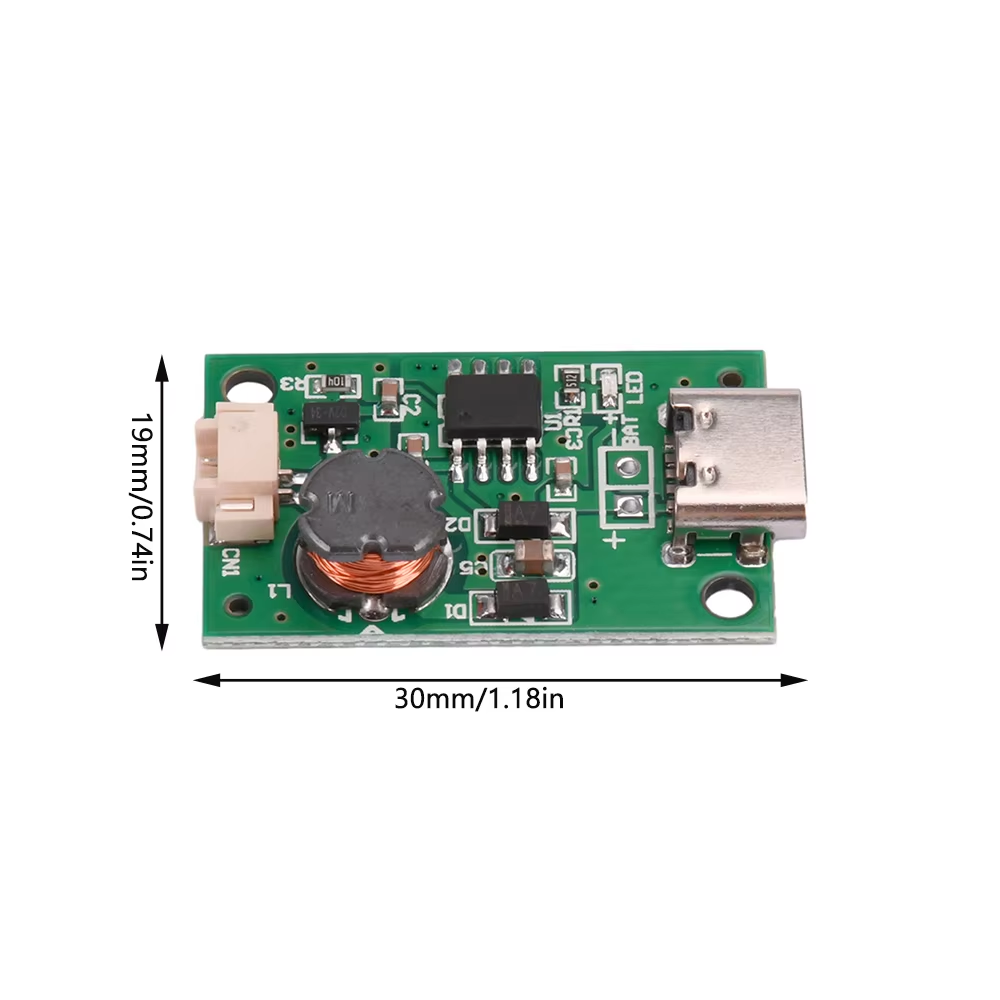
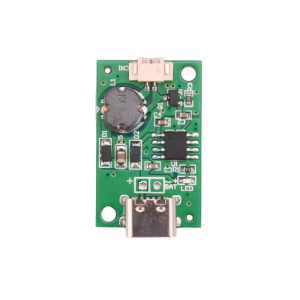
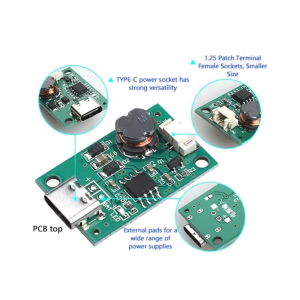
The kit includes the atomization diaphragm and the driver board, with pre-attached wiring for easy connection. The compact PCB design allows integration into small enclosures, bottles, and custom housings. The atomization diaphragm is designed for continuous operation when properly immersed in water, with a typical lifespan of 3000–5000 hours.

The kit is widely used in DIY humidifiers, aromatherapy diffusers, desktop misters, miniature fog machines, model-making effects, air quality projects, and educational science projects. It is also popular in commercial product development for small appliances and personal care devices.

Important Note: The atomization diaphragm must be fully immersed in water during operation. Do not operate the atomizer dry, as this will cause overheating and permanent damage. Use clean water (preferably distilled) to prevent mineral buildup on the diaphragm. The driver board should be kept dry and away from water.

Whether you are building a custom humidifier, designing an aromatherapy diffuser, or adding misting effects to a project, the Ultrasonic Mist Maker Driver Board Module provides a reliable, integrated solution. It is suitable for individual makers, students, and businesses purchasing in bulk for product development or educational programs.

Features

  • 20mm atomization diaphragm — Fine mist output for small-scale humidification

  • High-frequency operation — 108kHz–115kHz ultrasonic oscillation

  • Driver board included — Complete kit with pre-attached wiring

  • 5V USB power input — Convenient power from any USB source

  • Low power consumption — 2W–2.5W typical, suitable for portable applications

  • Ready-to-use kit — Includes diaphragm and driver board

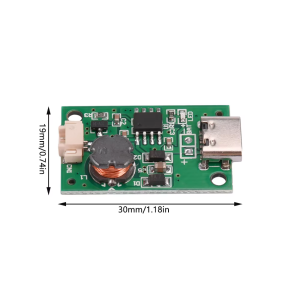
  • Compact PCB design — Easy integration into custom enclosures

  • Long diaphragm lifespan — 3000–5000 hours typical

  • Wide application range — DIY humidifiers, diffusers, misters, model effects

  • Wide compatibility — Works with various 20mm atomization diaphragms

Technical Specifications 

# Parameter Specification
1 Diaphragm Diameter 20mm
2 Operating Voltage 5V DC (USB)
3 Power Consumption 2W – 2.5W (variant dependent)
4 Ultrasonic Frequency 108kHz – 115kHz (variant dependent)
5 Diaphragm Type Ceramic ultrasonic disc
6 Mist Output Fine mist, suitable for small spaces
7 Diaphragm Lifespan 3000–5000 hours (typical)
8 Driver Type Integrated on-board driver circuit

Usage

Getting Started

  1. Connect the diaphragm — Attach the 20mm atomization diaphragm to the driver board using the pre-attached wiring. Observe correct polarity.

  2. Immerse the diaphragm — Place the ceramic disc fully submerged in water. Ensure the water level is sufficient to cover the disc completely.

  3. Connect power — Plug the driver board into a 5V USB power source (USB adapter, power bank, or computer). The atomizer will begin producing mist immediately.

  4. Verify operation — You should see fine mist rising from the water surface. If no mist is produced, check that the diaphragm is fully immersed and the wiring is secure.

  5. Adjust positioning — For best results, keep the diaphragm horizontal and at a consistent depth in the water.

Important Safety Notes

  • Do not operate dry — The atomization diaphragm must be fully immersed in water during operation. Dry operation will cause overheating and permanent damage.

  • Use clean water — Distilled or filtered water is recommended to prevent mineral buildup on the diaphragm.

  • Keep driver dry — The driver board should be kept dry and away from water. Only the ceramic disc should be immersed.

  • Ventilation — Ensure adequate ventilation around the driver board during operation.

Typical Applications

  • DIY humidifiers — Build custom desktop humidifiers

  • Aromatherapy diffusers — Add essential oils for aromatic misting

  • Desktop misters — Personal cooling and humidity control

  • Model-making effects — Create fog and mist effects for dioramas

  • Miniature fog machines — Small-scale theatrical effects

  • Air quality projects — Add humidity to small spaces

  • Educational science projects — Teaching ultrasonic atomization principles

  • Commercial product development — Prototype small appliances and personal care devices

Notes for Business Buyers

  • Integrated design — Diaphragm and driver board in one kit simplifies assembly and reduces component count.

  • USB-powered convenience — Standard 5V input makes the kit compatible with widely available power sources.

  • Low power consumption — Suitable for portable and battery-powered applications.

  • Suitable for bulk purchasing — Ideal for humidifier manufacturers, diffuser brands, and educational institutions.

Q: What is the Ultrasonic Mist Maker Driver Board Module used for?

It is a DIY atomizer kit for building custom humidifiers, mist makers, aromatherapy diffusers, and misting effects in small-scale projects.

Q: What is included in the kit?

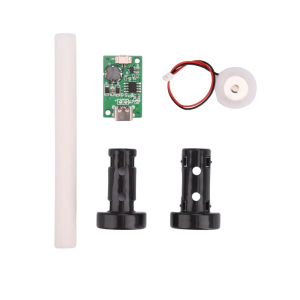
The kit includes a 20mm atomization diaphragm (ceramic ultrasonic disc) and a driver board with pre-attached wiring.

Q: How do I power the kit?

The kit is powered by a 5V USB source — any USB port, power bank, phone charger, or computer will work.

Q: What is the operating frequency?

The operating frequency depends on the specific variant, typically 108kHz to 115kHz.

Q: Does the diaphragm need to be submerged in water?

Yes. The atomization diaphragm must be fully immersed in water during operation. Dry operation will cause overheating and permanent damage.

Q: What type of water should I use?

Use distilled or filtered water to prevent mineral buildup on the diaphragm, which can reduce performance and lifespan.

Q: How long does the diaphragm last?

The ceramic diaphragm has a typical lifespan of 3000–5000 hours with proper use and maintenance.

Q: Can I use this kit with essential oils?

Yes. The kit can be used for aromatherapy by adding a few drops of essential oil to the water. However, oils may leave residue on the disc over time.

Q: Can I replace the diaphragm?

Yes. The atomization diaphragm is replaceable. Ensure you use a compatible 20mm diaphragm with the correct frequency rating for your driver board.

Q: Can I purchase in bulk for a product development project?

Yes. This kit is suitable for both individual users and business purchasing, including humidifier manufacturers, diffuser brands, and educational institutions.