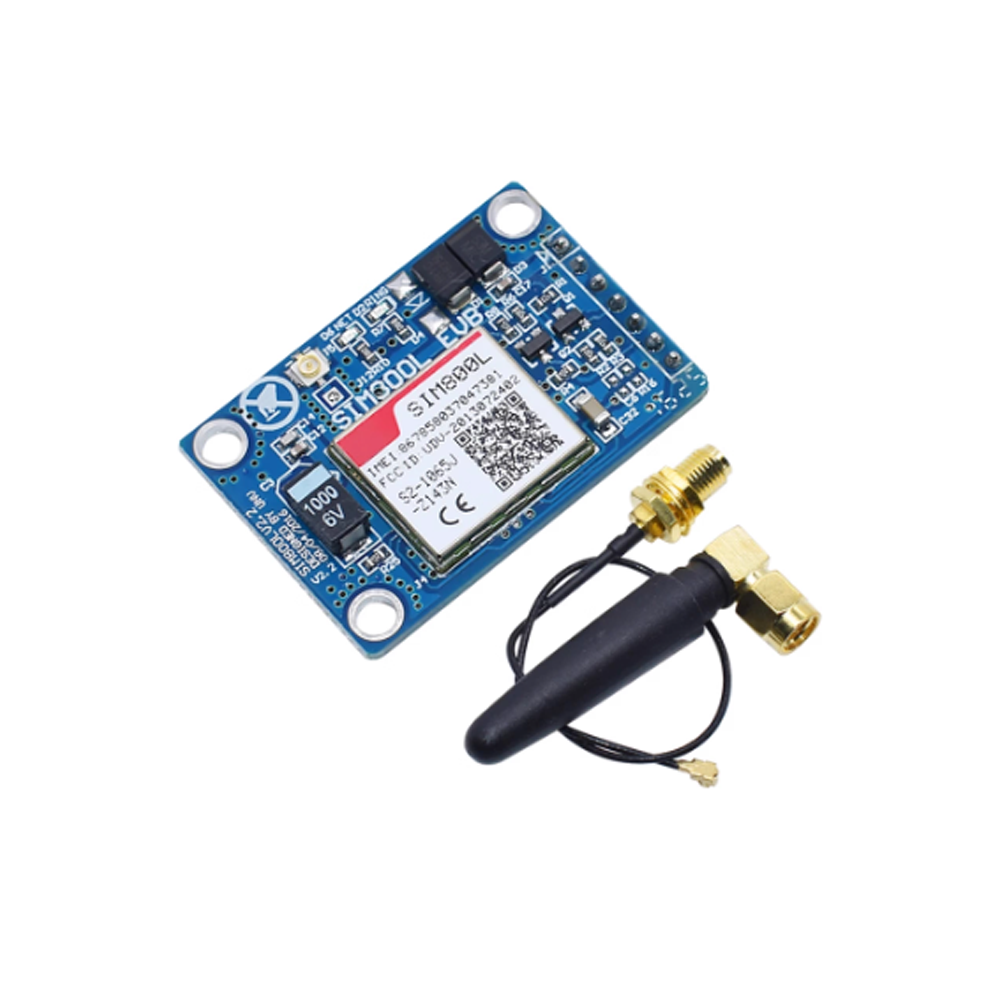
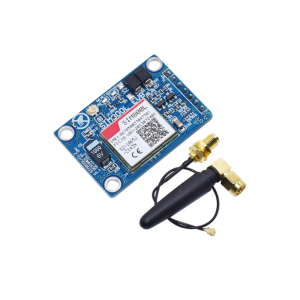
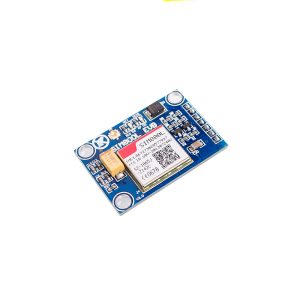
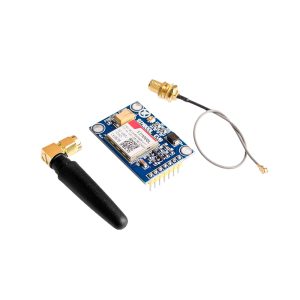
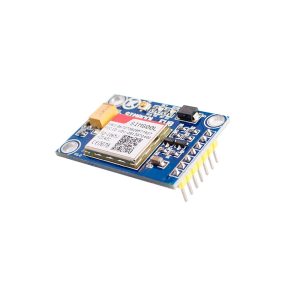
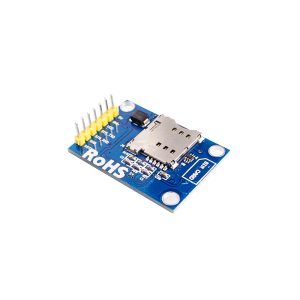
SIM800L V2.0 5V Wireless GSM GPRS MODULE Quad-Band W/ Antenna Cable Cap Available worldwide [Non Original]

SKU: FA2026-1
GSM Chipset

SIM800L (Non-Original)

Frequency Bands

Quad-Band 850/900/1800/1900 MHz

Power Supply

5V DC via onboard regulator

Communication Interface

UART (AT commands)

Data Support

GPRS, SMS, Voice

SIM Card Type

Standard SIM (spring-loaded socket)

Antenna Connector

IPEX/U.FL with included antenna

Board Dimensions

Compact form factor for embedded use

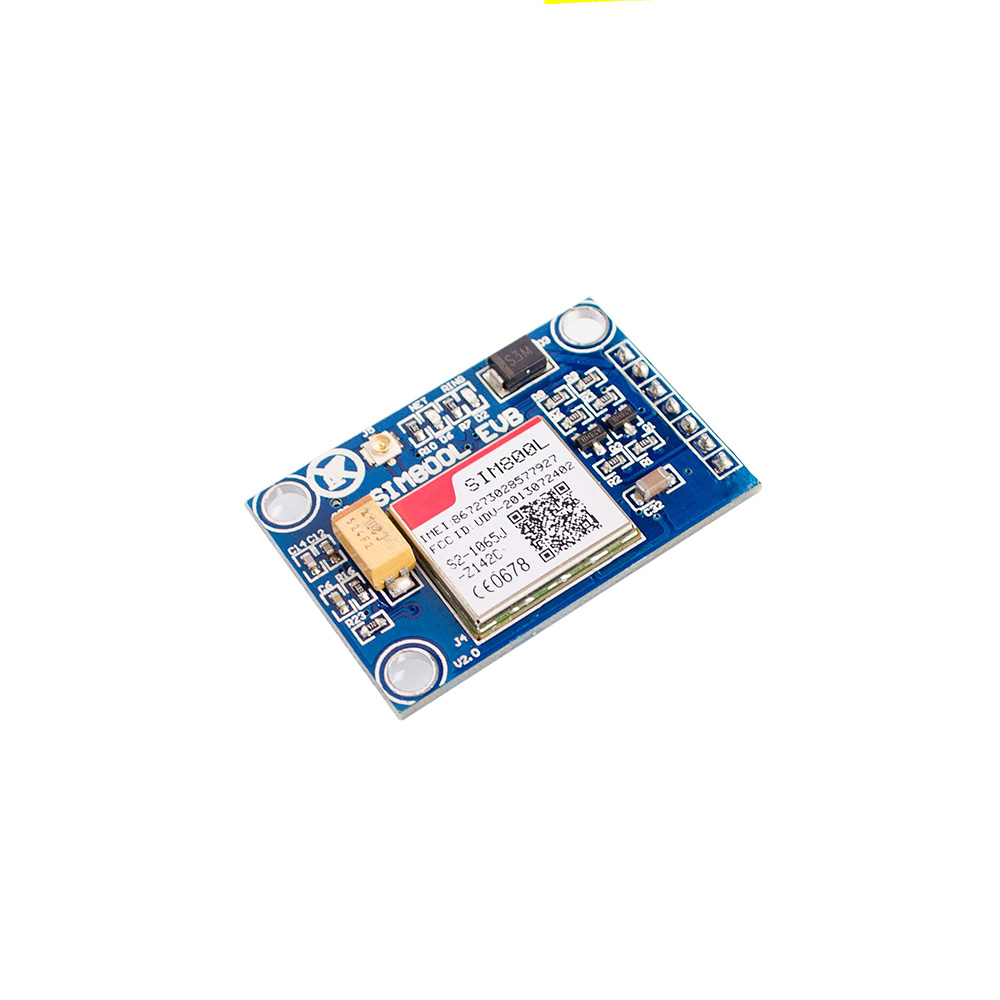
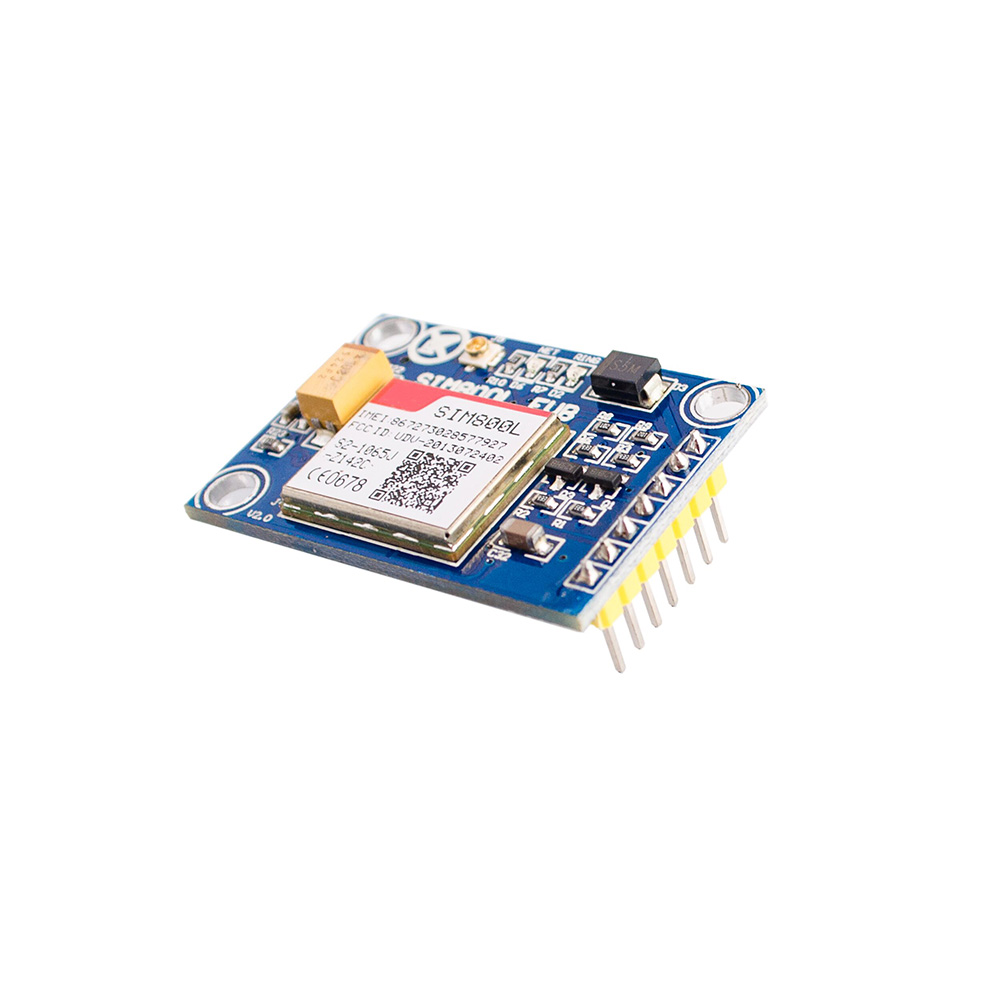
The SIM800L V2.0 5V Wireless GSM GPRS Module is a compact, versatile cellular communication module designed for IoT projects, remote monitoring systems, SMS-based control applications, and voice communication. This V2.0 version features an improved design that accepts a 5V power supply directly, eliminating the need for external level shifters and making it significantly easier to integrate with common microcontrollers like Arduino and ESP32.

At the heart of the module is the SIM800L GSM/GPRS chipset, which supports Quad-Band frequencies (850/900/1800/1900 MHz) , ensuring compatibility with GSM networks worldwide. The module supports GPRS data transmission for internet connectivity, SMS sending and receiving for text-based communication, and voice calls for audio applications.

The V2.0 board includes an onboard voltage regulator that accepts 5V DC input and provides the stable voltage required by the SIM800L chip. This is a significant improvement over the original SIM800L, which required a 3.7V–4.2V supply and often caused instability when powered from 5V sources. The board also includes onboard level shifting for the UART interface, allowing direct connection to 5V microcontrollers without additional components.

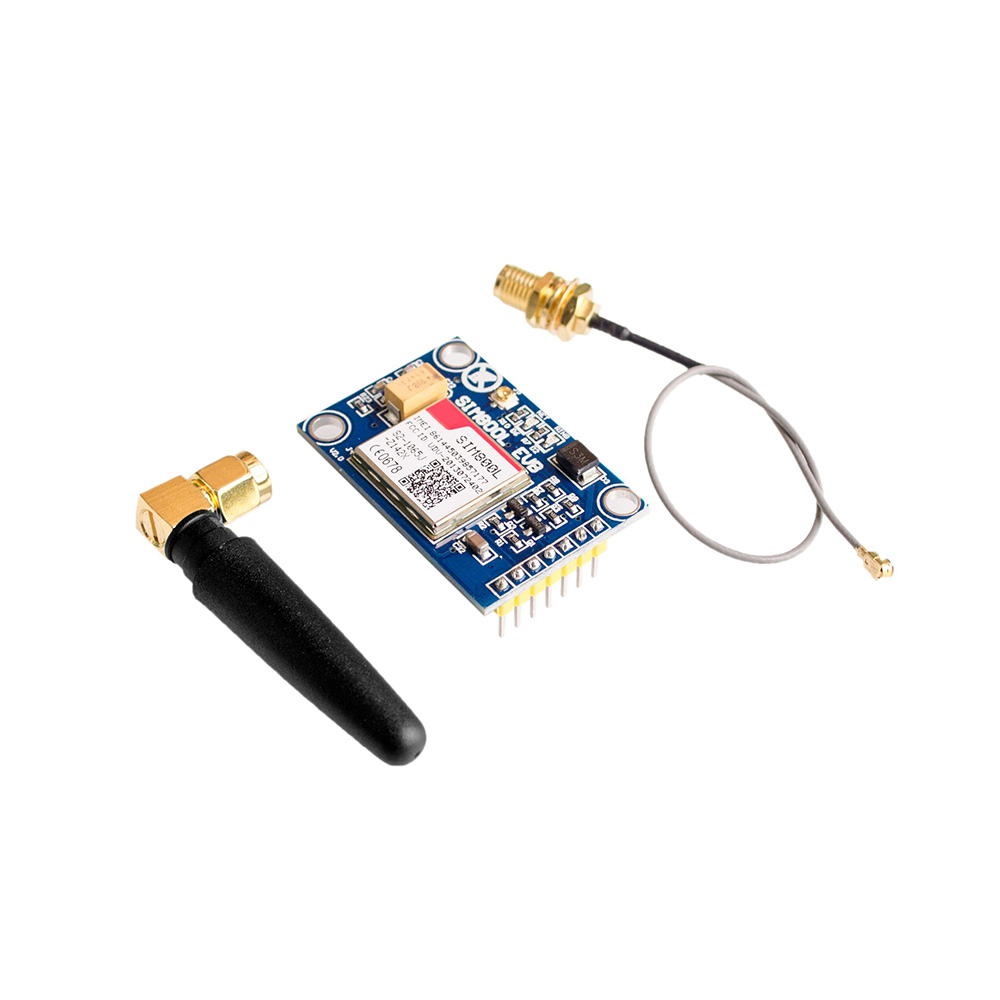
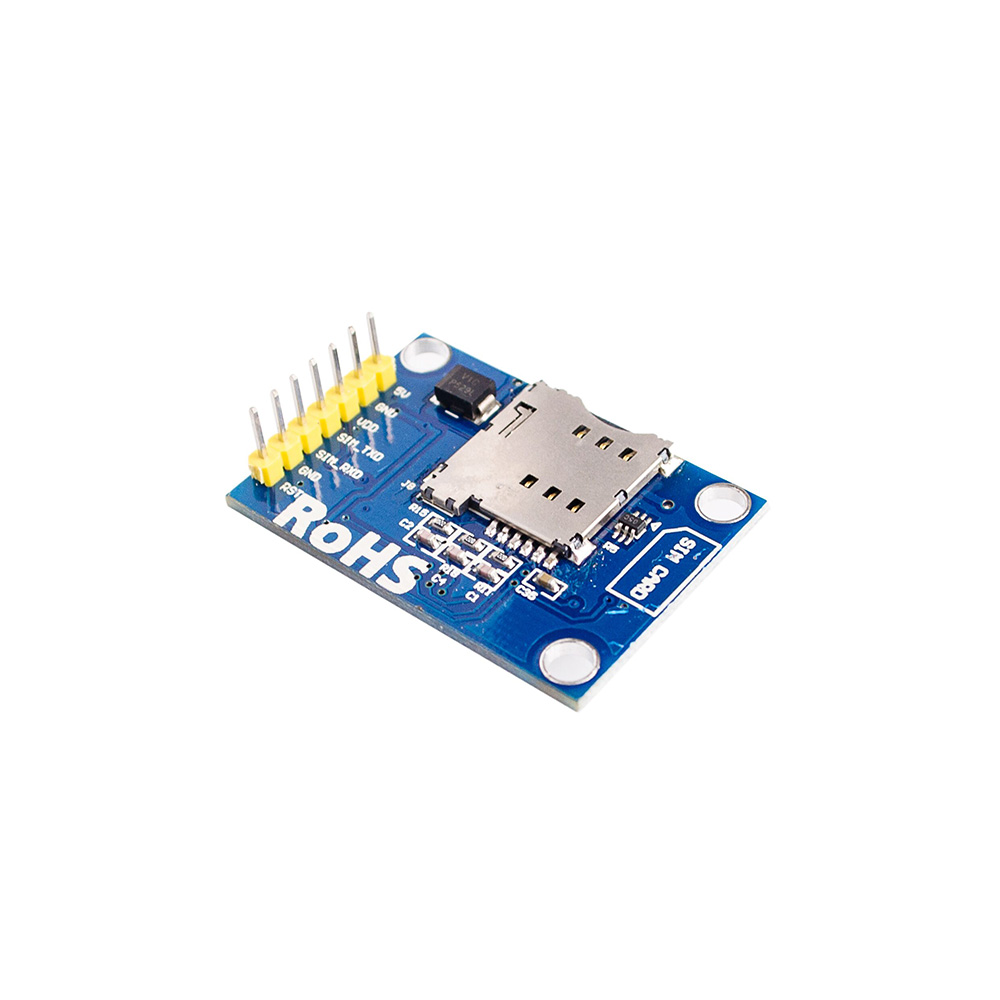
The module features a spring-loaded SIM card socket for easy insertion and removal of standard SIM cards. An onboard antenna connector (IPEX/U.FL) allows connection of the included GSM antenna for reliable signal reception. The antenna can be positioned for optimal signal strength, and the included antenna cable provides flexibility in mounting.

Note on the Non-Original designation: This module uses a Non-Original SIM800L chipset. It is designed to be functionally compatible with the original SIMCom module, offering similar AT command support and network compatibility at a more accessible price point. For applications where the genuine SIMCom module is not required, this variant provides a cost-effective alternative for volume production and budget-sensitive projects.

The module communicates via UART (serial) interface using standard AT commands, making it compatible with a wide range of microcontrollers and development platforms. Supported development environments include Arduino IDE and ESP-IDF, with extensive community libraries and examples available.

Whether you are building a remote SMS alert system, a GPS tracker, a wireless data logger, or an IoT gateway, the SIM800L V2.0 provides a practical, affordable foundation for cellular connectivity. It is suitable for individual makers, students, and businesses purchasing in bulk for product development or educational programs.


Features

  • Quad-Band GSM support — 850/900/1800/1900 MHz for worldwide network compatibility

  • 5V direct power input — Onboard voltage regulator eliminates need for external level shifters

  • GPRS data transmission — Internet connectivity for IoT and remote monitoring applications

  • SMS sending and receiving — Text-based communication for alerts and control commands

  • Voice call support — Audio communication capability

  • Onboard level shifting — Direct connection to 5V microcontrollers without additional components

  • Spring-loaded SIM socket — Easy insertion and removal of standard SIM cards

  • Included GSM antenna — IPEX/U.FL connector with antenna cable for flexible positioning

  • AT command interface — Standard UART communication with extensive library support

  • Compact form factor — Small board size suitable for space-constrained projects


Technical Specifications 

# Parameter Specification
1 GSM Chipset SIM800L (Non-Original)
2 Frequency Bands Quad-Band 850/900/1800/1900 MHz
3 Power Supply 5V DC via onboard regulator
4 Communication Interface UART (AT commands)
5 Data Support GPRS, SMS, Voice
6 SIM Card Type Standard SIM (spring-loaded socket)
7 Antenna Connector IPEX/U.FL with included antenna
8 Board Dimensions Compact form factor for embedded use

Usage

Getting Started

  1. Insert SIM card — Insert a standard GSM SIM card into the spring-loaded socket. Ensure the card is active and has sufficient balance or data plan.

  2. Connect power — Supply 5V DC to the module’s power input. Important: The SIM800L draws current peaks of up to 2A during network registration and transmission. Use a power supply capable of delivering at least 2A for stable operation.

  3. Connect the antenna — Attach the included GSM antenna to the IPEX/U.FL connector. Position the antenna for optimal signal strength.

  4. Connect to microcontroller — Wire the module’s UART pins (TX, RX, GND) to your microcontroller. The onboard level shifting allows direct connection to 5V logic.

  5. Test communication — Use AT commands via serial terminal to verify the module is responding. Common commands include AT (test), AT+CSQ (signal quality), and AT+CREG? (network registration).

  6. Send SMS or make calls — Use the appropriate AT commands to send SMS messages, make voice calls, or establish GPRS connections.

Important Notes

  • Power supply — The SIM800L requires a stable 5V supply capable of at least 2A peak current. Insufficient power is the most common cause of module failure or instability.

  • Antenna placement — Keep the antenna away from metal objects and orient it vertically for best signal reception.

  • Network registration — Allow 10–30 seconds after power-up for the module to register with the network.

Typical Applications

  • Remote SMS alert systems — Send notifications for sensor thresholds, alarms, or events

  • GPS tracking devices — Transmit location data over GPRS

  • Wireless data loggers — Upload sensor data to cloud platforms

  • IoT gateways — Connect remote devices to cellular networks

  • Voice call systems — Automated calling for alerts or communication

  • Educational projects — Learning cellular communication and AT commands

Notes for Business Buyers

  • Cost-effective cellular solution — Non-original chipset provides similar functionality at a lower price point.

  • 5V compatibility — Simplified integration with common microcontrollers reduces design complexity.

  • Suitable for bulk purchasing — Ideal for product development, IoT deployments, and educational programs.

Q: What is the SIM800L V2.0 module used for?

It is a GSM/GPRS cellular communication module for IoT projects, remote monitoring, SMS alerts, voice calls, and wireless data transmission.

Q: What is the difference between this module and the original SIM800L?

This module uses a Non-Original SIM800L chipset. It is designed to be functionally compatible with the original, offering similar AT command support and network compatibility at a lower cost. The V2.0 board also adds a 5V voltage regulator and level shifting for easier integration.

Q: What power supply does this module require?

The module operates from 5V DC via its onboard regulator. However, it requires a power supply capable of delivering up to 2A peak current during network registration and transmission.

Q: Why does my SIM800L module keep restarting or failing to connect?

The most common cause is insufficient power supply. The SIM800L draws current peaks of up to 2A. Use a dedicated power supply capable of at least 2A, and add a large capacitor (1000µF or more) near the module’s power pins if needed.

Q: What SIM card does this module use?

It uses a standard size SIM card (not Micro or Nano). The spring-loaded socket makes insertion and removal easy.

Q: How do I communicate with the module?

The module uses UART (serial) communication with standard AT commands. Connect TX, RX, and GND to your microcontroller and use a serial terminal or library to send commands.

Q: Can I make voice calls with this module?

Yes. The SIM800L supports voice call functionality. You can connect a speaker and microphone to the appropriate pins for audio communication.

Q: What frequencies does this module support?

It supports Quad-Band 850/900/1800/1900 MHz, ensuring compatibility with GSM networks worldwide.

Q: What is the difference between the V2.0 and the original SIM800L board?

The V2.0 board includes a 5V voltage regulator and onboard level shifting, allowing direct connection to 5V microcontrollers. The original board required a 3.7V–4.2V supply and often needed external level shifters.

Q: Can I purchase in bulk for a product development project?

Yes. This module is suitable for both individual users and business purchasing, including product development, IoT deployments, and educational programs. The non-original chipset makes it particularly cost-effective for volume production.