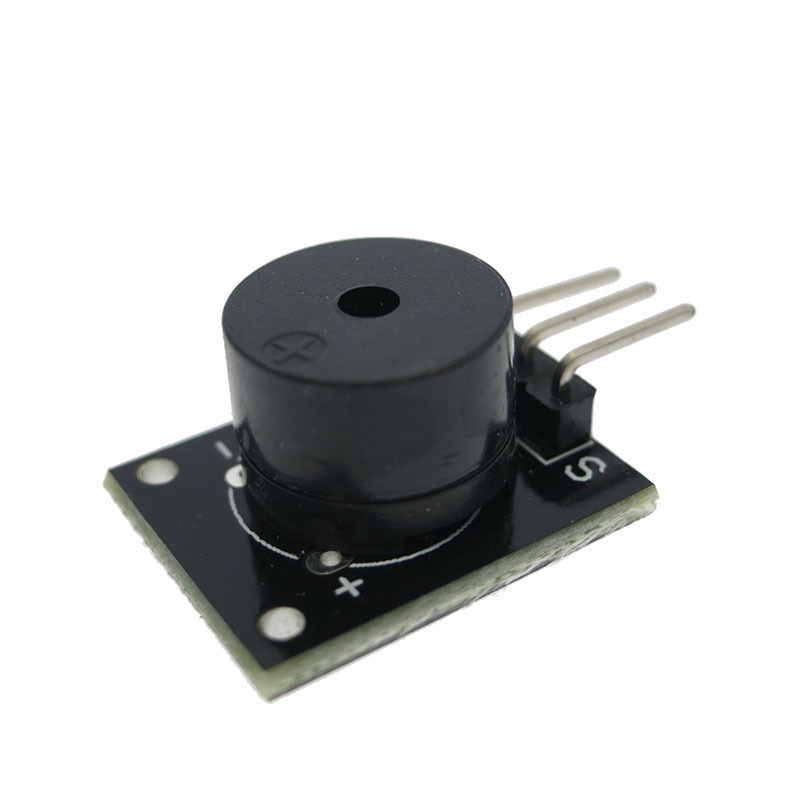
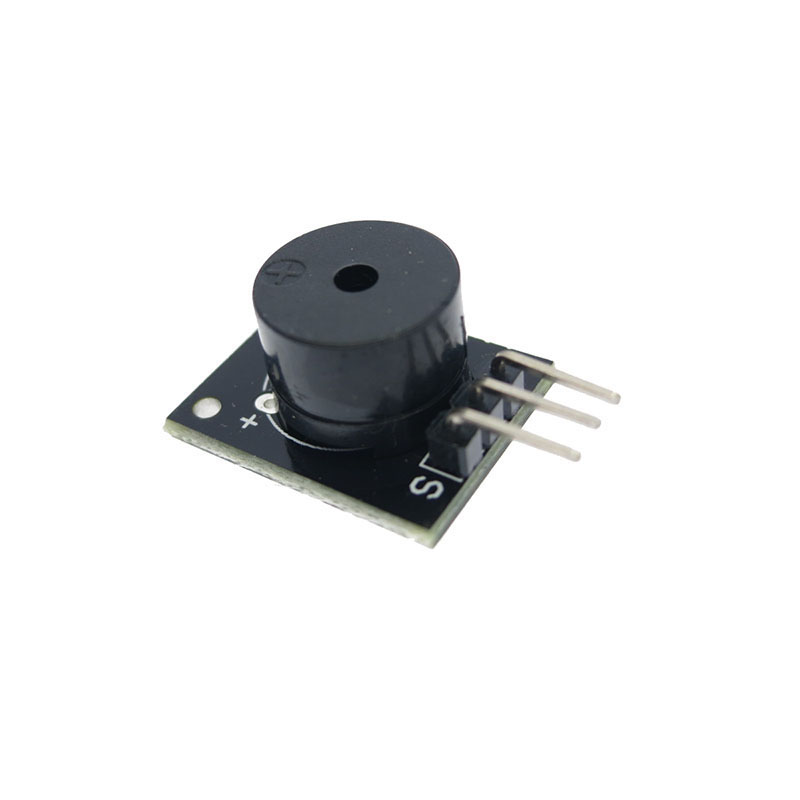
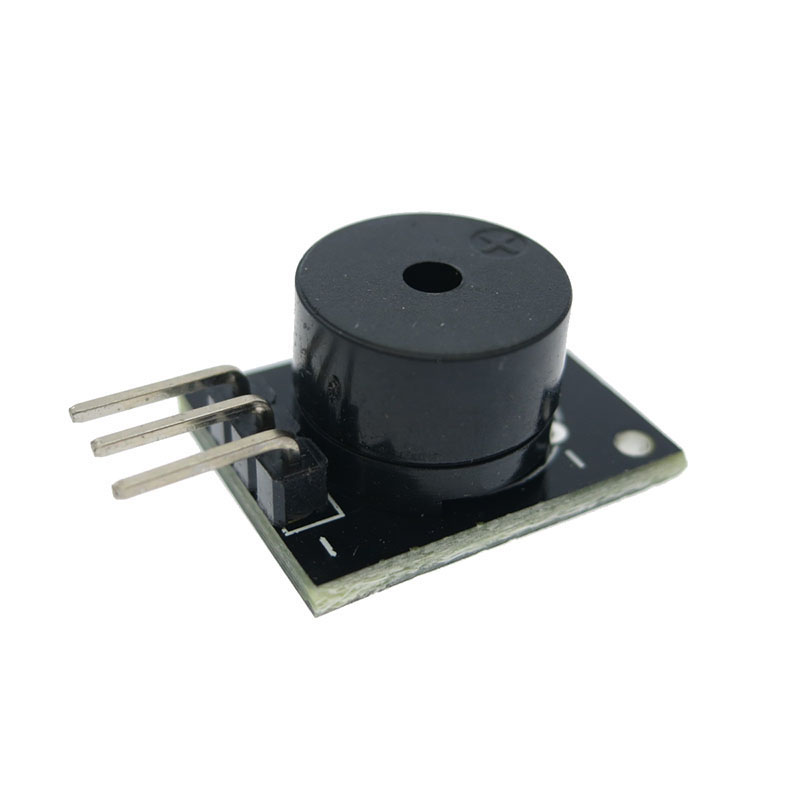
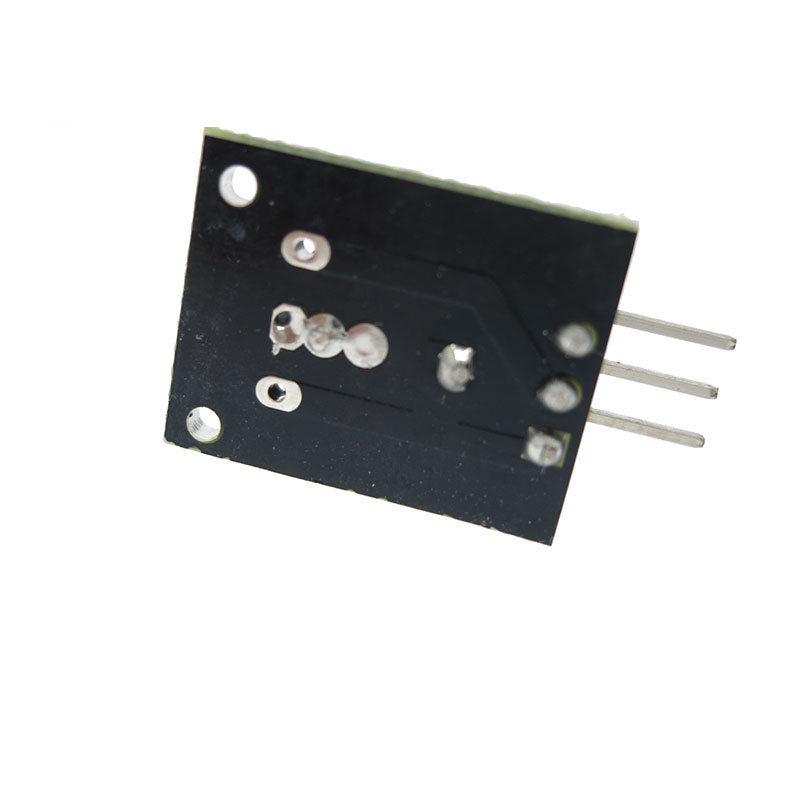
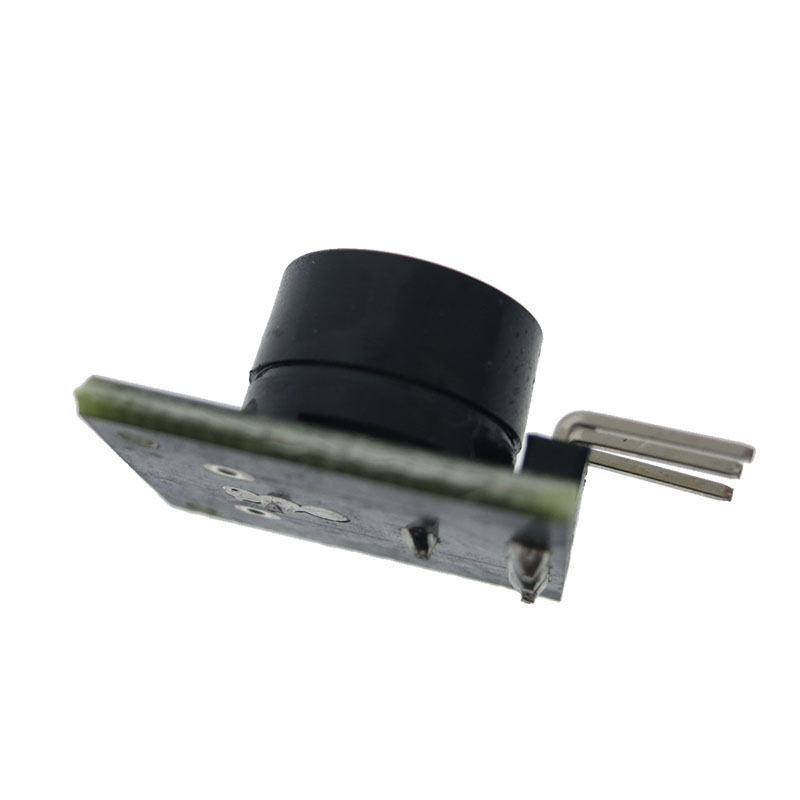
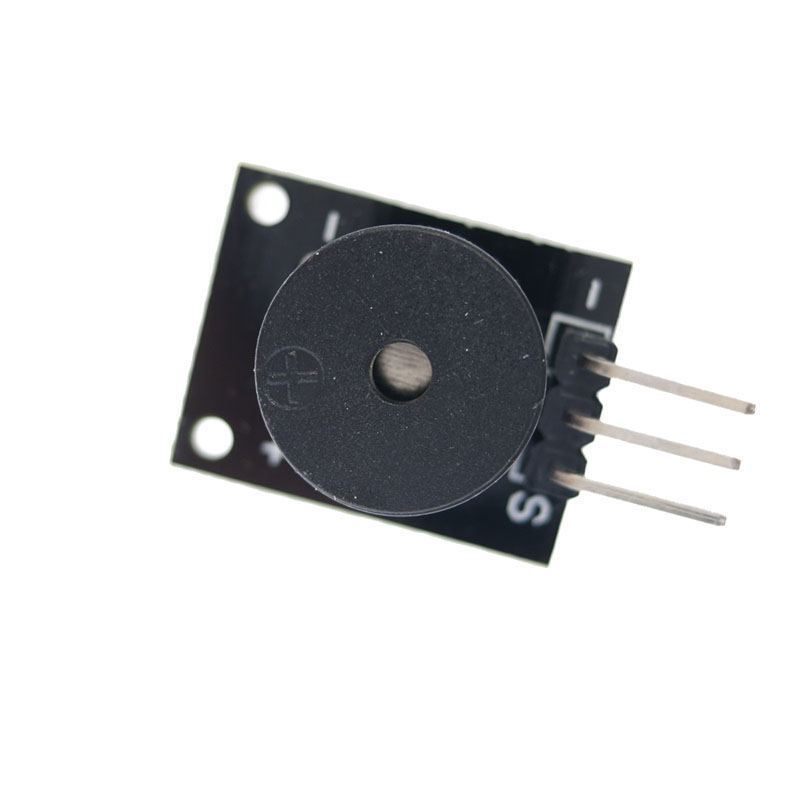
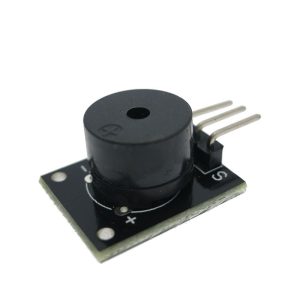
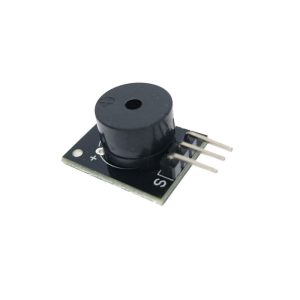
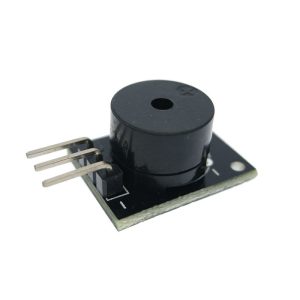
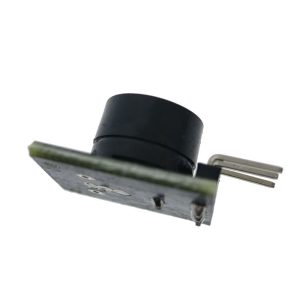
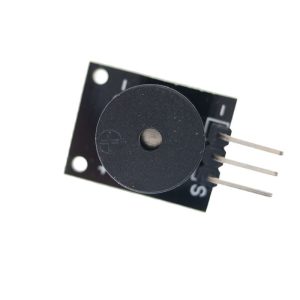
The KY-006 Passive Buzzer Module is a compact, versatile sound output board designed for Arduino, ESP32, Raspberry Pi, STM32, and other microcontroller projects. Unlike active buzzers that produce a fixed tone when powered, the KY-006 is a passive buzzer — it requires an external PWM (Pulse Width Modulation) signal to generate sound. This makes it far more flexible than active buzzers, allowing you to produce different frequencies, musical notes, melodies, and sound effects under software control.
At the heart of the module is a piezoelectric ceramic element (or in some variants, an electromagnetic coil) that vibrates when an AC signal is applied. By changing the frequency of the PWM signal from your microcontroller, you can produce tones across a wide audible range — typically from several hundred Hz to several kHz. This enables the KY-006 to play melodies, sirens, beeps, and complex sound sequences that are impossible with a simple active buzzer.
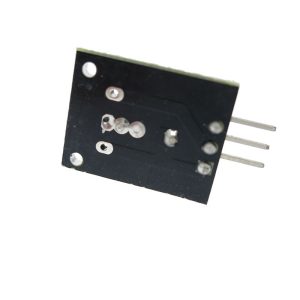
The module features a 3-pin interface (VCC, GND, I/O or S) for easy connection to microcontrollers. The signal pin accepts a PWM signal from your microcontroller, which drives the buzzer at the desired frequency. The compact form factor with mounting holes allows easy integration into alarm systems, musical projects, and interactive devices. The module includes onboard protection circuitry to prevent damage from excessive current.
The KY-006 operates from a 3.3V to 5V DC supply, making it compatible with both modern low-power microcontrollers and traditional 5V systems. The low power consumption makes it suitable for battery-powered sound projects. The frequency response covers the full audible range, allowing you to generate any tone your application requires.
The KY-006 is widely used in alarm systems, musical projects, doorbells with custom tones, game controllers, interactive toys, notification devices, security systems, and educational STEM projects. It is also popular in DIY electronics and maker projects where variable tones and melodies are required.
Important Note: The KY-006 is a passive buzzer — it does not produce sound when connected directly to a DC voltage. You must provide a PWM signal (or an AC signal) to generate sound. Use the Arduino tone() function or a PWM output to drive the buzzer. For simple fixed-tone applications, use an active buzzer (such as the KY-012) instead. The module is not waterproof and should be kept dry. Avoid driving the buzzer at excessive volume for extended periods, as this may cause the piezo element to overheat or degrade over time.
Whether you are building a musical instrument, a custom alarm, or an interactive sound project, the KY-006 Passive Buzzer Module provides a flexible, affordable solution for PWM-controlled sound generation. It is suitable for individual makers, students, and businesses purchasing in bulk for product development or educational programs.
Features
-
Passive buzzer with external PWM drive — Flexible tone generation from software control
-
Wide frequency range — Produces tones from several hundred Hz to several kHz
-
Melody and sound effect capable — Play music, sirens, and complex sound sequences
-
3-pin interface — VCC, GND, I/O for easy connection
-
Wide voltage range — 3.3V to 5V DC, compatible with Arduino, ESP32, Raspberry Pi
-
Onboard protection circuitry — Prevents damage from excessive current
-
Low power consumption — Suitable for battery-powered applications
-
Compact form factor — With mounting holes for easy integration
-
Wide application range — Alarms, musical projects, doorbells, game controllers, toys
-
Cost-effective — Affordable solution for variable tone generation in volume production
Technical Specifications
| # | Parameter | Specification |
|---|---|---|
| 1 | Module Model | KY-006 |
| 2 | Buzzer Type | Passive piezoelectric buzzer (external drive) |
| 3 | Operating Voltage | 3.3V – 5V DC |
| 4 | Drive Method | PWM signal (external) |
| 5 | Frequency Range | Approximately 300Hz – 5kHz (audible range) |
| 6 | Control Method | tone() function or PWM output |
| 7 | Pin Count | 3 pins (VCC, GND, I/O) |
| 8 | Module Dimensions | Compact PCB with mounting holes |