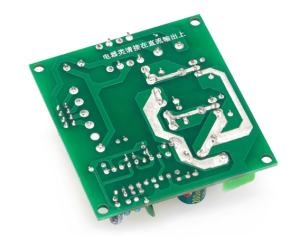
150W Power Inverter Module – DC 12V to AC 220V Boost Transformer Step-Up Converter Board (DC/AC)

SKU: FA2185-3
Power Rating

150W

Input Voltage

DC 12V

Output Voltage

AC 220V

Output Waveform

High-frequency square wave / modified sine wave (variant dependent)

Transformer

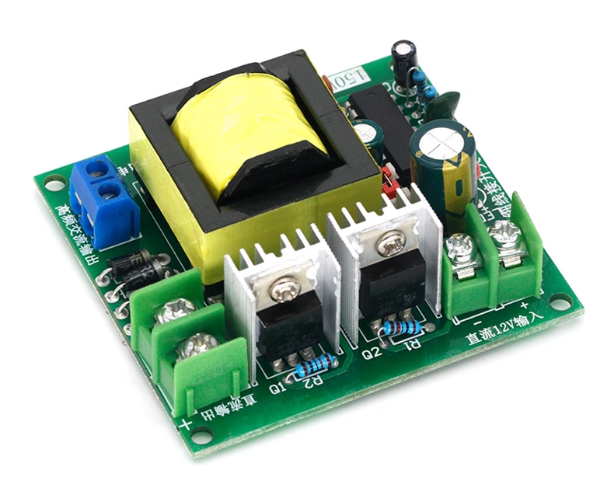
Onboard step-up transformer

Cooling

Natural convection (heat sink recommended for sustained use)

Terminal Type

Screw terminals

Board Dimensions

Compact PCB with mounting holes

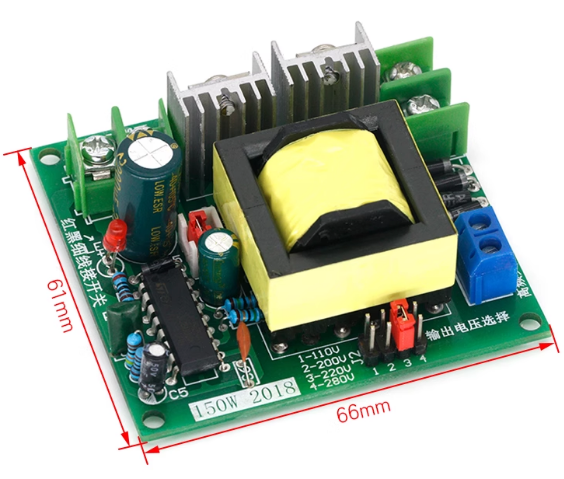
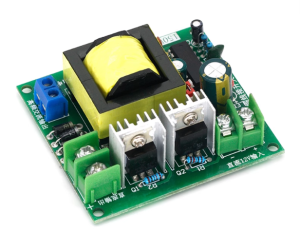
The 150W Power Inverter Module is a compact, high-frequency DC-to-AC boost converter designed to transform DC 12V input into AC 220V output, making it suitable for powering small electronic devices, lighting, and chargers from a 12V battery source. It serves as a practical solution for DIY electronics, portable power applications, and emergency backup systems.

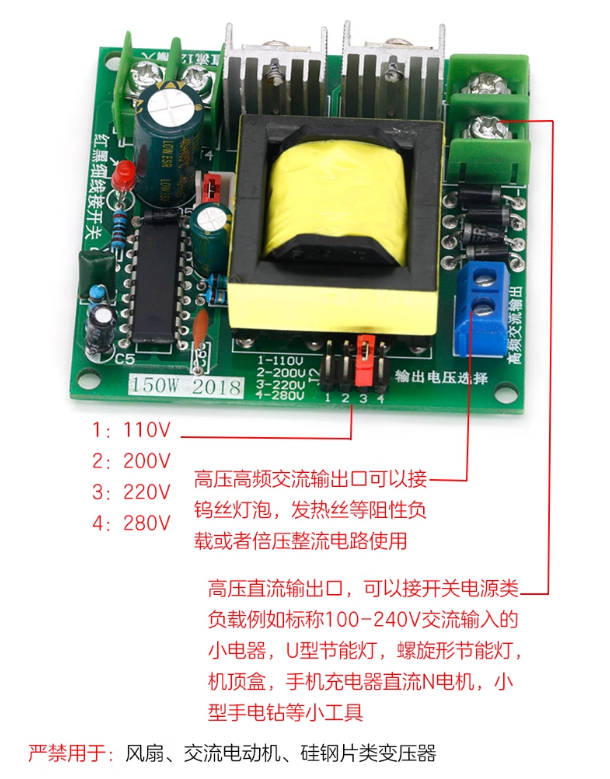
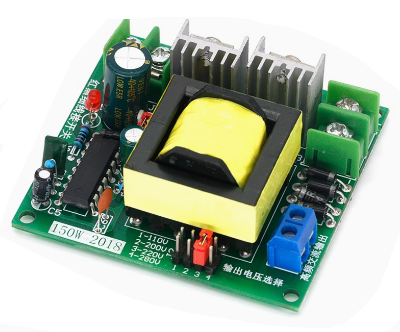
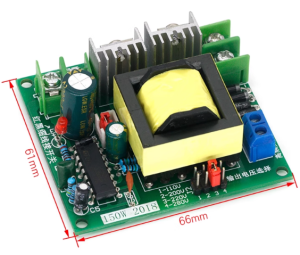
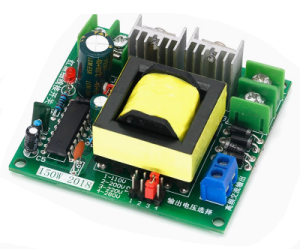
At the heart of the module is a high-frequency inverter circuit that steps up the 12V DC input to approximately 220V AC output. The module includes an onboard step-up transformer that performs the voltage conversion, making it a complete, self-contained solution for DC-to-AC power conversion. The compact PCB design and integrated transformer make it easy to integrate into custom enclosures and portable power stations.

The module is designed for battery-powered applications where a reliable AC source is needed, such as camping, emergency backup, and portable power systems. The DC 12V input is compatible with common battery configurations, including single 12V batteries, car batteries, and 12V power supplies.

The 220V AC output is suitable for powering low-power devices such as:

  • LED lighting

  • Phone and tablet chargers

  • Small power adapters

  • Small electronic equipment

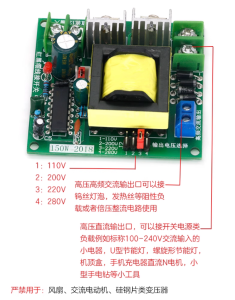
Important Technical Note: This inverter module produces a high-frequency square wave or modified sine wave output, depending on the specific design. It is not suitable for all devices — particularly those with sensitive electronics or inductive loads such as motors and compressors. Always check the compatibility of your device before connecting. For devices with motors or sensitive electronics, a pure sine wave inverter is recommended.

Heat management is important for reliable operation. For sustained high-power output, ensure adequate ventilation and consider adding a heat sink to the switching components. The module has no built-in protection circuits on many variants, so careful operation is required to avoid overload or short-circuit conditions.

Whether you are building a portable power station, setting up an emergency backup system, or powering equipment from a 12V battery, the 150W Power Inverter Module provides a practical, cost-effective solution. It is suitable for individual makers, students, and businesses purchasing in bulk for product development or educational programs.


Features

  • DC 12V to AC 220V conversion — Transforms battery power to usable AC voltage

  • 150W power rating — Suitable for small electronic devices and lighting

  • Onboard step-up transformer — Complete, self-contained conversion solution

  • High-frequency inverter design — Compact and efficient power conversion

  • Battery compatible — Designed for 12V battery input

  • Compact PCB design — Easy integration into enclosures and power stations

  • Screw terminals — Secure input and output connections

  • Wide application range — Camping, emergency power, portable stations, DIY projects


Technical Specifications 

# Parameter Specification
1 Power Rating 150W
2 Input Voltage DC 12V
3 Output Voltage AC 220V
4 Output Waveform High-frequency square wave / modified sine wave (variant dependent)
5 Transformer Onboard step-up transformer
6 Cooling Natural convection (heat sink recommended for sustained use)
7 Terminal Type Screw terminals
8 Board Dimensions Compact PCB with mounting holes

Usage

Getting Started

  1. Connect DC input — Connect a 12V DC power source (battery or regulated supply) to the input terminals. Observe correct polarity — reverse connection will damage the board. Ensure the power source and wiring can handle the required current.

  2. Connect the load — Connect your AC device to the output terminals. Verify that the device’s power requirement does not exceed 150W.

  3. Power on — Apply DC input power. The inverter will begin converting power to AC.

  4. Monitor operation — Check the output voltage and the temperature of the board during operation.

  5. Observe temperature — For sustained operation, ensure adequate ventilation or add a heat sink.

Important Safety Notes

  • Verify device compatibility — Not all devices work with square wave or modified sine wave output. Check your device’s requirements before connecting.

  • Do not exceed 150W — Overloading the module can cause overheating and damage.

  • Avoid inductive loads — Motors, compressors, and similar devices may not work properly.

  • Proper ventilation — Ensure the board has adequate airflow during operation.

  • No built-in protection — Many variants lack overload and short-circuit protection. Operate carefully.

Typical Applications

  • Portable power stations — Build custom AC power sources from 12V batteries

  • Emergency backup — Power small devices during outages

  • Camping and outdoor activities — AC power from 12V battery banks

  • DIY electronics projects — Inverter stage for custom power systems

  • Educational projects — Teaching DC-AC conversion principles

  • Field equipment — Remote power for small instruments and devices

Notes for Business Buyers

  • Cost-effective — Low unit cost makes it practical for volume production and educational kits.

  • Compact form factor — Easy integration into portable power stations and custom enclosures.

  • Onboard transformer — Complete solution reduces component count and design complexity.

  • Suitable for bulk purchasing — Ideal for product development, educational programs, and DIY kit suppliers.

Q: What is the 150W Power Inverter Module used for?

It is a DC-to-AC converter that transforms 12V battery power into AC 220V output for powering small electronic devices, lighting, and chargers in portable and backup power applications.

Q: What is the input and output voltage?

Input: DC 12V. Output: AC 220V.

Q: What is the power rating?

The module is rated for 150W output power.

Q: What type of output waveform does it produce?

It produces a high-frequency square wave or modified sine wave output, depending on the specific design. It is not a pure sine wave inverter.

Q: Can I use this inverter with a fan or motor?

Not recommended. Inductive loads such as motors and compressors may not work properly with square wave output.

Q: Does the module have overload protection?

Many variants have no built-in protection circuits. Operate carefully to avoid overload or short-circuit conditions.

Q: How do I connect the input power?

Connect a 12V DC power source to the input screw terminals. Observe correct polarity — reverse connection will damage the board.

Q: Does the inverter get hot during operation?

Yes, especially at higher loads. Ensure adequate ventilation and consider adding a heat sink for sustained operation.

Q: Can I use this inverter to charge a laptop?

Yes, if the laptop charger’s power requirement is within the 150W rating. However, some sensitive electronics may not work well with square wave output.

Q: Can I purchase in bulk for a product development project?

Yes. This inverter module is suitable for both individual users and business purchasing, including DIY kit suppliers, educational institutions, and product development teams.