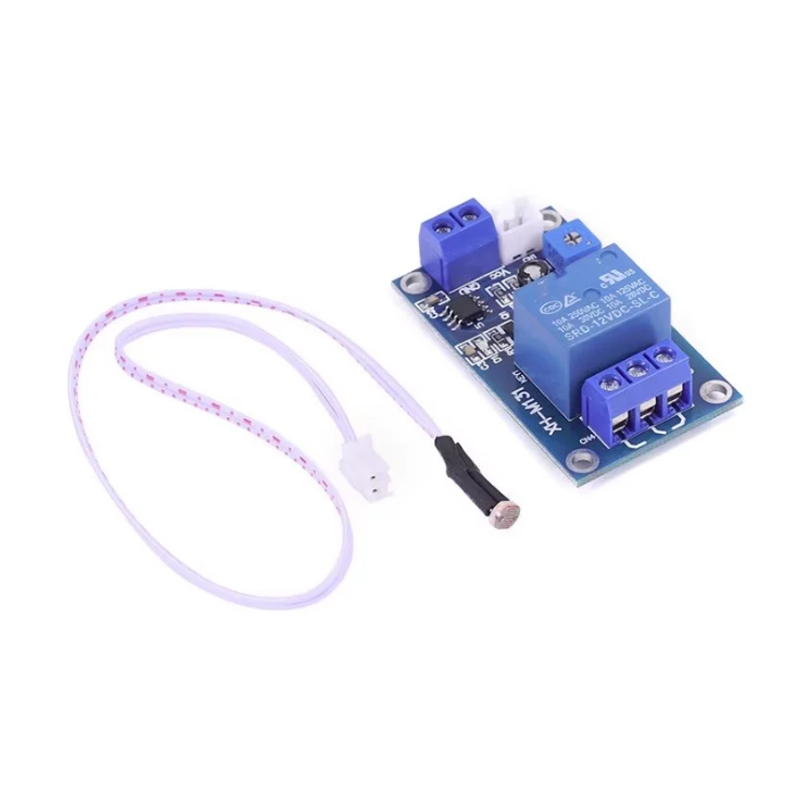
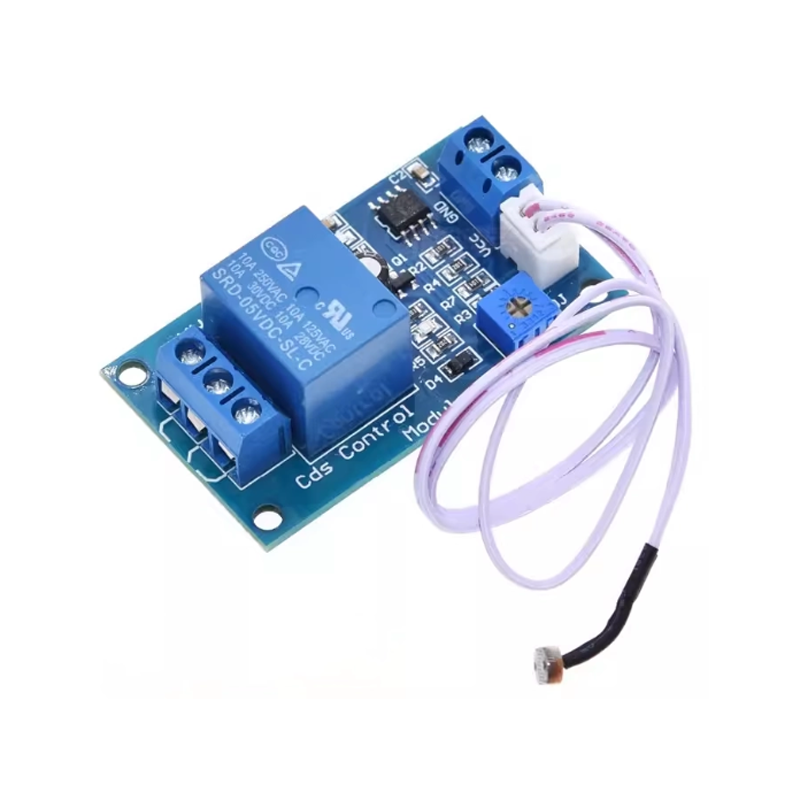
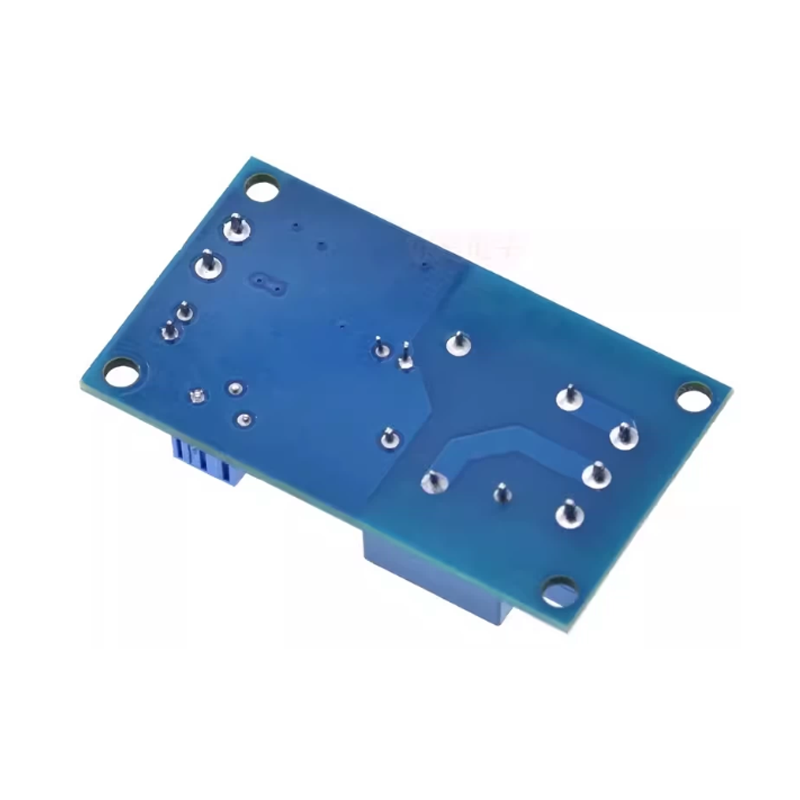
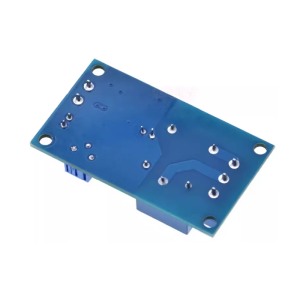
12V Light Controlled Relay Module (XH-M131) – Automatic Brightness Switch

SKU: FA2214-1
Module Model

XH-M131

Sensor Type

Photoresistor (LDR)

Operating Voltage

12V DC

Relay Rating

10A at 250V AC / 10A at 30V DC

Sensitivity Adjustment

Onboard potentiometer

Indication

Power LED + relay status LED

Terminal Type

Screw terminals

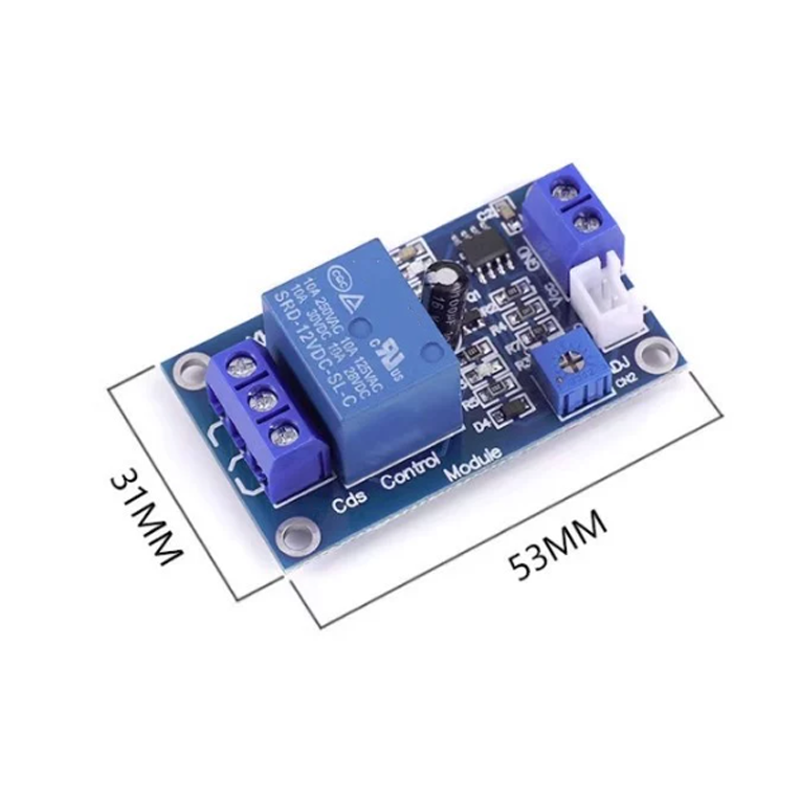
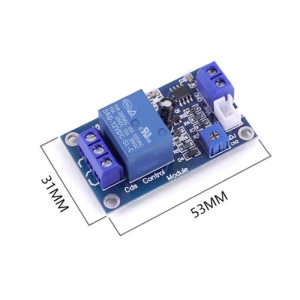
Module Dimensions

Compact PCB with mounting holes

The 12V Light Controlled Relay Module (XH-M131) is a compact, easy-to-use automatic brightness switch designed for a wide range of lighting and automation applications. It combines a photoresistor (LDR) light sensor with a high-current relay output and an adjustable sensitivity potentiometer, allowing you to automatically switch lights, lamps, and other devices on at dusk and off at dawn — or vice versa. It is an ideal solution for street lighting, garden lights, security lighting, and DIY automation projects.

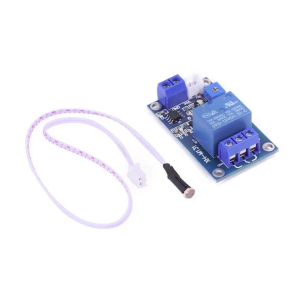
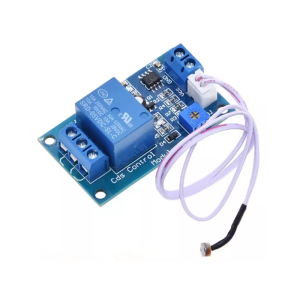
At the heart of the module is a photoresistor (light-dependent resistor) that changes its resistance based on ambient light levels. The onboard comparator circuit monitors this resistance and compares it to a user-adjustable threshold set by the onboard potentiometer. When the ambient light level crosses the threshold, the relay activates or deactivates, providing automatic light-based switching.

The module operates from a 12V DC power supply, making it compatible with automotive systems, industrial control panels, and standard 12V power adapters. The high-current relay is rated for 10A at 250V AC or 30V DC, capable of directly switching lamps, LED strips, incandescent bulbs, and other lighting loads.

The adjustable sensitivity potentiometer allows you to set the light threshold at which the relay activates. Turn the potentiometer clockwise to increase sensitivity (activate in brighter conditions) or counter-clockwise to decrease sensitivity (activate only in darker conditions). This makes the module adaptable to different environments and lighting requirements.

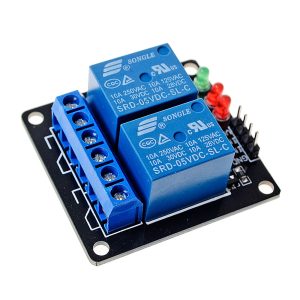
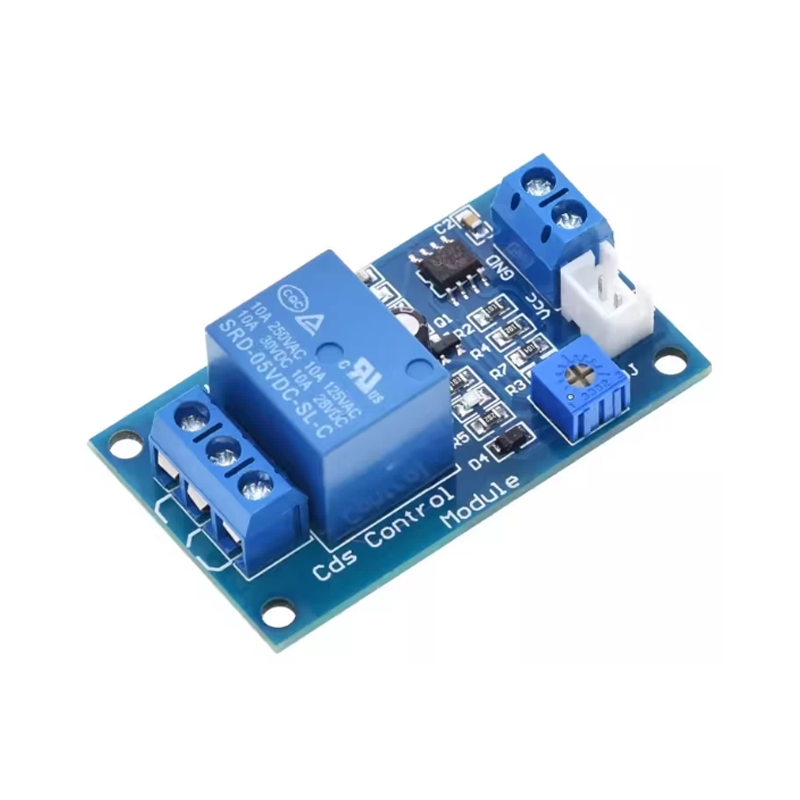
The module features screw terminals for secure connection of power, sensor, and load wiring. LED indicators provide visual feedback for power status and relay activation. The compact PCB design with mounting holes allows easy integration into light fixtures, control panels, and equipment enclosures.

The module is widely used in automatic street lighting, garden and pathway lights, security lighting, night lights, solar garden lights, advertising signage, automotive lighting, and DIY automation projects. It is also popular in educational projects for teaching light sensing, comparator circuits, and relay control.

Important Note: The relay is rated for 10A at 250V AC or 30V DC. For inductive loads such as motors, keep the load current below 60–70% of the rated value. Always ensure proper isolation and safety precautions when working with mains voltage. The sensitivity potentiometer should be adjusted based on your specific lighting conditions.

Whether you are building an automatic garden light, a security lighting system, or a DIY light-activated switch, the 12V Light Controlled Relay Module (XH-M131) provides a reliable, adjustable solution. It is suitable for individual makers, students, and businesses purchasing in bulk for product development or educational programs.

Features

  • Photoresistor light sensor — Detects ambient light levels

  • High-current relay output — 10A at 250V AC / 30V DC switching capacity

  • Adjustable sensitivity — Onboard potentiometer sets light threshold

  • Automatic light control — Switches loads on/off based on ambient light

  • 12V DC operation — Compatible with automotive and industrial systems

  • LED indicators — Power status and relay activation feedback

  • Screw terminals — Secure connections for power and load wiring

  • Compact PCB design — With mounting holes for easy installation

  • Wide application range — Street lighting, garden lights, security lighting, automotive

  • Simple operation — No programming required; adjust and use

Technical Specifications 

# Parameter Specification
1 Module Model XH-M131
2 Sensor Type Photoresistor (LDR)
3 Operating Voltage 12V DC
4 Relay Rating 10A at 250V AC / 10A at 30V DC
5 Sensitivity Adjustment Onboard potentiometer
6 Indication Power LED + relay status LED
7 Terminal Type Screw terminals
8 Module Dimensions Compact PCB with mounting holes

Usage

Getting Started

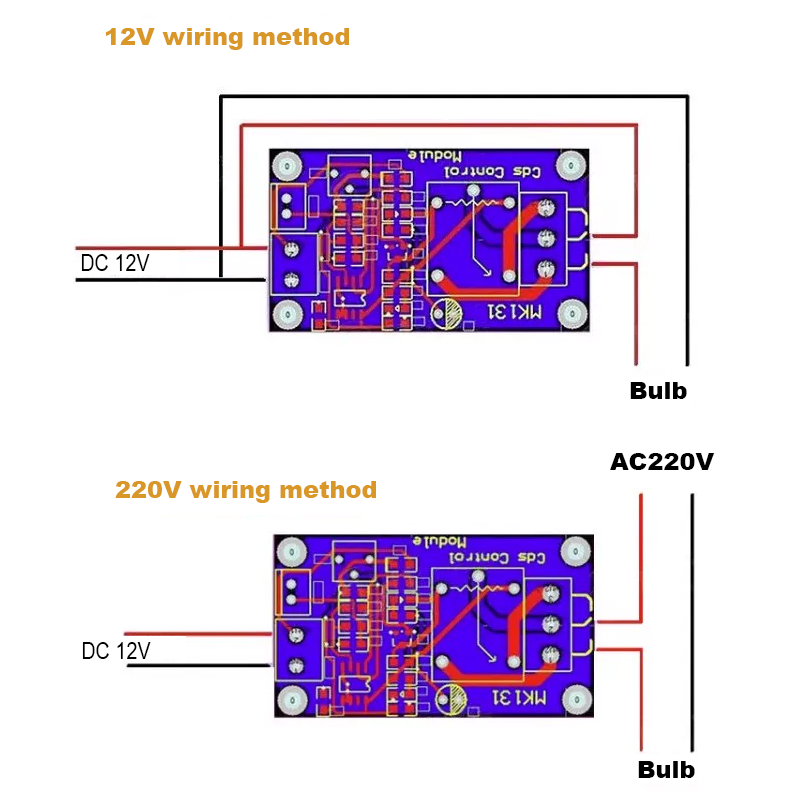
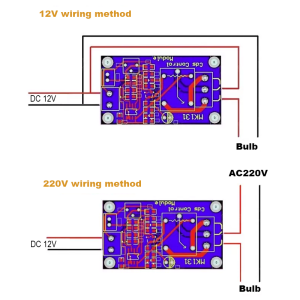
  1. Connect power — Supply 12V DC to the VCC pin and GND to ground. The power LED should light up.

  2. Connect the load — Wire your lighting load to the relay’s NO/NC/COM terminals. Use the screw terminals for secure connections.

  3. Adjust sensitivity — Using a small screwdriver, turn the onboard potentiometer to set the light threshold. Turn clockwise to activate in brighter conditions, or counter-clockwise to activate only in darker conditions.

  4. Test the circuit — Cover the photoresistor to simulate darkness. The relay should activate (or deactivate, depending on wiring) and the status LED should change state.

  5. Fine-tune — Adjust the potentiometer until the desired switching behavior is achieved.

Trigger Logic

Light Condition Photoresistor State Relay State (Typical)
Bright Low resistance Deactivated (OFF)
Dark High resistance Activated (ON)

(Note: Relay logic may vary by wiring and application — test and adjust as needed.)

Typical Applications

  • Automatic street lighting — Turn street lamps on at dusk, off at dawn

  • Garden and pathway lights — Automatic evening illumination

  • Security lighting — Activate lights when darkness falls

  • Night lights — Automatic bedroom or hallway lighting

  • Solar garden lights — Light-activated switching for solar systems

  • Advertising signage — Automatic sign illumination

  • Automotive lighting — Automatic headlight or interior light control

  • DIY automation projects — Light-activated control for custom systems

Notes for Business Buyers

  • No programming required — Simple potentiometer adjustment for immediate use.

  • High-current relay — 10A capacity covers most lighting loads.

  • 12V compatibility — Ideal for automotive and industrial applications.

  • Suitable for bulk purchasing — Ideal for lighting manufacturers, automation integrators, and educational institutions.

Q: What is the 12V Light Controlled Relay Module (XH-M131) used for?

It is an automatic light control switch that uses a photoresistor to detect ambient light and switch a relay on or off, used for street lighting, garden lights, security lighting, automotive lighting, and DIY automation.

Q: What is the relay rating?

The relay is rated for 10A at 250V AC or 10A at 30V DC.

Q: What voltage does the module require?

The module operates from 12V DC, making it compatible with automotive and industrial systems.

Q: How do I adjust the light sensitivity?

Use the onboard potentiometer to set the light threshold. Turn clockwise to activate in brighter conditions, or counter-clockwise to activate only in darker conditions.

Q: Does the module require programming?

No. The module works automatically based on the light sensor and potentiometer setting. No programming is required.

Q: What are the NO, NC, and COM terminals?

NO (Normally Open) : contacts are open by default and close when the relay activates. NC (Normally Closed) : contacts are closed by default and open when the relay activates. COM (Common) : the common terminal for both NO and NC.

Q: Does the module have LED indicators?

Yes. There is a power LED and a relay status LED that indicates whether the relay is activated.

Q: Can I use this module for AC loads?

Yes. The relay contacts can switch loads up to 250V AC / 10A. Ensure proper safety precautions when working with mains voltage.

Q: What is the purpose of the photoresistor?

The photoresistor (LDR) detects ambient light levels. Its resistance changes based on light intensity, which the module uses to determine when to activate the relay.

Q: Can I purchase in bulk for a product development project?

Yes. This module is suitable for both individual users and business purchasing, including lighting manufacturers, automation integrators, and educational institutions.