Multi-Purpose Water Level Sensor

SKU: FA3064
Sensor Type

Resistive conductive trace

Operating Voltage

3.3V – 5V DC

Output Type

Analog (AO) + Digital (DO, variant dependent)

Sensing Area

Exposed PCB traces (not fully submersible)

Analog Output Range

0 – VCC (varies with water level)

Digital Threshold

Adjustable via onboard potentiometer

Mounting

PCB with mounting holes

Application

Water level detection, leak alarm, plant monitoring

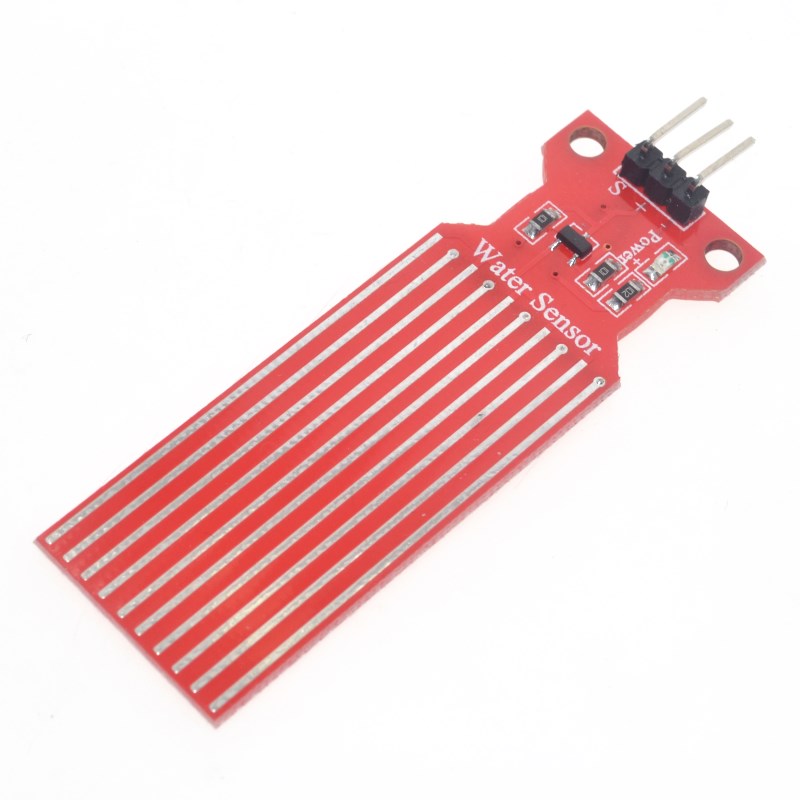
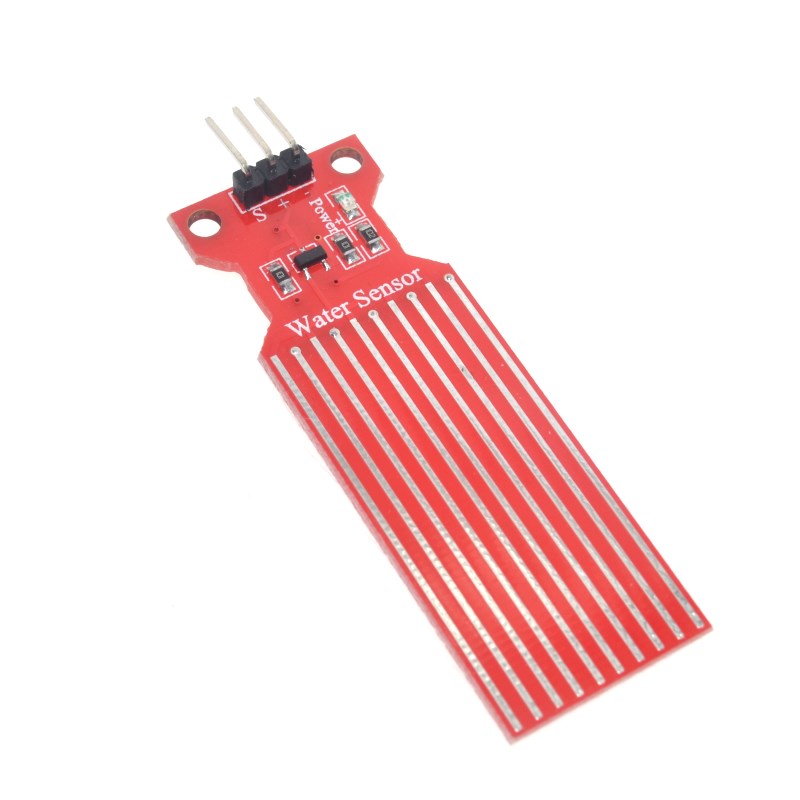
The Multi-Purpose Water Level Sensor is a compact, low-cost liquid detection module designed for monitoring water levels, detecting leaks, and triggering alarms in domestic, agricultural, and industrial applications. It uses a resistive sensing principle with a series of exposed conductive traces on a PCB. When water bridges these traces, the conductivity changes, producing an analog voltage that corresponds to the immersion depth.

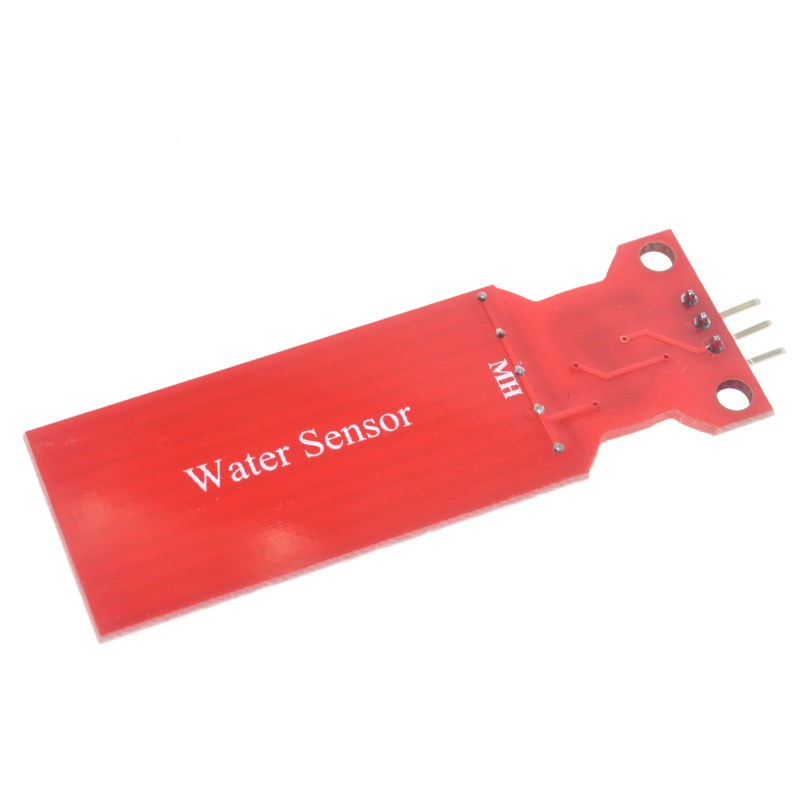
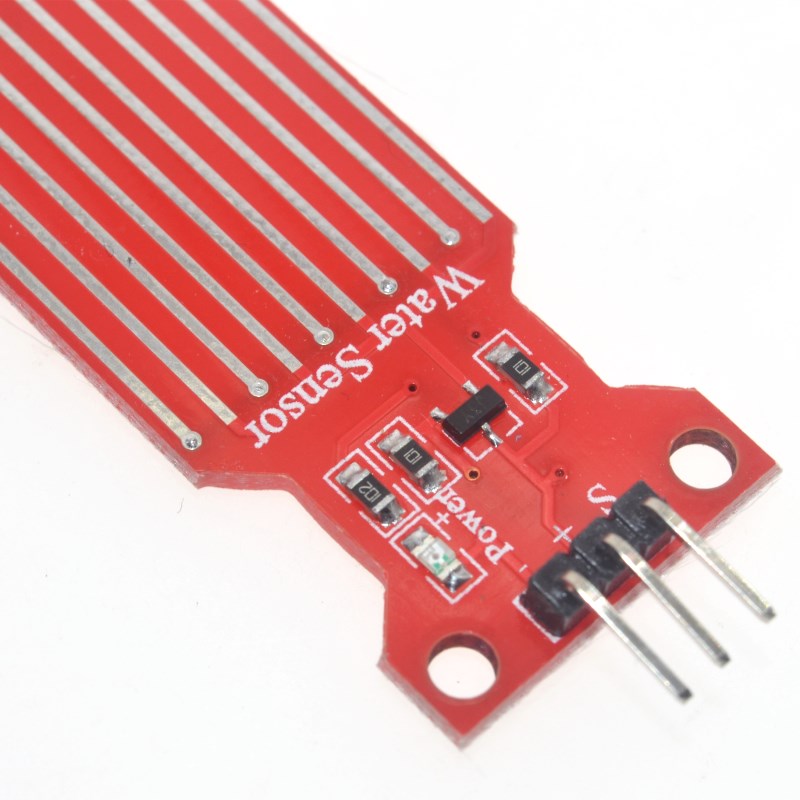
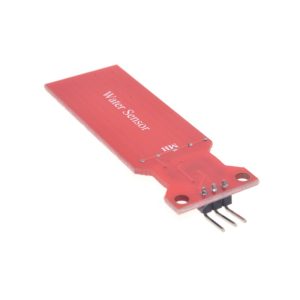
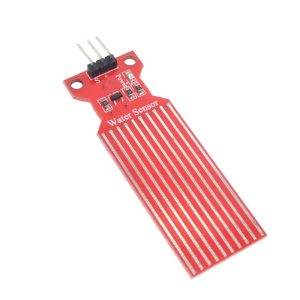
The sensor board features ten exposed copper traces: five power traces and five sensor traces arranged in an interleaved pattern. In dry conditions, the traces are isolated and the resistance is high. As water rises and bridges more trace pairs, the resistance drops and the output voltage increases. This provides a continuous analog signal that can be read by a microcontroller ADC to estimate the water level, while a comparator circuit (on some variants) provides a digital output for simple threshold alarms.

The module operates from 3.3V to 5V DC and is compatible with Arduino, ESP32, Raspberry Pi (with external ADC), and other microcontrollers. It includes an onboard potentiometer for adjusting the digital output sensitivity, and a power indicator LED. The compact PCB with mounting holes allows easy installation in tanks, plant pots, drip trays, and leak detection pans.

Important Note: This sensor is not designed for continuous full submersion. Only the exposed trace area should contact water. Prolonged immersion or constant power in humid environments accelerates electrode corrosion and shortens sensor life. For best results, power the sensor only when taking readings, and dry it after use. It is not suitable for salt water, corrosive liquids, or drinking water applications. For long-term or precision level monitoring, consider a float switch, capacitive sensor, or pressure transmitter.

Whether you are building a plant watering reminder, a leak alarm, or a simple tank level indicator, this module provides an affordable, easy-to-use solution for basic liquid detection.

Features

  • Resistive sensing principle — Exposed conductive traces detect water bridging and level changes

  • Analog voltage output — Continuous signal proportional to immersion depth

  • Digital threshold output (variant dependent) — Comparator circuit with adjustable potentiometer

  • Power indicator LED — Visual status feedback

  • 3.3V to 5V operation — Compatible with Arduino, ESP32, and other microcontrollers

  • Compact PCB form factor — With mounting holes for easy installation

  • Low cost — Affordable solution for basic water detection

  • Wide application range — Plant watering, leak detection, tank monitoring, education

Technical Specifications 

# Parameter Specification
1 Sensor Type Resistive conductive trace
2 Operating Voltage 3.3V – 5V DC
3 Output Type Analog (AO) + Digital (DO, variant dependent)
4 Sensing Area Exposed PCB traces (not fully submersible)
5 Analog Output Range 0 – VCC (varies with water level)
6 Digital Threshold Adjustable via onboard potentiometer
7 Mounting PCB with mounting holes
8 Application Water level detection, leak alarm, plant monitoring

Usage

Getting Started

  1. Connect power — Supply 3.3V or 5V DC to VCC and GND. The power LED should light up.

  2. Connect output — Connect AO to an analog input on your microcontroller (e.g., A0). Connect DO to a digital input if threshold detection is needed.

  3. Mount the sensor — Position the sensor so the exposed trace area is at the water level you want to detect. Do not submerge the entire PCB.

  4. Calibrate (for digital output) — In dry conditions, adjust the potentiometer until the DO output switches at the desired threshold.

  5. Read data — Use analogRead() for level trends, or digitalRead() for simple wet/dry detection.

Pin Connections

Module Pin Function
VCC Power (3.3V–5V)
GND Ground
AO Analog output (voltage increases with water level)
DO Digital output (threshold alarm)

Example Arduino Code

cpp
#define WATER_AO A0
#define WATER_DO 8

void setup() {
  Serial.begin(9600);
  pinMode(WATER_DO, INPUT);
}

void loop() {
  int analogValue = analogRead(WATER_AO);
  int digitalState = digitalRead(WATER_DO);

  Serial.print("Water Level: ");
  Serial.print(analogValue);
  Serial.print(" | Status: ");
  Serial.println(digitalState == LOW ? "WET" : "DRY");

  delay(1000);
}

Typical Applications

  • Plant watering alerts — Detect when soil or a drip tray is dry

  • Leak detection — Place near water heaters, washing machines, or pipes

  • Tank level indication — Basic high/low level monitoring

  • Educational projects — Teaching resistive sensing and analog input

Notes for Business Buyers

  • Short lifespan in continuous use — Electrode corrosion is accelerated by constant power and moisture; design for intermittent readings

  • Not for precision or long-term deployment — For reliable level monitoring, consider capacitive or float-based sensors

  • Suitable for bulk purchasing — Ideal for educational kits, DIY project suppliers, and basic alarm manufacturers

Q: What is the Multi-Purpose Water Level Sensor used for?

It is a basic liquid detection module for water level monitoring, leak detection, and plant watering alerts in hobby and educational projects.

Q: How does the sensor work?

It uses exposed conductive traces. When water bridges the traces, the resistance changes, producing an analog voltage that corresponds to the water level.

Q: Can I submerge the sensor completely in water?

No. Only the exposed trace area should contact water. Full submersion or prolonged immersion accelerates corrosion and damages the sensor.

Q: What is the difference between the analog and digital outputs?

AO provides a continuous voltage that varies with water level for trend monitoring. DO provides a simple HIGH/LOW signal when the water level crosses an adjustable threshold.

Q: Why does my sensor reading fluctuate?

Resistive sensors are sensitive to water conductivity, electrode corrosion, and ambient humidity. Readings can drift over time, especially with continuous power.

Q: How do I extend the sensor’s lifespan?

Power the sensor only when taking readings, dry it after use, and avoid continuous immersion. For long-term applications, use a capacitive or float sensor instead.

Q: What voltage does the module require?

It operates from 3.3V to 5V DC.

Q: Can I use this sensor with a Raspberry Pi?

Yes, but the Pi lacks a built-in ADC. Use an external ADC (e.g., MCP3008) to read the AO output.

Q: Is the sensor suitable for salt water or drinking water?

No. It is not designed for corrosive liquids or potable water applications. Use appropriate sensors for those environments.

Q: Can I purchase in bulk for a product development project?

Yes. This sensor is suitable for bulk purchasing by educational kit suppliers, DIY project developers, and basic alarm manufacturers.