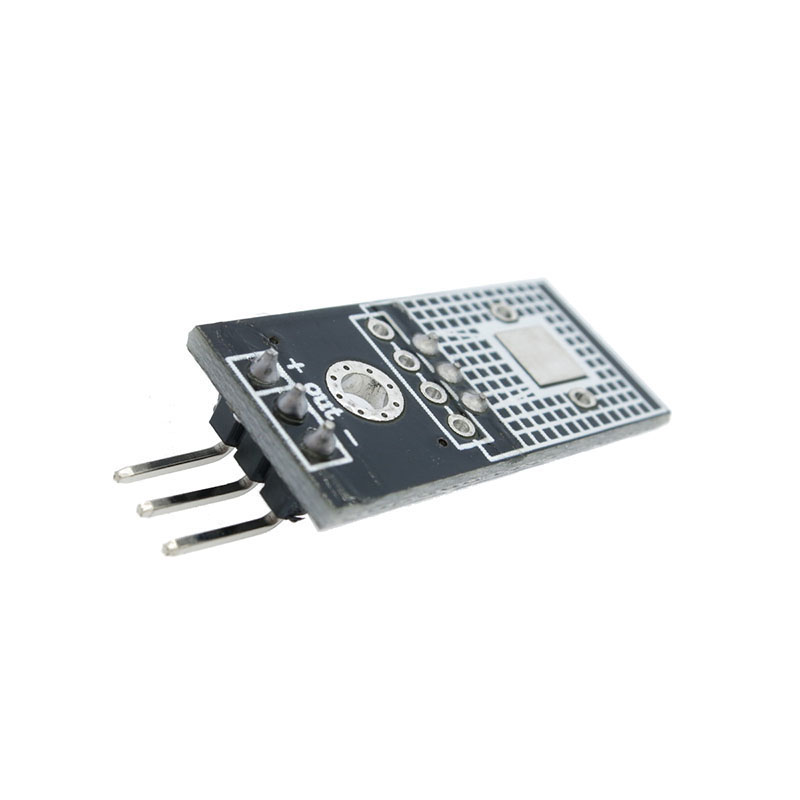
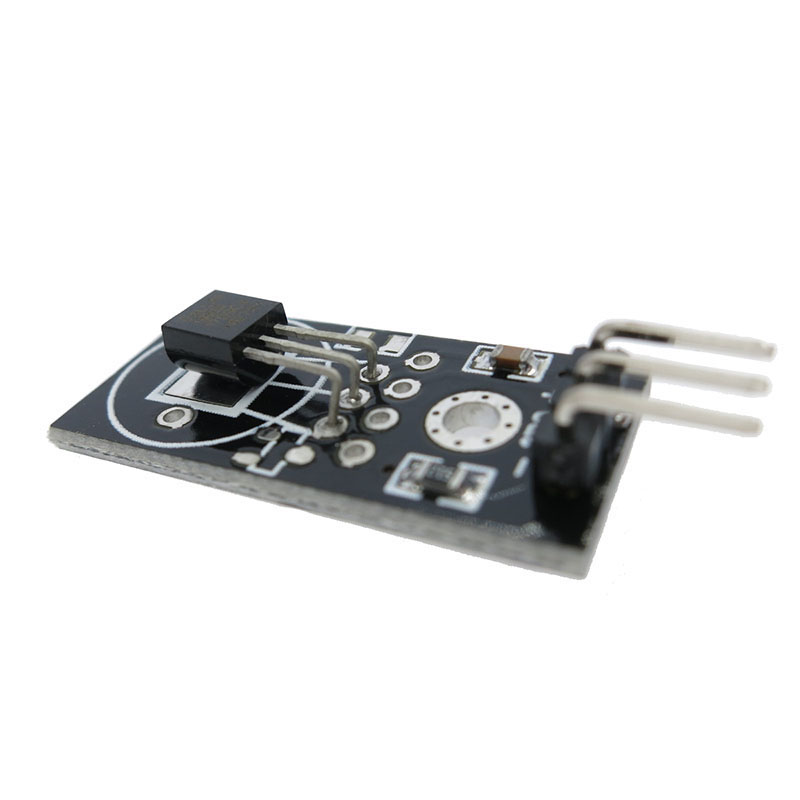
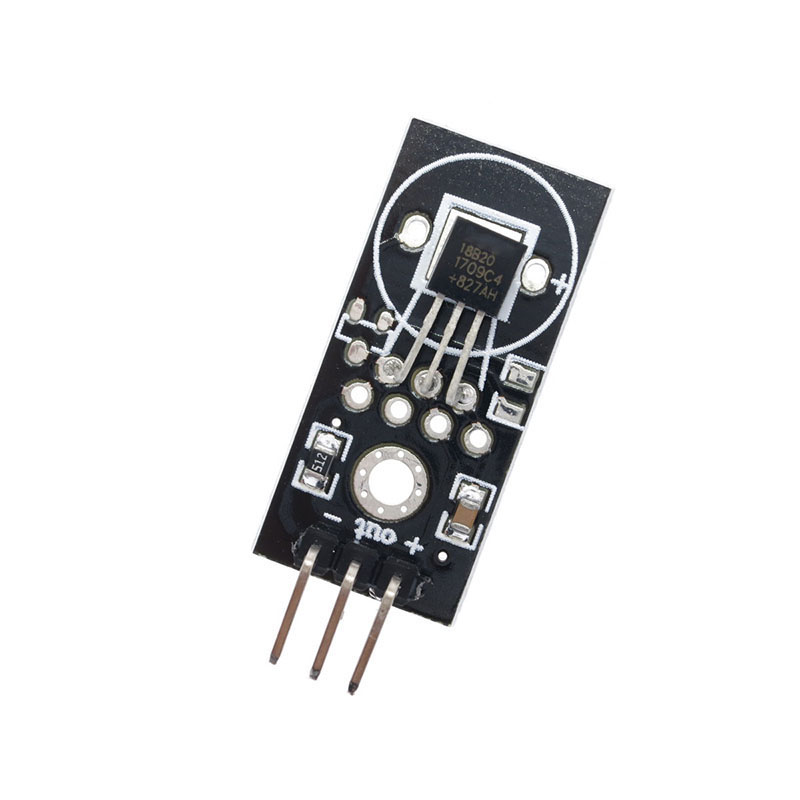
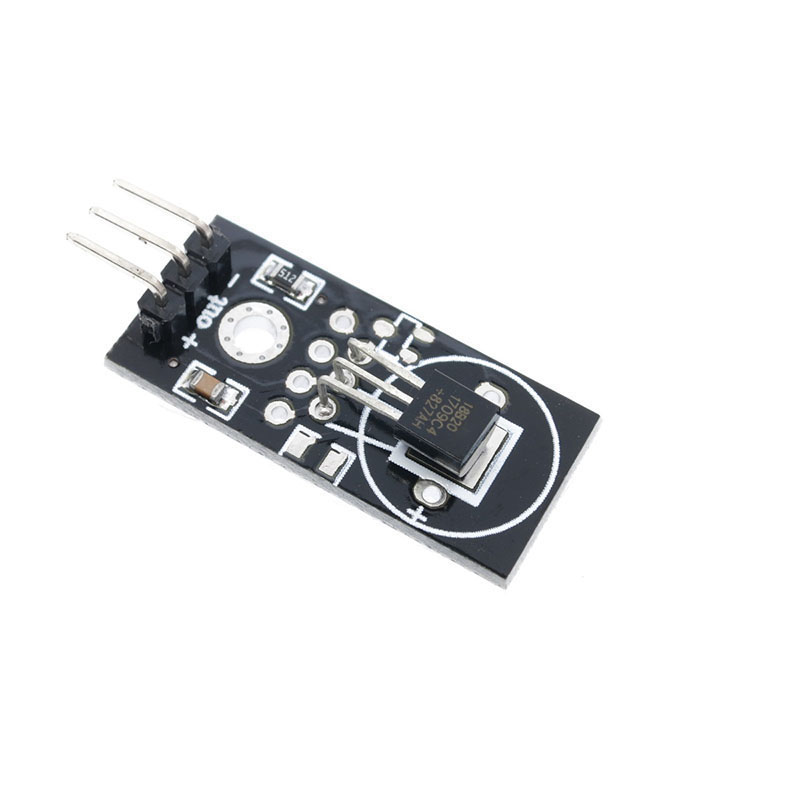
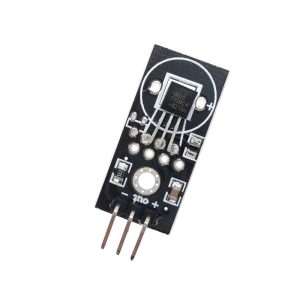
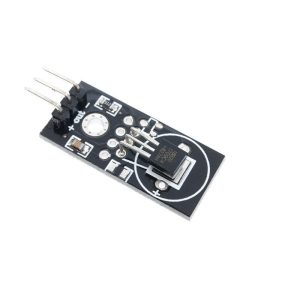
18B20 Programmable Temperature Probe – One-Wire Digital Sensor Brick

SKU: FA3053
Sensor IC

Maxim DS18B20

Temperature Range

-55°C to +125°C

Accuracy

±0.5°C (-10°C to +85°C)

Resolution

9–12 bits programmable (0.0625°C at 12-bit)

Interface

1-Wire (single data line)

Operating Voltage

3.3V – 5V DC

Connector Type

3-pin brick connector (platform dependent)

Power Mode

External power or parasite power (2-wire)

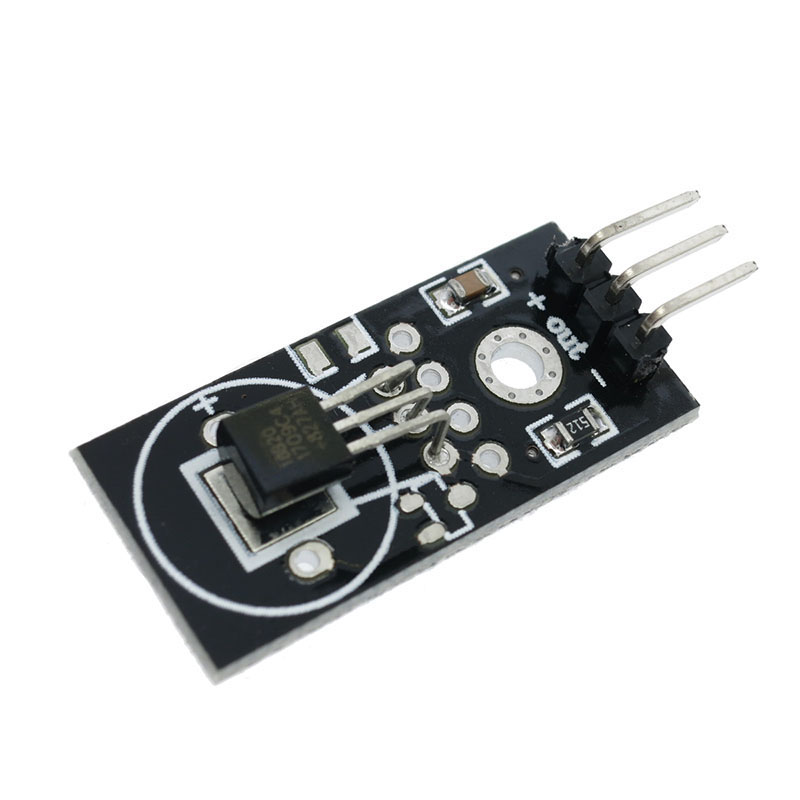
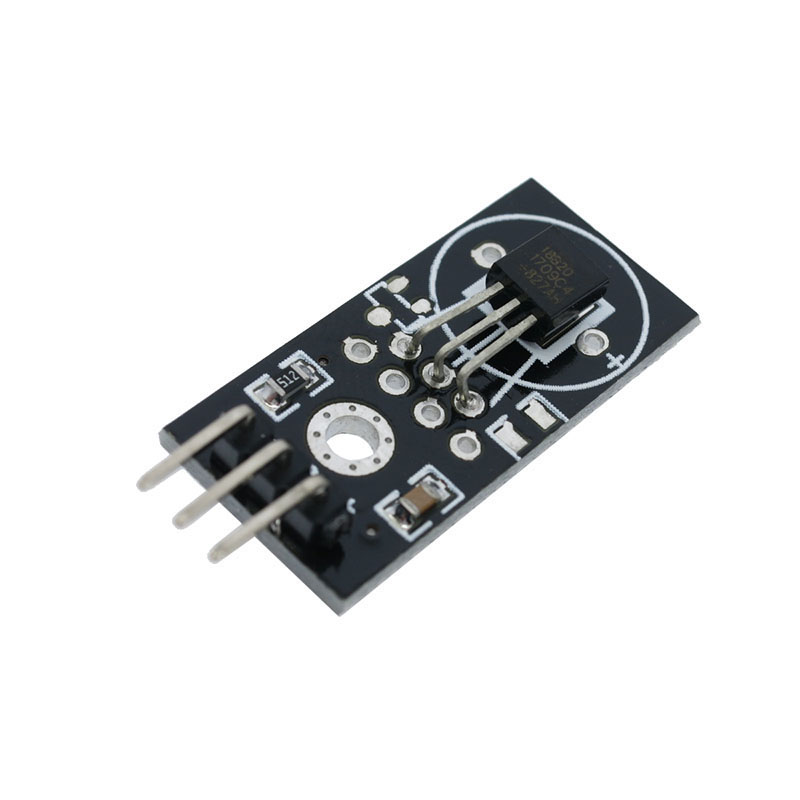
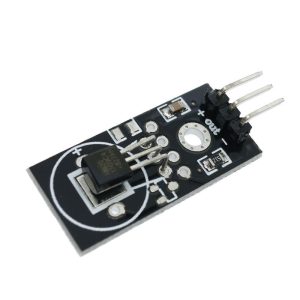
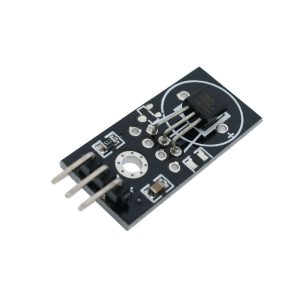
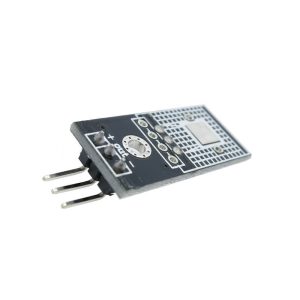
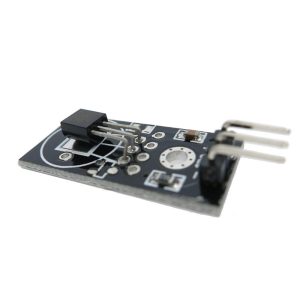
The 18B20 Programmable Temperature Probe is a compact, plug-and-play digital temperature sensor brick built around the industry-standard Maxim DS18B20 1-Wire thermometer. Unlike bare TO-92 sensors or raw waterproof probes, this “brick” format packages the sensor in a convenient module with a standardized connector, making it ideal for rapid prototyping with platforms like Arduino, micro:bit (via breakout boards), and other microcontroller ecosystems.

At its core, the DS18B20 delivers 9-bit to 12-bit programmable resolution (0.0625°C at 12-bit) and measures temperatures from -55°C to +125°C, with ±0.5°C accuracy over the critical -10°C to +85°C range . The 1-Wire interface requires only a single data line (plus power and ground) for communication, and each sensor carries a unique 64-bit serial code stored in onboard ROM, allowing multiple probes to share a single microcontroller pin for distributed temperature sensing .

This brick variant is designed for solder-free, plug-and-play integration. It typically features a 3-pin connector that mates with corresponding breakout boards or shield ports, eliminating the need for breadboard wiring or soldering. The module operates from 3.3V to 5V, making it compatible with both modern low-power microcontrollers and traditional 5V systems . The sensor also supports parasite power mode, where it draws power directly from the data line, reducing the connection to just two wires (DQ and GND) for remote or space-constrained installations .

The “Programmable” designation refers to the DS18B20’s user-configurable features: resolution (9–12 bits), nonvolatile alarm thresholds (upper and lower trigger points), and alarm search commands that identify sensors outside programmed limits . These features make the probe suitable for thermostatic controls, HVAC systems, industrial process monitoring, and distributed sensor networks where autonomous alarm triggering is valuable.

Important Note: This brick format requires a 4.7kΩ pull-up resistor between the DATA and VCC lines for reliable 1-Wire communication. Many brick adapters and breakout boards include this resistor onboard, but verify your specific carrier board before use . If you are using a bare DS18B20 probe with this brick, ensure the wiring matches the brick’s pinout. The sensor is not waterproof unless it is the stainless steel probe variant; the standard TO-92 sensor and brick PCB should be kept dry.

Whether you are building a multi-sensor temperature network, a simple thermostat, or an educational project with micro:bit or Arduino, the 18B20 Programmable Temperature Probe offers a reliable, well-supported solution for precise digital temperature measurement.

Features

  • Maxim DS18B20 1-Wire sensor — Industry-standard digital thermometer with 9–12 bit programmable resolution

  • Wide temperature range — -55°C to +125°C with ±0.5°C accuracy from -10°C to +85°C

  • Unique 64-bit serial code — Multiple probes share one data pin for distributed sensing

  • Programmable alarm function — Nonvolatile upper/lower trigger points with alarm search

  • Parasite power mode — Can operate from just two wires (DQ and GND)

  • 3.3V to 5V operation — Compatible with Arduino, micro:bit breakouts, and other MCUs

  • Plug-and-play brick format — Solder-free connector for rapid prototyping

  • No external components required — Integrated sensor and EEPROM reduce BOM

  • Wide application range — HVAC, thermostatic controls, industrial monitoring, education

  • Library support — OneWire and DallasTemperature libraries for Arduino

Technical Specifications 

# Parameter Specification
1 Sensor IC Maxim DS18B20
2 Temperature Range -55°C to +125°C
3 Accuracy ±0.5°C (-10°C to +85°C)
4 Resolution 9–12 bits programmable (0.0625°C at 12-bit)
5 Interface 1-Wire (single data line)
6 Operating Voltage 3.3V – 5V DC
7 Connector Type 3-pin brick connector (platform dependent)
8 Power Mode External power or parasite power (2-wire)

Usage

Getting Started (Arduino with Brick Adapter)

  1. Connect the brick — Plug the 3-pin connector into a compatible brick adapter or breakout board (e.g., a sensor shield or Grove-to-brick adapter).

  2. Verify the pull-up — Ensure a 4.7kΩ resistor is present between the DATA and VCC lines. Many adapters include this; if not, add one externally .

  3. Connect to the microcontroller — Wire the adapter to your Arduino: DATA → digital pin (e.g., D2), VCC → 5V, GND → GND.

  4. Install libraries — Install OneWire and DallasTemperature through the Arduino Library Manager .

  5. Upload a test sketch — Use the DallasTemperature example to read and display temperature over Serial.

  6. For micro:bit — Use a compatible Octopus:Bit breakout and the DS18B20 MakeCode extension for block-based programming .

Pin Connections (Typical Brick)

Brick Pin Function
VCC Power (3.3V–5V)
DATA 1-Wire signal
GND Ground

Example Arduino Code (DallasTemperature)

cpp
#include <OneWire.h>
#include <DallasTemperature.h>

#define ONE_WIRE_BUS 2  // DATA pin to D2

OneWire oneWire(ONE_WIRE_BUS);
DallasTemperature sensors(&oneWire);

void setup() {
  Serial.begin(9600);
  sensors.begin();
}

void loop() {
  sensors.requestTemperatures();
  float tempC = sensors.getTempCByIndex(0);
  Serial.print("Temperature: ");
  Serial.print(tempC);
  Serial.println(" °C");
  delay(1000);
}

Typical Applications

  • Multi-sensor temperature networks — Multiple probes on one bus for large spaces or equipment

  • Thermostatic controls — HVAC and environmental control systems

  • Industrial monitoring — Equipment and machinery temperature sensing

  • Educational projects — Teaching 1-Wire protocol with micro:bit or Arduino

  • Weather stations — Ambient temperature logging

  • Home automation — Room and appliance temperature monitoring

Notes for Business Buyers

  • Plug-and-play format — Reduces assembly time for educational kits and prototyping

  • Proven 1-Wire ecosystem — Extensive library support across Arduino, micro:bit, and Raspberry Pi

  • Multi-sensor capability — Unique 64-bit addresses allow many probes on one bus

  • Suitable for bulk purchasing — Ideal for educational institutions, sensor network integrators, and HVAC product developers

Q: What is the 18B20 Programmable Temperature Probe used for?

It is a digital temperature sensor brick for measuring ambient or liquid temperature (with waterproof probe variant) in HVAC, industrial monitoring, weather stations, and educational projects.

Q: What does "Programmable" mean for this sensor?

The DS18B20 allows user-programmable resolution (9–12 bits) and nonvolatile alarm thresholds (upper/lower trigger points) that can be configured via software .

Q: Does this brick include the pull-up resistor?

Verify your specific adapter. Many brick carriers include the required 4.7kΩ pull-up between DATA and VCC, but some do not. Without it, 1-Wire communication will fail .

Q: Can I connect multiple probes to one Arduino pin?

Yes. Each DS18B20 has a unique 64-bit serial code, so multiple probes can share the same 1-Wire bus .

Q: What is the temperature range and accuracy?

The range is -55°C to +125°C with ±0.5°C accuracy from -10°C to +85°C .

Q: Can this sensor be submerged in water?

Only if you are using the waterproof stainless steel probe variant. The standard TO-92 sensor and brick PCB are not waterproof and must be kept dry.

Q: What libraries do I need for Arduino?

Install OneWire and DallasTemperature through the Arduino Library Manager .

Q: Can I use this with micro:bit?

Yes, with a compatible Octopus:Bit breakout board and the DS18B20 MakeCode extension .

Q: What is parasite power mode?

Parasite power allows the DS18B20 to draw power directly from the data line, reducing the connection to just two wires (DQ and GND) for remote installations .

Q: Can I purchase in bulk for a product development project?

Yes. This brick is suitable for bulk purchasing by educational institutions, sensor network integrators, and HVAC product developers.