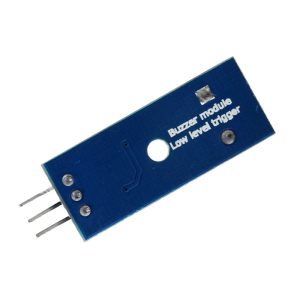
5V Passive Buzzer Module (Low-Level Trigger) – Alarm Sound Control Board

SKU: FA3049-2
Module Type

Passive buzzer control board

Buzzer Type

Passive piezoelectric buzzer (external drive)

Operating Voltage

5V DC (3.3V–5V variants available)

Trigger Type

Low-level trigger (LOW = enabled)

Drive Method

PWM signal (external)

Frequency Range

Approximately 300Hz – 5kHz (audible range)

Driver Type

Onboard transistor

Pin Count

3 pins (VCC, GND, I/O)

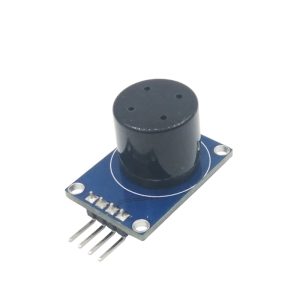
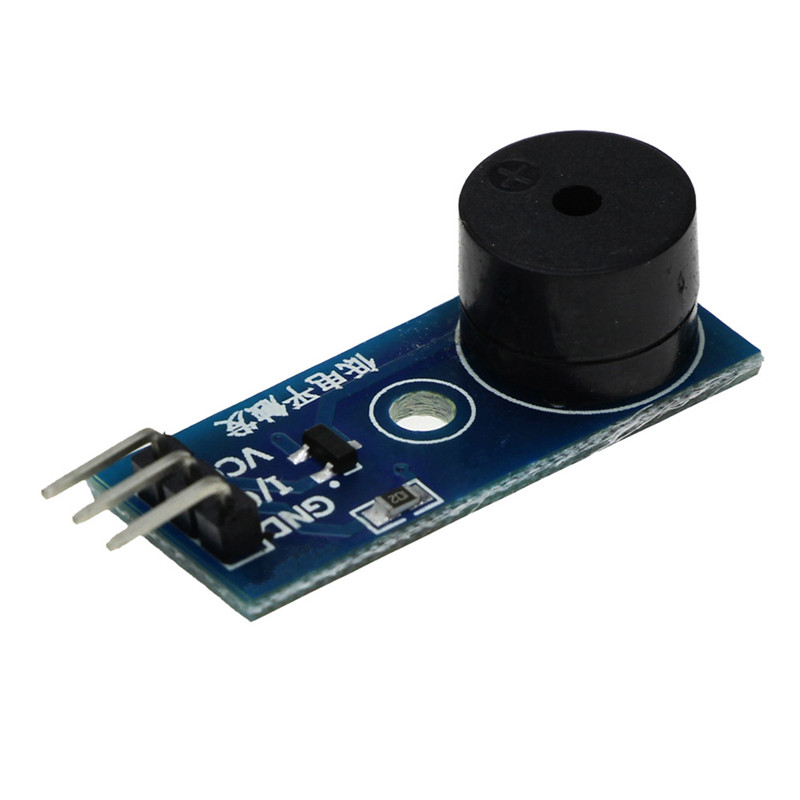
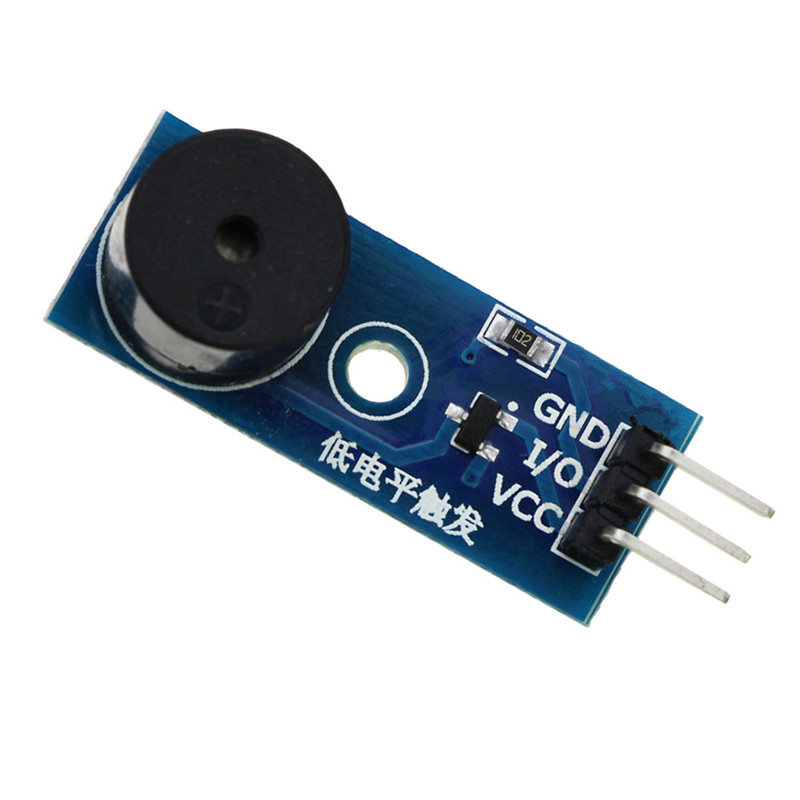
The 5V Passive Buzzer Module with Low-Level Trigger is a compact, ready-to-use sound control board designed for Arduino, ESP32, Raspberry Pi, STM32, and other microcontroller projects. Unlike passive buzzer elements that require external driver circuitry, this module integrates a passive piezoelectric buzzer, a transistor driver circuit, and protection components on a single PCB — making it the simplest way to add software-controlled tone generation to your projects.

At the heart of the module is a passive piezoelectric buzzer that produces sound when driven by an external PWM or AC signal. Because there is no internal oscillator, the sound frequency is entirely determined by the driving signal, giving you full control over tones, melodies, and sound effects. The onboard transistor driver amplifies the microcontroller’s signal to drive the buzzer at the required current, ensuring reliable operation without overloading the MCU’s output pin.

The low-level trigger design is a key feature of this module. When the input signal is LOW (0V) , the buzzer is enabled and produces sound based on the PWM signal applied. When the input signal is HIGH (VCC) , the buzzer is disabled. This active-low logic is convenient for many control applications, including open-collector outputs, PLC sinking outputs, and microcontroller pins configured with internal pull-ups.

The module features a 3-pin interface (VCC, GND, I/O or IN) for easy connection to microcontrollers. For tone generation, you must provide a PWM signal on the I/O pin while holding the trigger input LOW, or the module may use the same pin for both trigger and PWM depending on the specific variant. The compact PCB form factor with mounting holes allows easy integration into alarm systems, notification devices, and control panels.

The module operates from a 5V DC supply, making it compatible with Arduino, ESP32, Raspberry Pi, and other common microcontrollers. The low power consumption makes it suitable for battery-powered sound projects.

The 5V Passive Buzzer Module is widely used in alarm systems, musical projects, doorbells with custom tones, notification devices, game controllers, interactive toys, security systems, industrial control panels, and educational STEM projects. It is also popular in DIY electronics and maker projects where variable tones and melodies are required.

Important Note: This module uses a passive buzzer — it does not produce a fixed tone when connected directly to DC voltage. You must provide a PWM signal to generate sound. The low-level trigger means the buzzer is enabled when the input is LOW — verify your control logic accordingly. The module is not waterproof and should be kept dry. Avoid driving the buzzer at excessive volume for extended periods, as this may cause the piezo element to overheat or degrade over time.

Whether you are building an alarm system, a musical project, or an interactive sound device, the 5V Passive Buzzer Module with Low-Level Trigger provides a reliable, integrated solution for PWM-controlled sound generation. It is suitable for individual makers, students, and businesses purchasing in bulk for product development or educational programs.

Features

  • Integrated passive buzzer — External PWM drive for flexible tone generation

  • Low-level trigger — Buzzer enabled when input is LOW (0V)

  • Onboard transistor driver — Reliable operation without overloading MCU pins

  • Protection components onboard — Flyback diode and current-limiting resistor

  • LED indicator — Visual feedback when buzzer is activated (on some variants)

  • 3-pin interface — VCC, GND, I/O for simple connection

  • Wide voltage range — 5V DC (some variants support 3.3V–5V)

  • Compact PCB form factor — With mounting holes for easy integration

  • Wide application range — Alarms, musical projects, doorbells, game controllers, toys

  • Cost-effective — Affordable solution for sound output in volume production

Technical Specifications 

# Parameter Specification
1 Module Type Passive buzzer control board
2 Buzzer Type Passive piezoelectric buzzer (external drive)
3 Operating Voltage 5V DC (3.3V–5V variants available)
4 Trigger Type Low-level trigger (LOW = enabled)
5 Drive Method PWM signal (external)
6 Frequency Range Approximately 300Hz – 5kHz (audible range)
7 Driver Type Onboard transistor
8 Pin Count 3 pins (VCC, GND, I/O)

Usage

Getting Started

  1. Connect power — Supply 5V DC to the VCC pin and GND to ground.

  2. Connect the signal pin — Connect the I/O pin to a PWM-capable digital output on your microcontroller (e.g., D3 or D9 on Arduino).

  3. Enable the buzzer — Set the trigger input LOW to enable the buzzer.

  4. Upload a test sketch — Use the Arduino tone() function to generate a frequency. Example: tone(BUZZER_PIN, 1000) produces a 1kHz tone.

  5. Play melodies — Define an array of frequencies and durations to play a melody or sound sequence.

  6. Implement control logic — Use the buzzer for alarms, notifications, musical output, or sound effects in your application.

Pin Connections

Module Pin Function
VCC Power (5V DC)
GND Ground
I/O Signal input (PWM) / Trigger input (LOW = enabled)

Trigger Logic

Trigger Signal Buzzer State
LOW (0V) Enabled (produces sound with PWM)
HIGH (5V) Disabled (silent)

Example Arduino Code (Low-Level Trigger with Tone)

cpp
#define BUZZER_PIN 8

void setup() {
  pinMode(BUZZER_PIN, OUTPUT);
  digitalWrite(BUZZER_PIN, HIGH);  // Start with buzzer disabled
}

void loop() {
  digitalWrite(BUZZER_PIN, LOW);   // Enable buzzer
  tone(BUZZER_PIN, 1000);          // 1kHz tone
  delay(500);
  noTone(BUZZER_PIN);
  digitalWrite(BUZZER_PIN, HIGH);  // Disable buzzer
  delay(500);
}

Typical Applications

  • Alarm systems — Custom alarm tones and warning sounds

  • Musical projects — Play melodies, scales, and musical notes

  • Doorbells — Custom doorbell chimes and tones

  • Game controllers — Sound effects for game events

  • Interactive toys — Variable sound effects for play

  • Notification devices — Custom notification tones for events

  • Security systems — Warning sounds and alarm patterns

  • Industrial control panels — Audible status indication

  • Educational STEM projects — Teaching PWM, frequency, and sound generation

Notes for Business Buyers

  • Passive buzzer — Requires PWM signal; cannot produce a fixed tone from DC voltage alone.

  • Low-level trigger — Compatible with open-collector outputs and PLC sinking outputs.

  • Integrated design — Buzzer, driver, and protection on one board simplifies integration.

  • Suitable for bulk purchasing — Ideal for alarm system manufacturers, toy makers, and educational institutions.

Q: What is the 5V Passive Buzzer Module with Low-Level Trigger used for?

It is a passive buzzer module for PWM-driven sound generation, used in alarm systems, musical projects, doorbells, game controllers, interactive toys, and educational STEM projects.

Q: What does "low-level trigger" mean?

It means the buzzer is enabled when the input signal is LOW (0V) and disabled when the input is HIGH (VCC) .

Q: What is the difference between an active and passive buzzer?

An active buzzer has a built-in oscillator and produces a fixed tone when powered. A passive buzzer requires an external PWM signal and can produce different frequencies and melodies.

Q: How do I control the buzzer?

Use the Arduino tone() function or a PWM output. Set the trigger input LOW to enable the buzzer, then apply the PWM signal to generate sound.

Q: What voltage does the module require?

It operates from 5V DC (some variants support 3.3V to 5V).

Q: Can I play melodies with this buzzer?

Yes. By defining an array of frequencies and durations, you can play melodies, scales, and complex sound sequences.

Q: Why does my buzzer not produce sound when connected to DC voltage?

The module uses a passive buzzer and requires an AC/PWM signal to produce sound. Connecting it directly to DC voltage will not generate a tone.

Q: What is the frequency range of the buzzer?

The buzzer produces tones across the audible range, approximately 300Hz to 5kHz.

Q: Is the module waterproof?

No. The module is not waterproof and should be kept dry.

Q: Can I purchase in bulk for a product development project?

Yes. This module is suitable for both individual users and business purchasing, including alarm system manufacturers, toy makers, and educational institutions.