QYC3316 1.2V Active Piezo Buzzer – 33x16x15mm Compact Mechanical Buzzer with Low Voltage Operation

SKU: FA3048-6
Model

QYC3316

Buzzer Type

Piezoelectric Active Buzzer (built-in oscillator)

Rated Voltage

1.2V DC

Resonant Frequency

~2.7kHz (typical for active piezo)

Operating Temperature

-20°C to +60°C (typical)

Mounting Type

Through-hole, 2-pin solderable

Housing Dimensions

33 × 16 × 15 mm (approximate)

Sound Output

Continuous tone (audible in quiet to moderate environments)

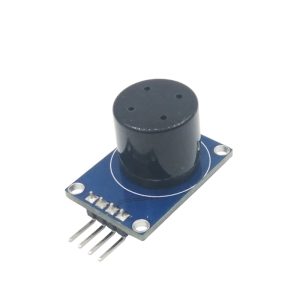
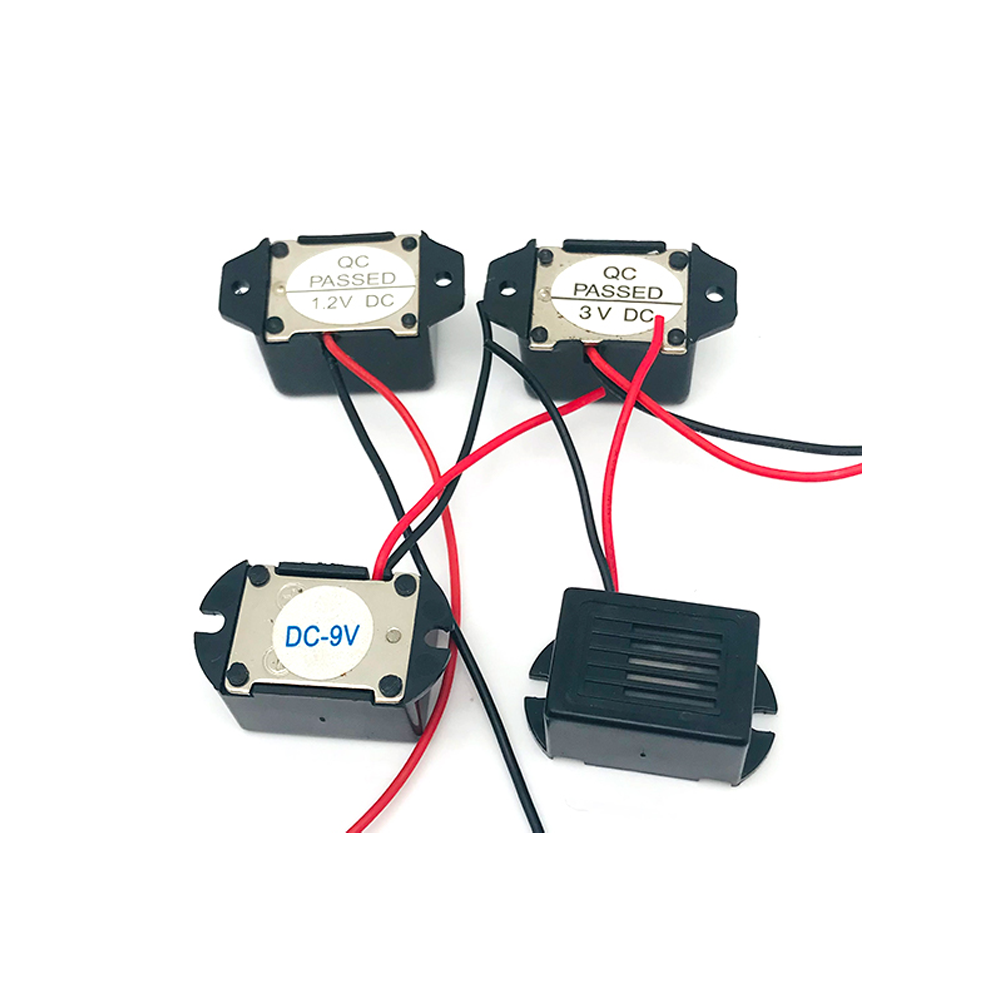
The QYC3316 Active Piezo Buzzer is a compact, low-voltage sound generator designed for applications where conventional 3V–5V buzzers are not suitable. Operating from just 1.2V DC, this buzzer is specifically engineered for single-cell battery-powered devices, energy-harvesting circuits, and ultra-low-voltage embedded systems. Housed in a standard 33×16×15mm rectangular package, the QYC3316 combines a piezoelectric ceramic element with a built-in drive circuit, producing a clear, continuous tone without any external PWM signal or oscillator circuitry.

At the heart of the buzzer is a piezoelectric ceramic disc bonded to a metal diaphragm. When the internal drive circuit applies an oscillating voltage across the ceramic element, it expands and contracts, causing the diaphragm to vibrate at a fixed resonant frequency of approximately 2.7kHz — a tone that is clearly audible to the human ear. The built-in oscillator simplifies integration: connect the positive and negative terminals to a 1.2V DC source, and the buzzer produces sound immediately.

The 1.2V operating voltage is the defining feature of this model. Standard active buzzers typically require 3V or more, making them incompatible with single-cell alkaline (1.5V) or NiMH (1.2V) batteries without a boost converter. The QYC3316 eliminates that requirement, making it ideal for single-battery devices such as:

  • Battery testers and voltage monitors

  • Low-power timers and reminders

  • Portable medical devices (glucose meters, thermometers)

  • Toys and novelties powered by a single AA or AAA cell

  • Energy-harvesting sensor nodes with limited voltage rails

  • Ultra-low-power embedded systems requiring audible feedback

The buzzer features solderable pin terminals for through-hole mounting on PCBs, with clearly marked polarity. The rectangular 33×16×15mm housing provides a stable mounting surface and protects the internal piezo element from dust and physical damage. The compact form factor allows integration into handheld devices, small enclosures, and space-constrained designs.

The QYC3316 is widely used in low-voltage alarm circuits, portable electronic devices, battery-powered timers, medical monitors, toys, and educational STEM projects where a simple, reliable audible indicator is needed at very low voltages.

Important Note: The QYC3316 is an active buzzer — it produces a fixed tone when powered and cannot play melodies or variable frequencies. For variable tones, use a passive buzzer with PWM control. The 1.2V rated voltage means this buzzer is not suitable for 3.3V or 5V circuits directly — applying higher voltage may damage the internal drive circuit or produce excessive volume. If you need to operate from a higher voltage rail, use a voltage regulator or series resistor to drop the voltage to the rated level. The buzzer is not waterproof and should be kept dry. Verify polarity before connecting — reverse polarity may damage the internal oscillator.

Whether you are designing a single-battery alarm, a low-power medical device, or a compact reminder, the QYC3316 1.2V Active Piezo Buzzer provides a reliable, integrated solution for audible feedback at the lowest practical voltage.

Features

  • 1.2V ultra-low voltage operation — Ideal for single-cell battery devices (AA, AAA, NiMH)

  • Active buzzer with built-in oscillator — Produces sound directly from DC voltage; no PWM required

  • Fixed 2.7kHz tone — Clear, audible continuous sound for alerts and notifications

  • Compact 33×16×15mm package — Rectangular form factor for stable PCB mounting

  • Piezoelectric ceramic element — Low current draw, high efficiency

  • Solderable pin terminals — Simple through-hole installation with polarity marking

  • Built-in drive circuit — No external components required

  • Wide application range — Battery testers, low-power timers, medical devices, toys, energy-harvesting nodes

  • Cost-effective — Affordable solution for low-voltage audible indication

  • Reliable performance — Piezo element resists mechanical wear and has long service life

Technical Specifications 

# Parameter Specification
1 Model QYC3316
2 Buzzer Type Piezoelectric Active Buzzer (built-in oscillator)
3 Rated Voltage 1.2V DC
4 Resonant Frequency ~2.7kHz (typical for active piezo)
5 Operating Temperature -20°C to +60°C (typical)
6 Mounting Type Through-hole, 2-pin solderable
7 Housing Dimensions 33 × 16 × 15 mm (approximate)
8 Sound Output Continuous tone (audible in quiet to moderate environments)

Usage

Getting Started

  1. Identify the pins — Determine the positive (+) and negative (-) terminals. Polarity is usually marked on the housing or by pin length.

  2. Connect power — Apply 1.2V DC across the terminals (positive to +, negative to -). The buzzer will produce a continuous tone immediately.

  3. Control with a microcontroller — For MCU control, use a transistor driver circuit to switch the buzzer on and off. The MCU GPIO cannot directly supply 1.2V at the required current for reliable operation without a level-shifting or driver stage.

  4. Transistor driver circuit — Connect the buzzer positive to the 1.2V supply, buzzer negative to a transistor collector, transistor emitter to GND, and transistor base to MCU GPIO through a resistor.

  5. Upload control code — Set the GPIO pin HIGH to turn the buzzer on, LOW to turn it off.

Pin Connections

Buzzer Pin Function
Positive (+) Connect to 1.2V supply
Negative (-) Connect to GND (or transistor collector)

Power Source Compatibility

Power Source Suitability
1×AA Alkaline (1.5V) Yes (slightly over-rated but generally acceptable)
1×AAA Alkaline (1.5V) Yes
1×NiMH (1.2V) Yes (ideal)
3.3V / 5V Rails No — requires voltage reduction
3V Coin Cell No — over-rated

Example Arduino Code (via Transistor Driver)

cpp
#define BUZZER_PIN 8

void setup() {
  pinMode(BUZZER_PIN, OUTPUT);
}

void loop() {
  digitalWrite(BUZZER_PIN, HIGH);  // Buzzer ON
  delay(500);
  digitalWrite(BUZZER_PIN, LOW);   // Buzzer OFF
  delay(500);
}

Transistor Driver Circuit

Component Connection
Buzzer + 1.2V supply
Buzzer – Transistor Collector
Transistor Emitter GND
Transistor Base MCU GPIO via 1kΩ resistor

Typical Applications

  • Battery testers — Audible indication of battery voltage level

  • Low-power timers — Reminder alert for single-battery timers

  • Portable medical devices — Glucose meters, thermometers, diagnostic equipment

  • Toys and novelties — Single-battery sound effects

  • Energy-harvesting nodes — Audible feedback from ultra-low-power circuits

  • Educational STEM projects — Teaching low-voltage electronics and sound generation

Notes for Business Buyers

  • 1.2V rated voltage — Designed for single-cell battery operation; do not connect directly to 3.3V or 5V rails.

  • Active buzzer — Fixed tone, no PWM required; simple DC voltage drive.

  • Transistor driver recommended — For MCU control, use a transistor to isolate the buzzer from the MCU.

  • Suitable for bulk purchasing — Ideal for battery tester manufacturers, toy makers, and low-power device developers.

Q: What is the QYC3316 1.2V Active Piezo Buzzer used for?

It is a low-voltage active buzzer for producing audible alerts and notifications in single-cell battery devices, battery testers, low-power timers, medical devices, and toys.

Q: What voltage does the buzzer require?

The rated voltage is 1.2V DC. It is designed for single-cell NiMH batteries or similar low-voltage sources.

Q: Can I connect this buzzer directly to a 3.3V or 5V microcontroller pin?

No. The 1.2V rated voltage means direct connection to 3.3V or 5V will overdrive the internal circuit and may damage the buzzer. Use a transistor driver with a 1.2V supply, or reduce the voltage with a regulator.

Q: What is the difference between an active and passive buzzer?

An active buzzer has a built-in oscillator and produces a fixed tone when powered. A passive buzzer requires an external PWM signal and can produce different frequencies and melodies.

Q: What is the sound output frequency?

The buzzer produces a tone at approximately 2.7kHz, typical for active piezoelectric buzzers.

Q: How do I connect the buzzer to an Arduino?

Use a transistor driver circuit with a 1.2V supply. Connect the buzzer between the 1.2V supply and the transistor collector, emitter to GND, and base to MCU GPIO through a resistor.

Q: Why does my buzzer only click or produce no sound?

Common causes include: insufficient voltage (below 1.2V), incorrect polarity, or attempting to drive directly from a 3.3V/5V GPIO without a driver circuit.

Q: Is the buzzer waterproof?

No. The QYC3316 is not waterproof and should be kept dry.

Q: Can I play different tones or melodies with this buzzer?

No. The QYC3316 is an active buzzer with a fixed tone. It cannot play melodies or variable frequencies.

Q: Can I purchase in bulk for a product development project?

Yes. The QYC3316 is suitable for bulk purchasing by battery tester manufacturers, toy makers, and low-power device developers.