MCU-103 Rotary Angle Sensor / SV01A103AEA01R00 Precision Potentiometer – Linear Position Adjustment

SKU: FA3022-2
Sensor IC

Murata SV01A103AEA01R00

Total Resistance

10kΩ ±30%

Linearity

±2%

Effective Rotation Angle

333.3° (typical)

Rated Voltage

DC 5V

Operating Temperature

-40°C to +85°C

Rotational Life

1,000,000 cycles (max)

Rotational Torque

2mN·m max (21gf·cm)

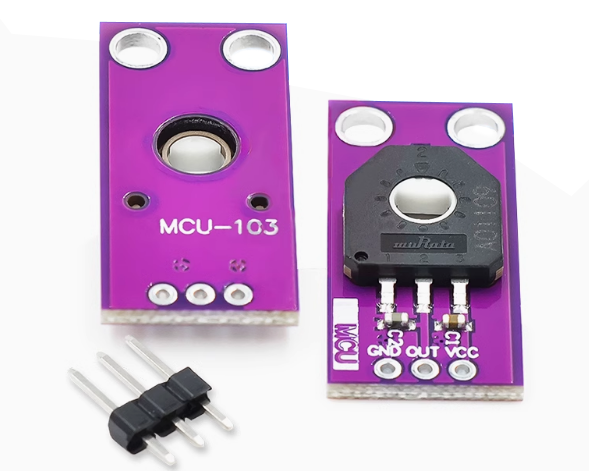
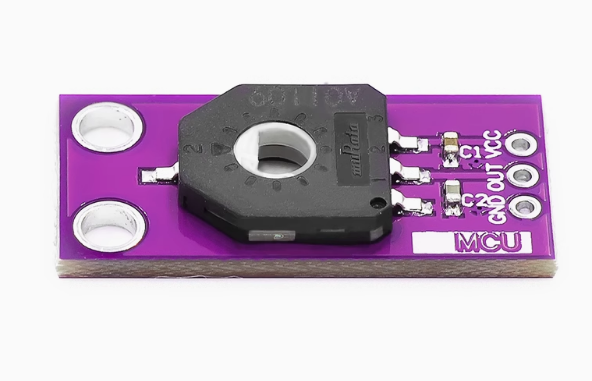
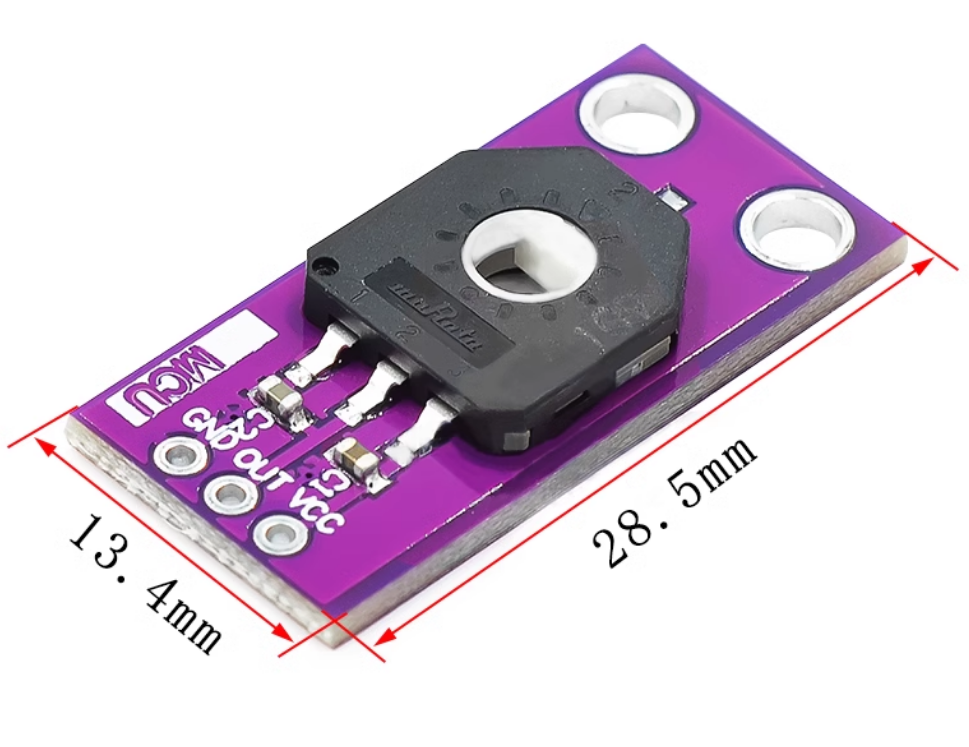
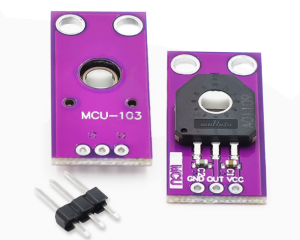
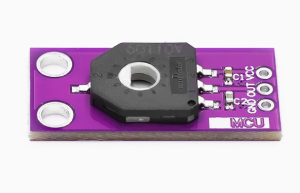
The MCU-103 Rotary Angle Sensor is a compact, high-reliability position sensor built around the Murata SV01A103AEA01R00 precision rotary potentiometer. It is designed to measure angular displacement with a linear output voltage, making it an ideal solution for robotics joint feedback, servo position sensing, motorized equipment, and educational STEM projects that require accurate rotation angle detection.

At the heart of the module is the SV01A103AEA01R00, a surface-mount resistive rotary position sensor from Murata’s SV01 series. It features a 10kΩ total resistance with ±30% tolerance and a linearity of ±2%, ensuring consistent and predictable output across its rotation range . The sensor supports an effective electrical rotation angle of approximately 333.3°, with a maximum electrical open area of 15° where the output is not defined . The analog voltage output is proportional to the shaft position, allowing direct connection to a microcontroller’s ADC pin.

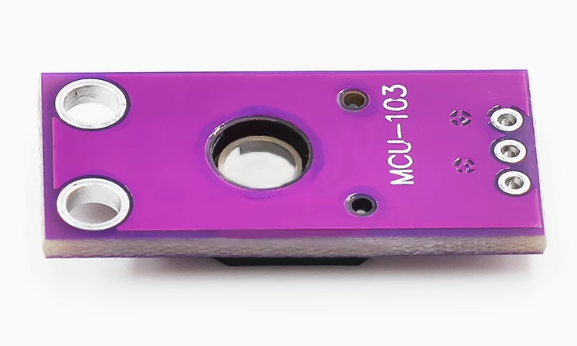
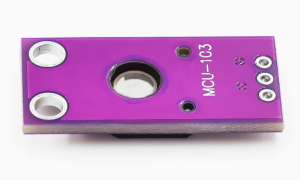
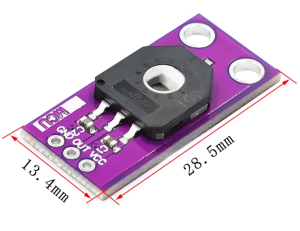
The MCU-103 module wraps this precision sensor in a convenient breakout format. The sensor itself uses a D-shaped through-hole rotor, allowing you to insert any compatible shaft or gear for mechanical coupling . The sensor is ultra-thin, measuring only 2.1mm in height, making it suitable for space-constrained designs .

Key features of the module include:

  • High durability — The sensor is rated for 1,000,000 rotational cycles, ensuring long-term reliability in demanding applications .

  • Dustproof construction — The sealed body prevents dust ingress, maintaining stable performance in industrial and outdoor environments .

  • Wide operating temperature — Functions from -40°C to +85°C, suitable for harsh environments .

  • Low rotational torque — Maximum torque of 2mN·m (21gf·cm), providing smooth, effortless rotation .

The module operates from a rated voltage of DC 5V (within the SV01 series specification) and provides an analog voltage output that varies linearly with the shaft angle . The resistance temperature coefficient is ±500ppm/°C, ensuring stable performance across temperature variations .

The MCU-103 is widely used in robotics (joint position feedback), motor drive units (position sensing), radio control equipment (steering and throttle inputs), electric bicycles (pedal assist sensors), automotive systems (panel knob position), and educational kits (Arduino and STEM projects involving motion sensing) .

Important Note: The SV01A103AEA01R00 is marked as obsolete by some distributors and is no longer manufactured by Murata . Availability may be limited to existing stock. For new designs, verify availability with your supplier before committing to volume production. The sensor is not waterproof and should be kept dry. Avoid applying excessive thrust, radial, or twist loads to the rotor bearing, as this may affect electrical characteristics or cause mechanical damage .

Whether you are building a robot arm, a motorized positioner, or an interactive control panel, the MCU-103 Rotary Angle Sensor provides a reliable, precise solution for linear position adjustment. It is suitable for individual makers, engineering students, and businesses purchasing in bulk for product development or industrial applications.

Features

  • Murata SV01A103AEA01R00 sensor — Precision resistive rotary position sensor

  • 10kΩ resistance — With ±30% tolerance for reliable voltage division

  • ±2% linearity — Consistent, predictable output across the rotation range

  • 333.3° effective rotation angle — Wide angular measurement range

  • 1M cycle rotational life — High durability for long-term applications

  • Dustproof construction — Sealed body for stable performance in harsh environments

  • Ultra-thin design — Only 2.1mm height for space-constrained projects

  • D-shaped through-hole rotor — Accepts any compatible shaft or gear

  • Analog voltage output — Direct connection to microcontroller ADC pins

  • Wide temperature range — Operates from -40°C to +85°C

Technical Specifications 

# Parameter Specification
1 Sensor IC Murata SV01A103AEA01R00
2 Total Resistance 10kΩ ±30%
3 Linearity ±2%
4 Effective Rotation Angle 333.3° (typical)
5 Rated Voltage DC 5V
6 Operating Temperature -40°C to +85°C
7 Rotational Life 1,000,000 cycles (max)
8 Rotational Torque 2mN·m max (21gf·cm) 

Usage

Getting Started

  1. Mount the sensor — Secure the MCU-103 module to your panel or chassis using the mounting holes. The sensor uses a D-shaped through-hole rotor for shaft coupling .

  2. Insert the shaft — Insert a compatible D-shaped shaft into the rotor hole. Ensure the shaft cross-section dimension matches the rotor to avoid backlash or damage .

  3. Connect power — Supply 5V DC to the VCC pin and GND to ground. The rated voltage for the SV01 sensor is DC 5V .

  4. Connect the output — Connect the signal output pin to an analog input on your microcontroller (e.g., A0 on Arduino). The output voltage varies linearly with the shaft position.

  5. Read and calibrate — Read the analog value and map it to the rotation angle. The 15° electrical open area means the output is not defined at the transition point; avoid relying on readings within this zone .

  6. Implement control logic — Use the angle reading for joint position feedback, servo control, or parameter adjustment.

Pin Connections (Typical)

Module Pin Function
VCC Power (5V DC)
GND Ground
OUT Analog signal output

Output Behavior

Shaft Position Output Voltage
Minimum angle Near 0V
Midpoint Near VCC/2
Maximum angle Near VCC
Open area (~15°) Output undefined

Example Arduino Code

cpp
#define SENSOR_PIN A0

void setup() {
  Serial.begin(9600);
}

void loop() {
  int sensorValue = analogRead(SENSOR_PIN);
  float voltage = sensorValue * (5.0 / 1023.0);

  Serial.print("Sensor Value: ");
  Serial.print(sensorValue);
  Serial.print(" Voltage: ");
  Serial.print(voltage);
  Serial.println(" V");

  delay(100);
}

Typical Applications

  • Robotics — Joint position feedback and angle monitoring

  • Motor drive units — Position sensing for motorized equipment

  • Radio control equipment — Steering and throttle input

  • Electric bicycles — Pedal assist and throttle position sensing

  • Automotive systems — Panel knob and actuator position

  • Educational STEM projects — Teaching analog position sensing and ADC principles

Notes for Business Buyers

  • Obsolete product status — The SV01A103AEA01R00 is marked obsolete by some distributors. Verify availability before committing to volume production .

  • High reliability — 1M cycle rotational life and dustproof construction reduce maintenance and warranty claims .

  • Precision sensing — ±2% linearity provides accurate angle measurement for demanding applications .

  • Suitable for bulk purchasing — Ideal for robotics manufacturers, motor control integrators, and educational institutions.

Q: What is the MCU-103 Rotary Angle Sensor used for?

It is a precision rotary potentiometer for measuring angular displacement, used in robotics joint feedback, servo position sensing, motorized equipment, and educational STEM projects .

Q: What is the sensor IC used in this module?

The module uses the Murata SV01A103AEA01R00, a surface-mount resistive rotary position sensor from the SV01 series .

Q: What is the effective rotation angle?

The sensor has an effective electrical rotation angle of approximately 333.3°, with a maximum electrical open area of 15° where the output is not defined .

Q: What is the resistance and tolerance?

The total resistance is 10kΩ with ±30% tolerance .

Q: What is the linearity specification?

The output linearity is ±2%, ensuring consistent and predictable angle measurement .

Q: What voltage does the module require?

The rated voltage is DC 5V

Q: How long does the sensor last?

The rotational life is rated for 1,000,000 cycles, ensuring long-term reliability .

Q: What is the operating temperature range?

The sensor operates from -40°C to +85°C, suitable for harsh environments .

Q: Is the sensor dustproof?

Yes. The SV01 series features a sealed, dustproof construction that prevents dust ingress for stable performance .

Q: Can I purchase in bulk for a product development project?

Yes, but note that the SV01A103AEA01R00 is marked as obsolete by some distributors. Verify availability with your supplier before committing to volume production .