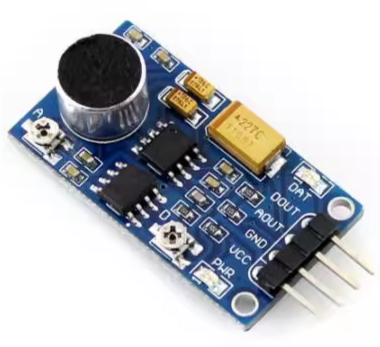
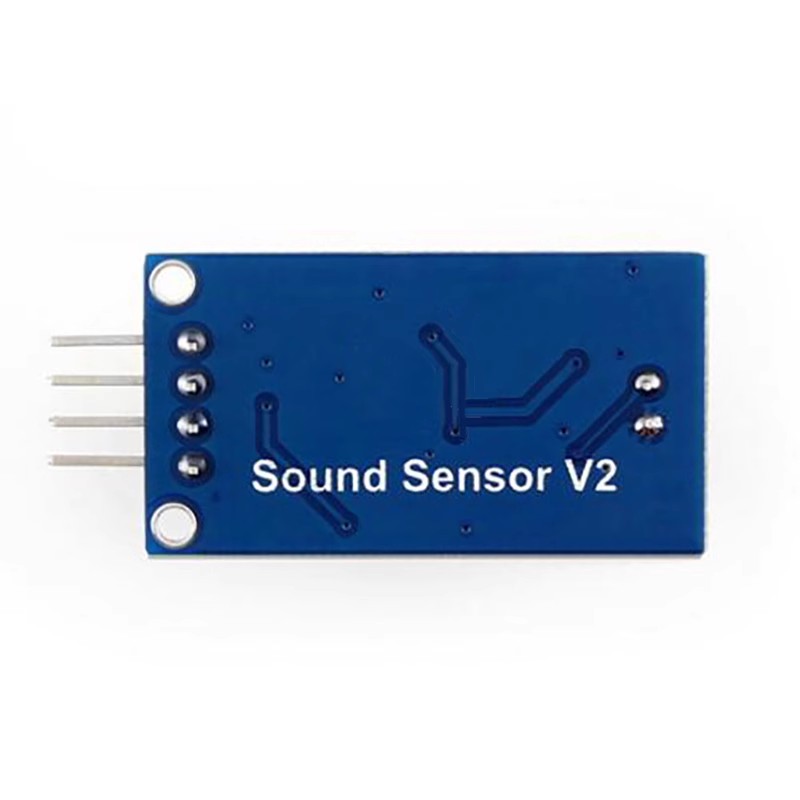
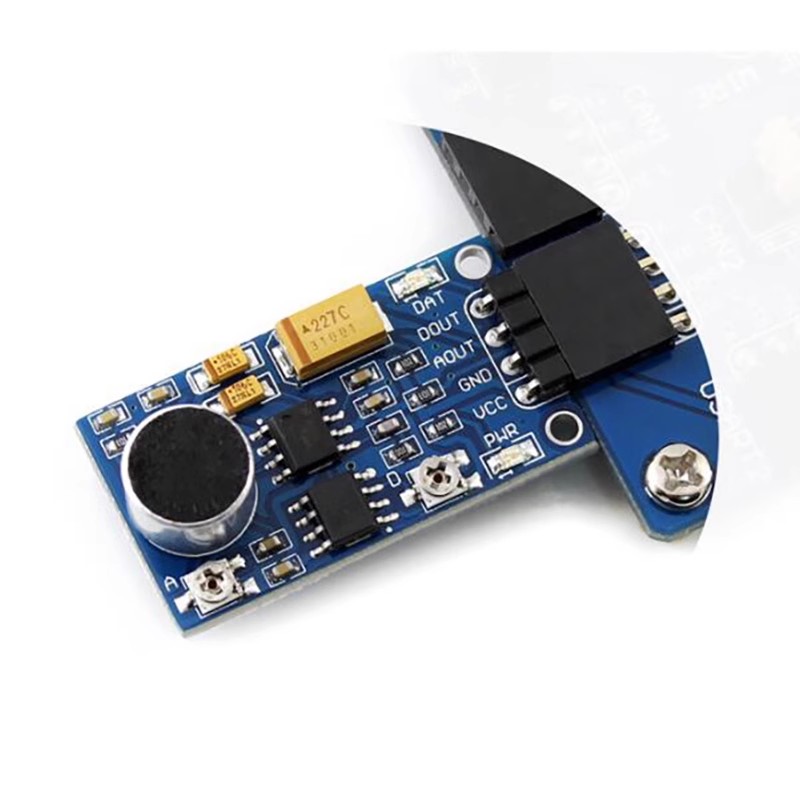
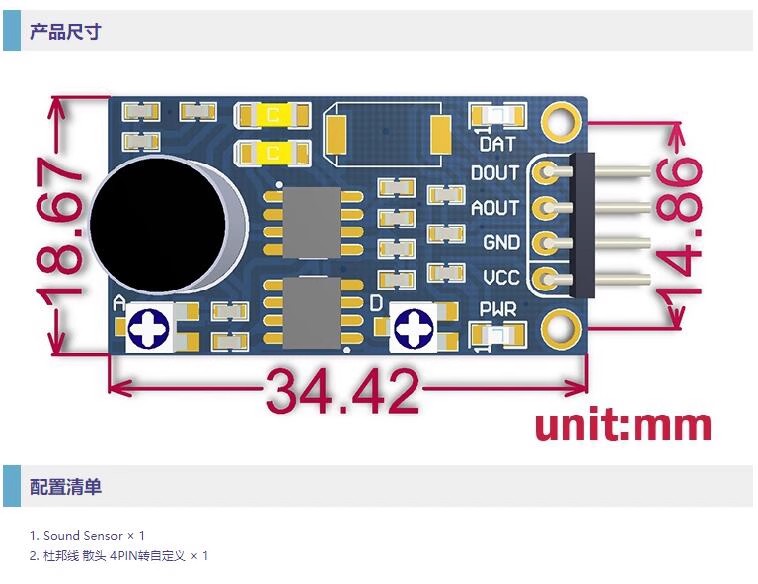
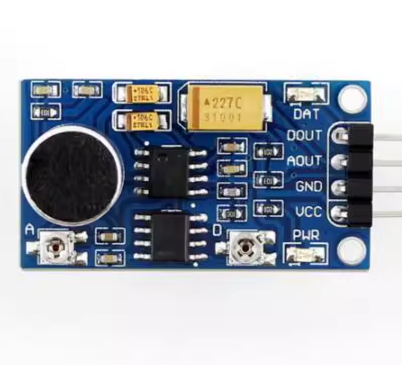
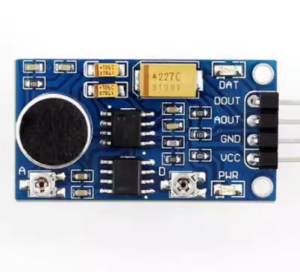
Smart Voice Control Sensor Module – LM386 Audio Detector for Arduino Projects

SKU: FA3020-1
Module Type

Voice control / audio detection sensor

Amplifier IC

LM386

Sensor Type

Electret condenser microphone

Operating Voltage

3.3V – 5V DC

Output Type

Analog (AO) + Digital (DO)

Sensitivity Adjustment

Onboard potentiometer

Indication

LED indicator for digital output

Pin Count

4 pins (VCC, GND, DO, AO)

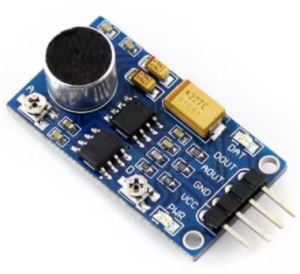
The Smart Voice Control Sensor Module is a compact, high-sensitivity audio detection board designed for Arduino, ESP32, STM32, and other microcontroller projects. Built around the LM386 audio amplifier IC, this module captures ambient sound through a high-sensitivity electret microphone and provides both analog and digital outputs for flexible integration into voice-activated and sound-responsive applications.

At the heart of the module is the LM386, a low-voltage audio power amplifier widely used in low-power audio applications. The LM386 amplifies the weak signal from the electret condenser microphone, boosting it to a level suitable for microcontroller ADC input and comparator threshold detection. The amplified signal is then routed to two outputs:

  • Analog Output (AO) — A continuous voltage that varies proportionally to the ambient sound level. Connect this to your microcontroller’s ADC pin to measure sound intensity in real time, enabling applications like sound level meters, waveform visualization, and voice envelope detection.

  • Digital Output (DO) — A HIGH/LOW signal that switches when the sound level exceeds a user-adjustable threshold. The threshold is set via the onboard potentiometer. This output is ideal for simple sound-triggered switching, voice-activated relays, and clap detectors.

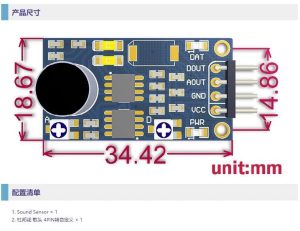
The module operates from a 3.3V to 5V DC supply, making it compatible with the most common microcontroller platforms. The compact form factor with mounting holes allows easy integration into custom enclosures, voice-controlled devices, and portable electronics. The 4-pin interface (VCC, GND, DO, AO) provides simple, straightforward wiring.

The Smart Voice Control Sensor Module is widely used in voice-activated switches, clap detectors, sound-reactive LED projects, noise monitoring systems, security alarms, interactive art installations, and educational STEM projects. It is also popular in DIY electronics and maker projects where reliable sound detection and audio amplification are required.

Important Note: The LM386 amplifies the overall sound intensity, not specific frequencies or speech content. For voice recognition or frequency-specific detection, a more advanced audio processing module is required. The module is not waterproof and should be kept dry. The microphone’s sensitivity can be affected by ambient noise levels, so calibrate the potentiometer for your specific environment.

Whether you are building a voice-activated light, a clap-controlled robot, or a sound-reactive art piece, the Smart Voice Control Sensor Module provides a reliable, affordable solution with the proven LM386 audio amplifier. It is suitable for individual makers, students, and businesses purchasing in bulk for product development or educational programs.

Features

  • LM386 audio amplifier IC — Proven, reliable audio amplification

  • High-sensitivity electret microphone — Captures ambient sound accurately

  • Dual outputs — Analog (AO) for sound intensity, Digital (DO) for threshold triggering

  • Adjustable sensitivity — Onboard potentiometer for digital output threshold

  • Wide voltage range — 3.3V to 5V DC, compatible with Arduino, ESP32, STM32

  • 4-pin interface — VCC, GND, DO, AO for simple connection

  • Compact form factor — With mounting holes for easy integration

  • Wide application range — Voice-activated switches, clap detectors, sound-reactive projects

  • Simple interface — Direct connection to ADC and digital input pins

  • Cost-effective — Affordable solution for audio detection in volume production

Technical Specifications 

# Parameter Specification
1 Module Type Voice control / audio detection sensor
2 Amplifier IC LM386
3 Sensor Type Electret condenser microphone
4 Operating Voltage 3.3V – 5V DC
5 Output Type Analog (AO) + Digital (DO)
6 Sensitivity Adjustment Onboard potentiometer
7 Indication LED indicator for digital output
8 Pin Count 4 pins (VCC, GND, DO, AO)

Usage

Getting Started

  1. Connect power — Supply 3.3V or 5V DC to the VCC pin and GND to ground.

  2. Connect the outputs — Connect the DO pin to a digital input pin (e.g., D2 on Arduino) and the AO pin to an analog input pin (e.g., A0).

  3. Adjust sensitivity — Use the onboard potentiometer to set the digital output threshold. Turn clockwise to increase sensitivity.

  4. Upload a test sketch — Read the analog value from AO and the digital state from DO. Observe the values change as sound levels vary.

  5. Implement control logic — Use the digital output for simple sound-triggered switching, or the analog output for sound intensity measurement.

Pin Connections

Module Pin Function
VCC Power (3.3V–5V)
GND Ground
DO Digital output (switches when sound exceeds threshold)
AO Analog output (voltage proportional to sound level)

Output Logic

Condition Digital Output (DO) Analog Output (AO)
Quiet HIGH Low voltage
Sound detected LOW Higher voltage

Example Arduino Code

cpp
#define DO_PIN 2
#define AO_PIN A0

void setup() {
  Serial.begin(9600);
  pinMode(DO_PIN, INPUT);
}

void loop() {
  int digitalValue = digitalRead(DO_PIN);
  int analogValue = analogRead(AO_PIN);

  Serial.print("Digital: "); Serial.print(digitalValue);
  Serial.print(" Analog: "); Serial.println(analogValue);

  if (digitalValue == LOW) {
    Serial.println("Sound Detected!");
  }

  delay(100);
}

Typical Applications

  • Voice-activated switches — Turn lights or devices on with voice or sound

  • Clap detectors — Trigger actions with hand claps

  • Sound-reactive LED projects — LEDs that respond to music or sound levels

  • Noise monitoring systems — Measure ambient sound intensity

  • Security alarms — Detect unusual sounds or disturbances

  • Interactive art installations — Sound-reactive visual effects

  • Educational STEM projects — Teaching audio amplification and sound sensing

Notes for Business Buyers

  • LM386 amplifier — Proven audio amplification for reliable sound detection.

  • Dual outputs — Analog for measurement, digital for switching.

  • Adjustable sensitivity — Potentiometer allows adaptation to different environments.

  • Suitable for bulk purchasing — Ideal for sound-activated product manufacturers, educational institutions, and product development.

Q: What is the Smart Voice Control Sensor Module used for?

It is an audio detection module for voice-activated switches, clap detectors, sound-reactive LED projects, noise monitoring, and security systems.

Q: What is the LM386 used for on this module?

The LM386 is a low-voltage audio amplifier that amplifies the weak signal from the electret microphone, making it suitable for microcontroller ADC input and threshold detection.

Q: What is the difference between the analog and digital outputs?

The analog output (AO) provides a continuous voltage proportional to sound intensity, while the digital output (DO) switches HIGH/LOW when sound exceeds a user-adjustable threshold.

Q: What voltage does the module require?

It operates from 3.3V to 5V DC, making it compatible with Arduino, ESP32, STM32, and Raspberry Pi.

Q: How do I adjust the sensitivity?

Use the onboard potentiometer. Turn clockwise to increase sensitivity (trigger on quieter sounds) or counter-clockwise to decrease sensitivity.

Q: Does the module detect specific frequencies or speech?

No. The module detects overall sound intensity, not specific frequencies or speech content. For voice recognition, a more advanced module is required.

Q: How do I connect the module to an Arduino?

Connect VCC to 5V, GND to GND, DO to D2, and AO to A0. Use digitalRead() for DO and analogRead() for AO.

Q: What is the output logic of the digital pin?

The digital output is typically LOW when sound exceeds the threshold and HIGH when quiet. Verify with your specific module.

Q: Is the module waterproof?

No. The module is not waterproof and should be kept dry.

Q: Can I purchase in bulk for a product development project?

Yes. This module is suitable for both individual users and business purchasing, including sound-activated product manufacturers, educational institutions, and product development.