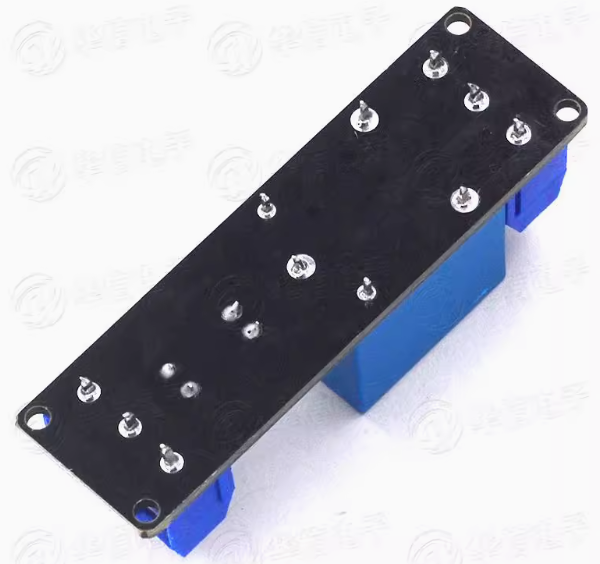
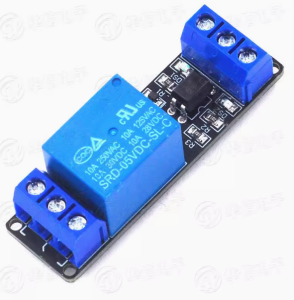
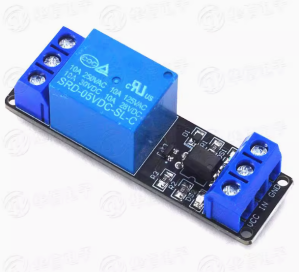
1-way 5v/12V electromagnetic relay module with optocoupler isolation low level trigger PLC control drive board

SKU: FA2196-0
Channels

1 (single-way)Relay Rating

Relay Rating

10A at 250V AC / 10A at 30V DC

Coil Voltage Options

5V DC or 12V DC

Trigger Type

Low level trigger

Isolation

Optocoupler isolation

Contacts

NO / NC / COM

Indication

Power LED + relay status LED

Terminal Type

Screw terminals + pin headers

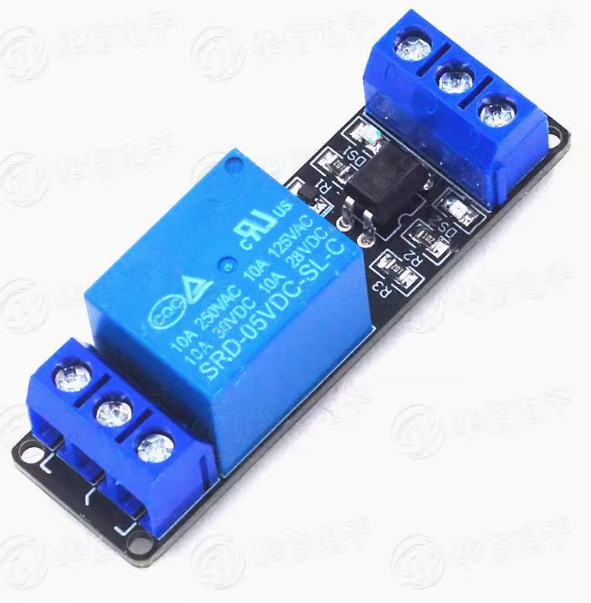
The 1-Way 5V/12V Electromagnetic Relay Module is a compact, high-reliability switching board designed for microcontroller and PLC-based control systems. It features optocoupler isolation between the control signal and the relay coil, ensuring that your sensitive logic circuits are protected from voltage spikes and electrical noise generated by the relay and connected loads. The module is available in 5V and 12V coil variants and uses a low-level trigger design, meaning the relay activates when the input signal is pulled LOW (0V).

At the heart of the module is a high-quality electromagnetic relay capable of switching AC or DC loads up to 10A at 250V AC or 10A at 30V DC. This makes it suitable for controlling lamps, motors, solenoids, heaters, and other household or industrial devices directly from a logic signal. The relay provides Normally Open (NO) , Normally Closed (NC) , and Common (COM) contacts for flexible wiring configurations.

The optocoupler isolation is a key safety feature. It creates a galvanic barrier between the control side (your microcontroller or PLC) and the load side (the relay and connected equipment). This protects your logic circuits from back-EMF, voltage transients, and ground loops that can occur when switching inductive loads such as motors and solenoids.

Voltage options are a key advantage of this module. The 5V version is compatible with Arduino Uno, Arduino Nano, and other 5V logic systems. The 12V version is suitable for industrial control systems, automotive applications, and PLCs that operate on 12V logic. Both versions use the same low-level trigger design and optocoupler isolation, ensuring consistent performance across different system voltages.

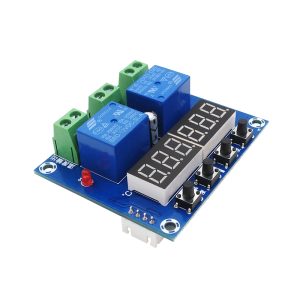
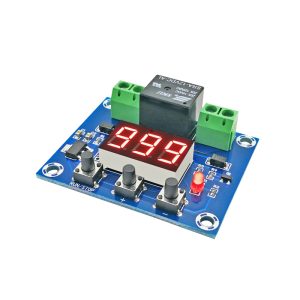
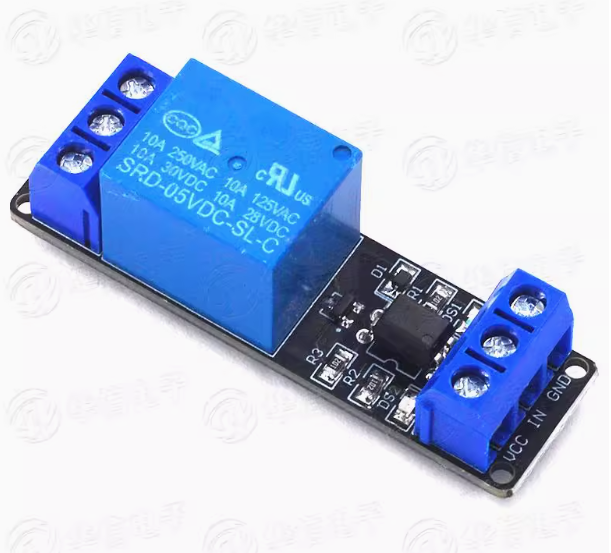
The module features screw terminals for secure connection of the load wiring, and pin headers for easy connection to your microcontroller or PLC. LED indicators provide visual feedback: a power LED and a relay status LED that lights up when the relay is activated. The compact PCB design with mounting holes makes it easy to integrate into control panels, equipment enclosures, and custom projects.

The module is widely used in PLC control systems, home automation, industrial automation, IoT projects, smart switches, automotive electronics, and any application where a low-voltage logic signal needs to control a higher-power load. It is also popular in educational projects for teaching relay control and optocoupler isolation principles.

Important Note: The relay is rated for 10A at 250V AC or 30V DC. For inductive loads such as motors, it is recommended to keep the load current below 60–70% of the rated value for reliable operation. Always ensure proper isolation and safety precautions when working with mains voltage.

Whether you are building a smart home controller, automating an industrial process, or adding relay control to a microcontroller project, the 1-Way 5V/12V Electromagnetic Relay Module provides a reliable, isolated solution. It is suitable for individual makers, students, and businesses purchasing in bulk for product development or industrial applications.


Features

  • 1-way relay output — Single-channel switching for AC or DC loads

  • 5V and 12V coil options — Compatible with different logic systems

  • Optocoupler isolation — Protects control circuits from load-side noise and voltage spikes

  • Low level trigger — Relay activates when input is pulled LOW

  • High-current relay — 10A at 250V AC / 30V DC switching capacity

  • LED indicators — Power LED and relay status LED for visual feedback

  • Screw terminals — Secure connection for load wiring

  • Pin headers — Easy connection to microcontroller or PLC

  • Compact PCB design — With mounting holes for easy installation

  • Wide application range — PLC control, home automation, industrial automation, automotive


Technical Specifications 

# Parameter Specification
1 Channels 1 (single-way)
2 Relay Rating 10A at 250V AC / 10A at 30V DC
3 Coil Voltage Options 5V DC or 12V DC
4 Trigger Type Low level trigger
5 Isolation Optocoupler isolation
6 Contacts NO / NC / COM
7 Indication Power LED + relay status LED
8 Terminal Type Screw terminals + pin headers

Usage

Getting Started

  1. Connect power — Supply the appropriate voltage (5V or 12V DC) to the VCC pin and GND to ground. The power LED should light up.

  2. Connect the control signal — Connect your microcontroller‘s GPIO pin or PLC output to the IN pin. The module uses low-level trigger — the relay activates when the IN pin is pulled LOW (0V).

  3. Connect the load — Wire your device to the relay’s NO/NC/COM terminals. Use the screw terminals for secure connections.

  4. Test the circuit — Set the control pin LOW to activate the relay, and HIGH to deactivate. The relay status LED should indicate the current state.

Trigger Logic

IN Pin State Relay State Status LED
LOW (0V) Activated (ON) Lit
HIGH (VCC) Deactivated (OFF) Off

Coil Voltage Selection

Version Logic Compatibility Typical Applications
5V Arduino Uno, Nano, 5V MCUs DIY projects, home automation
12V PLCs, industrial controllers, automotive Industrial control, vehicle systems

Typical Applications

  • PLC control systems — Interface logic signals with higher-power loads

  • Home automation — Control lamps, fans, and appliances via microcontroller

  • Industrial automation — Relay switching for equipment and machinery

  • IoT projects — Add relay control to ESP32/ESP8266-based devices

  • Automotive electronics — 12V relay control for vehicle systems

  • Smart switches — Build custom smart switches with isolated control

  • Educational projects — Teaching relay control and optocoupler isolation

Notes for Business Buyers

  • Optocoupler isolation — Protects sensitive control electronics from load-side transients.

  • Dual voltage options — 5V and 12V variants cover a wide range of systems.

  • High-current relay — 10A capacity covers most small-to-medium power devices.

  • Suitable for bulk purchasing — Ideal for product development, industrial control, and educational programs.

Q: What is the 1-Way 5V/12V Relay Module used for?

It is a single-channel relay board for controlling AC or DC loads from a logic signal, with optocoupler isolation for safe operation. It is available in 5V and 12V coil versions.

Q: What is the relay rating?

The relay is rated for 10A at 250V AC or 10A at 30V DC.

Q: What is the difference between the 5V and 12V versions?

The 5V version is compatible with 5V logic systems like Arduino Uno. The 12V version is suitable for industrial PLCs, automotive systems, and 12V control circuits. Both use the same low-level trigger and optocoupler isolation design.

Q: What does “low level trigger” mean?

It means the relay activates when the input signal is pulled LOW (0V) . When the input is HIGH (VCC), the relay is deactivated.

Q: What is optocoupler isolation?

Optocoupler isolation creates a galvanic barrier between the control side and the load side, protecting your microcontroller or PLC from voltage spikes and electrical noise.

Q: Can I use the 5V version with a 3.3V microcontroller?

The 5V version is designed for 5V logic. Using it with a 3.3V microcontroller may require level shifting or a different module variant.

Q: What are the NO, NC, and COM terminals?

NO (Normally Open) : contacts are open by default and close when the relay activates. NC (Normally Closed) : contacts are closed by default and open when the relay activates. COM (Common) : the common terminal for both NO and NC.

Q: Does the module have LED indicators?

Yes. There is a power LED and a relay status LED that indicates whether the relay is activated.

Q: How do I connect the load?

Use the screw terminals to connect your load to the NO or NC contacts and COM. Ensure proper isolation and safety precautions when working with mains voltage.

Q: Can I purchase in bulk for a product development project?

Yes. This relay module is suitable for both individual users and business purchasing, including product development, industrial control, and educational programs.