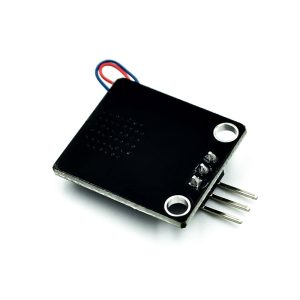
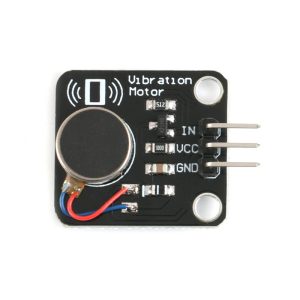
3-5V DC Vibration Motor Module for Digital Control – 21mm x 30mm PCB Board

SKU: FA2182
Operating Voltage

3V – 5V DC

Motor Type

DC vibration motor (unbalanced weight)

Control Interface

Digital (HIGH/LOW signal)

Pin Count

3 pins (VCC, GND, SIG)

PCB Dimensions

21mm × 30mm

Mounting

PCB with mounting holes

Current Consumption

Dependent on motor variant (typically 60-100mA)

Compatibility

Arduino, ESP32, ESP8266, STM32, and other MCUs

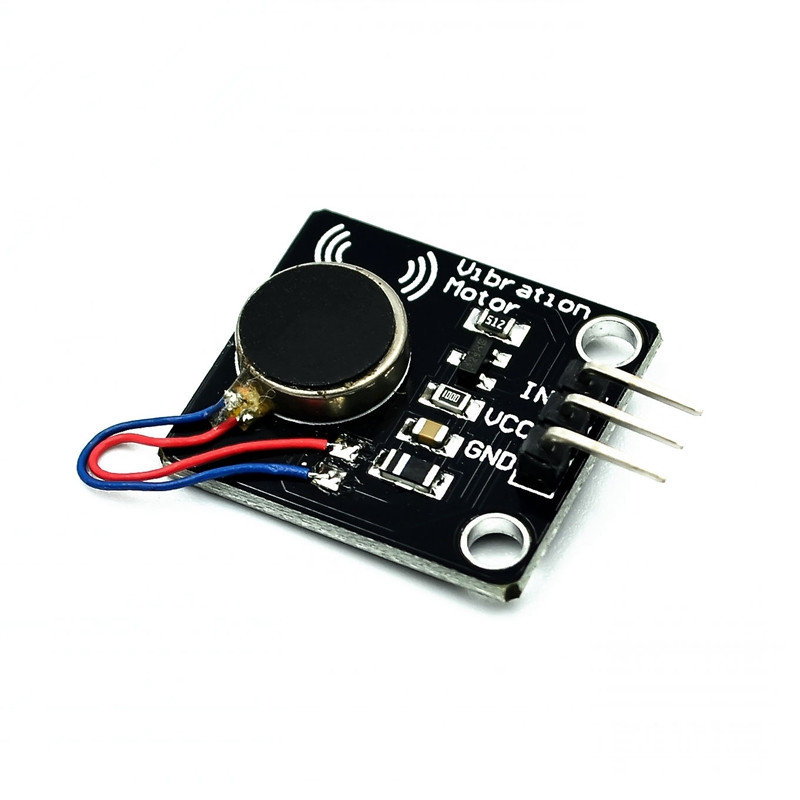
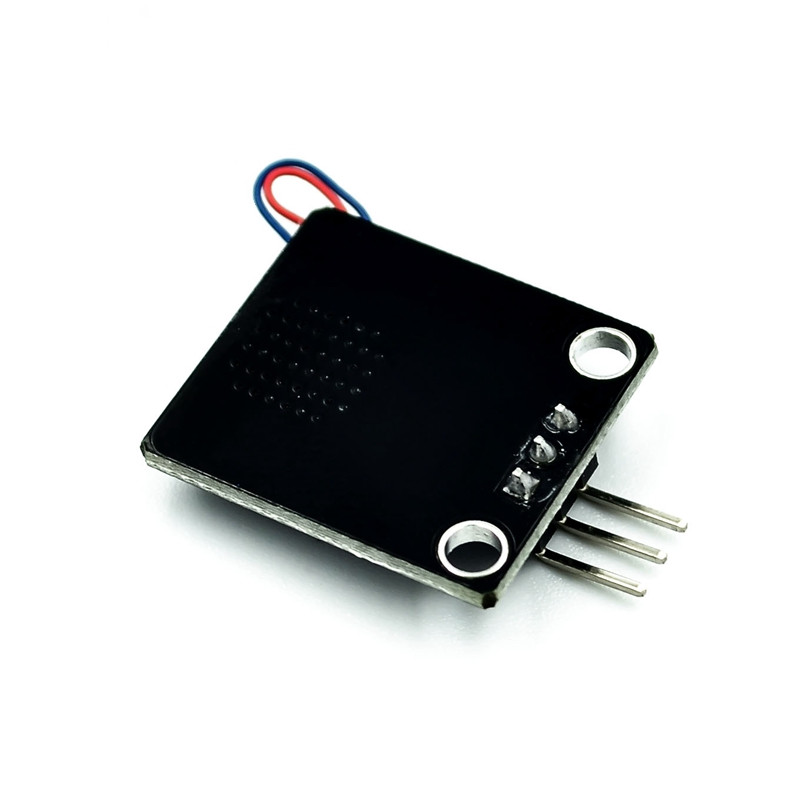
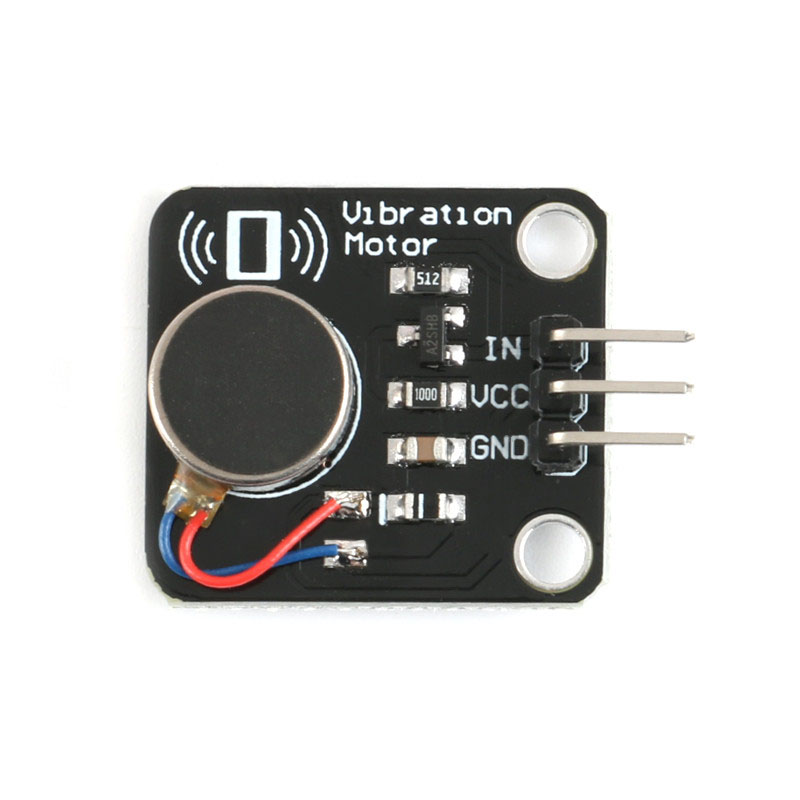
The 3-5V DC Vibration Motor Module is a compact, easy-to-use haptic feedback driver board designed for microcontroller projects, wearable devices, and interactive electronics. It combines a small DC vibration motor with a driver circuit on a single 21mm × 30mm PCB, allowing you to add vibration alerts and haptic feedback to your projects with just a few connections.

The module operates from a 3V to 5V DC supply, making it compatible with Arduino, ESP32, ESP8266, STM32, and other common microcontrollers. The digital control interface allows you to turn the vibration motor on and off using a simple HIGH/LOW signal from a microcontroller GPIO pin. The onboard driver circuit handles the current requirements of the motor, so you don’t need to worry about exceeding your microcontroller’s pin current limits.

The vibration motor is a compact, cylindrical DC motor with an unbalanced weight attached to its shaft. When powered, the motor spins rapidly, creating a vibration that can be felt through the device or enclosure. This makes it ideal for silent alerts, haptic feedback, notification systems, and wearable devices where audible alarms are not practical.

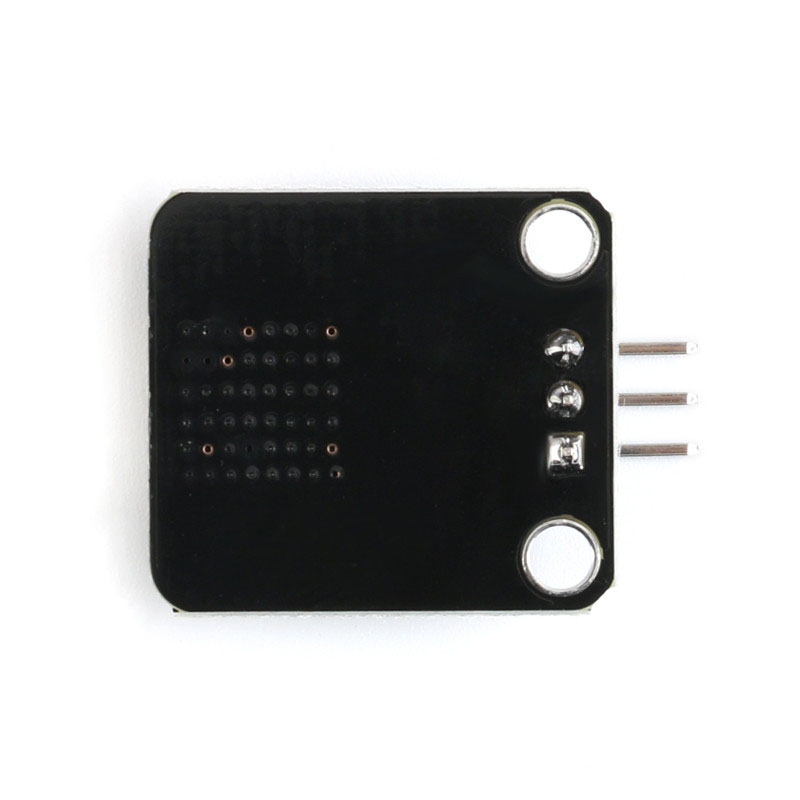
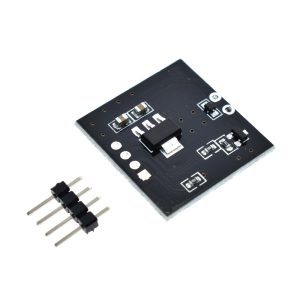
The module features a standard 3-pin interface (VCC, GND, SIG) for easy connection to breadboards and jumper wires. The PCB board provides mounting holes for secure installation in custom enclosures and project boxes. The compact 21mm × 30mm form factor makes it suitable for space-constrained designs.

The module is widely used in wearable devices, smart watches, fitness trackers, game controllers, robotic systems, and notification devices. It is also popular in educational projects for teaching motor control, haptic feedback, and embedded systems.

Whether you are building a wearable notification device, a gaming controller with haptic feedback, or a silent alarm system, the 3-5V DC Vibration Motor Module provides a reliable, cost-effective solution. It is suitable for individual makers, students, and businesses purchasing in bulk for product development or educational programs.


Features

  • 3V to 5V DC operation — Compatible with Arduino, ESP32, ESP8266, STM32, and other microcontrollers

  • Digital control interface — Simple HIGH/LOW signal control from a microcontroller GPIO pin

  • Onboard driver circuit — Handles motor current requirements, protecting your microcontroller

  • Compact vibration motor — Cylindrical DC motor with unbalanced weight for haptic feedback

  • Standard 3-pin interface — VCC, GND, SIG for easy breadboard and jumper wire connection

  • Compact PCB form factor — 21mm × 30mm board with mounting holes

  • Silent alert capability — Ideal for notifications where audible alarms are not practical

  • Wide application range — Wearables, game controllers, robotics, and educational projects


Technical Specifications 

# Parameter Specification
1 Operating Voltage 3V – 5V DC
2 Motor Type DC vibration motor (unbalanced weight)
3 Control Interface Digital (HIGH/LOW signal)
4 Pin Count 3 pins (VCC, GND, SIG)
5 PCB Dimensions 21mm × 30mm
6 Mounting PCB with mounting holes
7 Current Consumption Dependent on motor variant (typically 60-100mA)
8 Compatibility Arduino, ESP32, ESP8266, STM32, and other MCUs

Usage

Getting Started

  1. Connect power — Connect VCC to 3V–5V and GND to ground.

  2. Connect control signal — Connect SIG to a digital GPIO pin on your microcontroller.

  3. Mount the module — Secure the PCB using the mounting holes in your enclosure or project.

  4. Write your code — Set the SIG pin HIGH to activate the vibration motor, and LOW to turn it off.

  5. Test the module — Upload a simple sketch that toggles the SIG pin to verify operation.

Pin Connections

Module Pin Function Arduino Uno ESP32 ESP8266
VCC Power 5V or 3.3V 3.3V 3.3V
GND Ground GND GND GND
SIG Control Signal Any digital pin Any GPIO Any GPIO

Example Arduino Code

cpp
int vibrationPin = 7;  // SIG connected to digital pin 7

void setup() {
  pinMode(vibrationPin, OUTPUT);
}

void loop() {
  digitalWrite(vibrationPin, HIGH);  // Vibration ON
  delay(500);
  digitalWrite(vibrationPin, LOW);   // Vibration OFF
  delay(1000);
}

Typical Applications

  • Wearable devices — Fitness trackers, smart watches, and notification bands

  • Game controllers — Haptic feedback for gaming and VR

  • Silent alerts — Notification systems where audible alarms are not suitable

  • Robotics — Tactile feedback for robot operators

  • Accessibility devices — Vibration alerts for hearing-impaired users

  • Educational projects — Teaching motor control and haptic feedback principles

Notes for Business Buyers

  • Integrated driver circuit — Simplifies design and protects microcontroller pins.

  • Compact form factor — 21mm × 30mm board fits into space-constrained designs.

  • Wide voltage compatibility — Works with 3.3V and 5V systems.

  • Suitable for bulk purchasing — Ideal for wearable product development, educational kits, and commercial deployments.

Q: What is the 3-5V DC Vibration Motor Module used for?

It is a haptic feedback driver board for adding vibration alerts and notifications to microcontroller projects, wearable devices, and interactive electronics.

Q: What voltage does the module require?

It operates from 3V to 5V DC, making it compatible with most microcontrollers.

Q: How do I control the vibration motor?

Connect the SIG pin to a digital GPIO on your microcontroller. Set the pin HIGH to activate vibration and LOW to turn it off.

Q: Does the module require an external driver?

No. The module includes an onboard driver circuit that handles the motor current, so you can connect it directly to your microcontroller.

Q: What is the current consumption of the vibration motor?

Current consumption depends on the specific motor variant, typically 60-100mA at 3-5V.

Q: Can I use this module with a 3.3V microcontroller?

Yes. The module operates from 3V to 5V, making it compatible with both 3.3V and 5V systems.

Q: What is the size of the PCB?

The PCB measures 21mm × 30mm and includes mounting holes for secure installation.

Q: Can I adjust the vibration intensity?

The vibration intensity is fixed by the motor’s design and the supply voltage. Using PWM on the SIG pin can provide some control over vibration strength.

Q: Is the vibration motor replaceable?

The motor is typically soldered to the PCB. Replacement requires desoldering and soldering a new motor.

Q: Can I purchase in bulk for a school or company?

Yes. This module is suitable for both individual users and business purchasing, including wearable product development, educational kits, and commercial deployments.