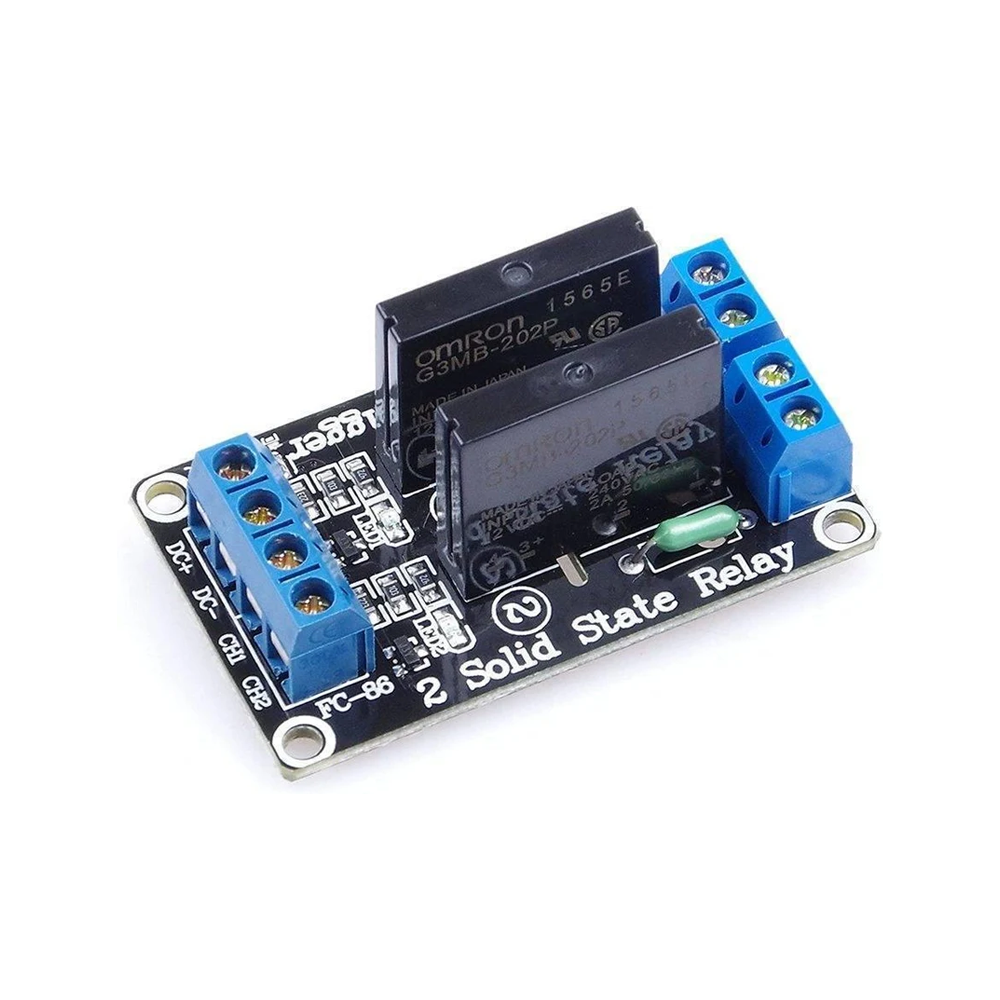
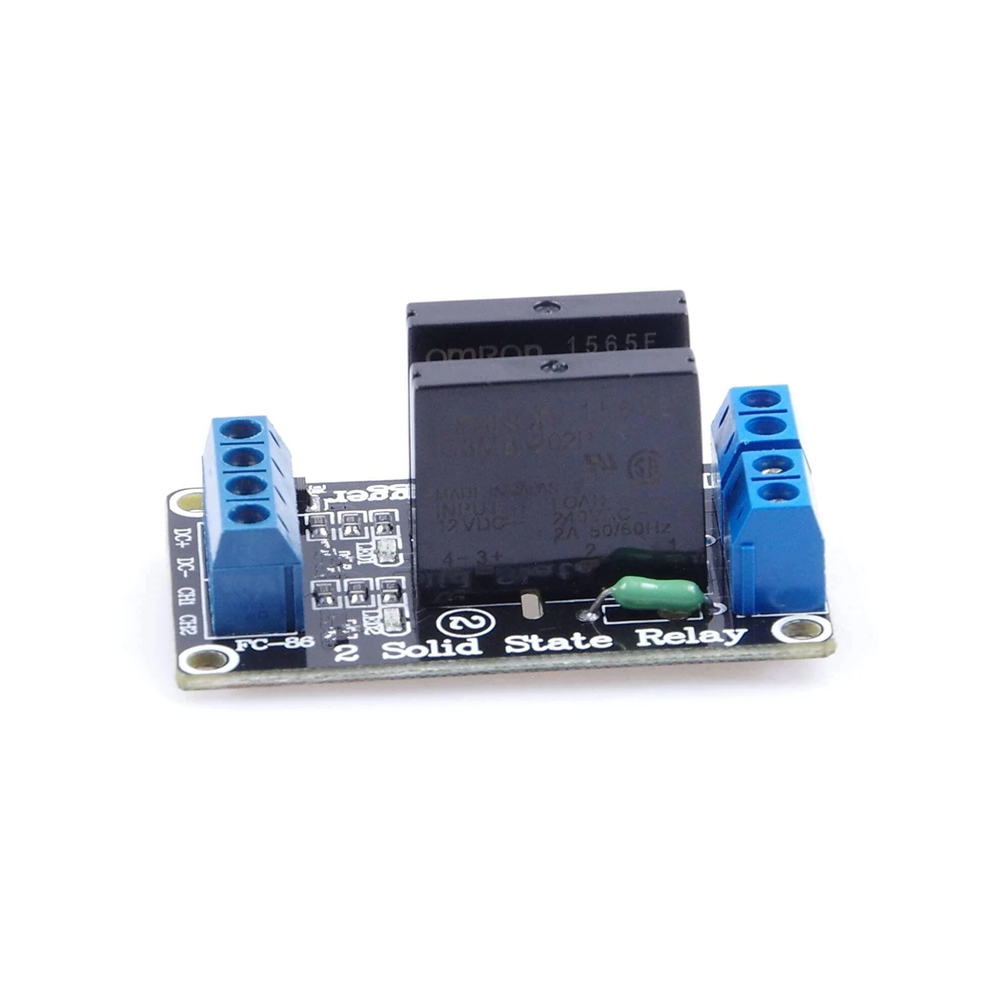
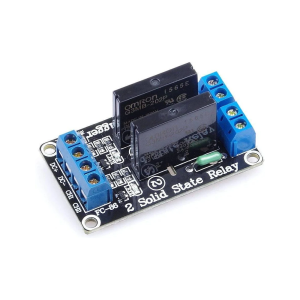
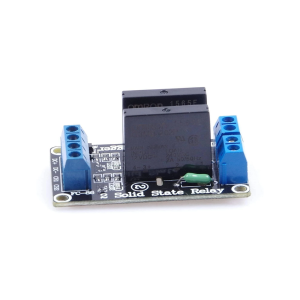
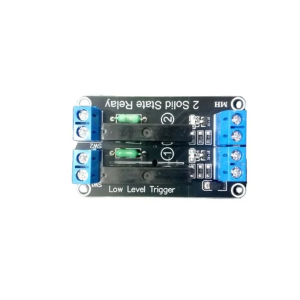
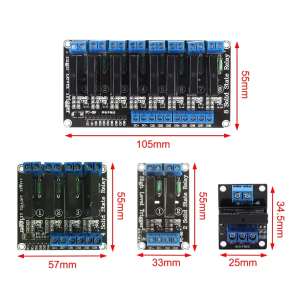
Industrial Grade 2-Channel Solid State Relay Module – 3-24V DC Output, AC Control Signal (Selectable High/Low Level Trigger)

SKU: FA2083-1-1
Channels

2 independent channels

Output Voltage

3V – 24V DC

Control Signal

AC control signal input

Trigger Mode

Selectable high/low level

Isolation

Optical isolation

Switching Type

Solid-state (no mechanical contacts)

Indication

LED per channel

Terminal Type

Screw terminals

The Industrial Grade 2-Channel Solid State Relay Module is a high-reliability switching solution designed for demanding industrial and commercial applications. Unlike traditional mechanical relays, this module uses solid-state technology with no moving contacts, providing silent operation, extremely long service life, and exceptional resistance to shock and vibration. It is ideal for applications requiring frequent switching, precise timing, and maintenance-free operation.

The module features two independent output channels, each capable of switching DC loads from 3V to 24V. Control is provided through an AC control signal input, making it suitable for interfacing with industrial controllers, PLCs, and automation systems that use AC signaling. A selectable high/low level trigger function allows the module to be configured for either active-high or active-low control logic, ensuring compatibility with a wide range of control systems.

Solid-state relays offer significant advantages over mechanical relays in industrial environments. With no mechanical wear, they can perform millions of switching cycles without degradation. The absence of contact arcing eliminates electromagnetic interference (EMI) and extends the life of connected equipment. The module also provides faster switching speeds than mechanical relays, making it suitable for applications requiring precise timing and rapid response.

The module is designed for industrial-grade reliability, with robust construction and optical isolation between the control and output circuits. This isolation protects sensitive control electronics from voltage spikes and transients on the output side, ensuring safe and reliable operation in harsh electrical environments.

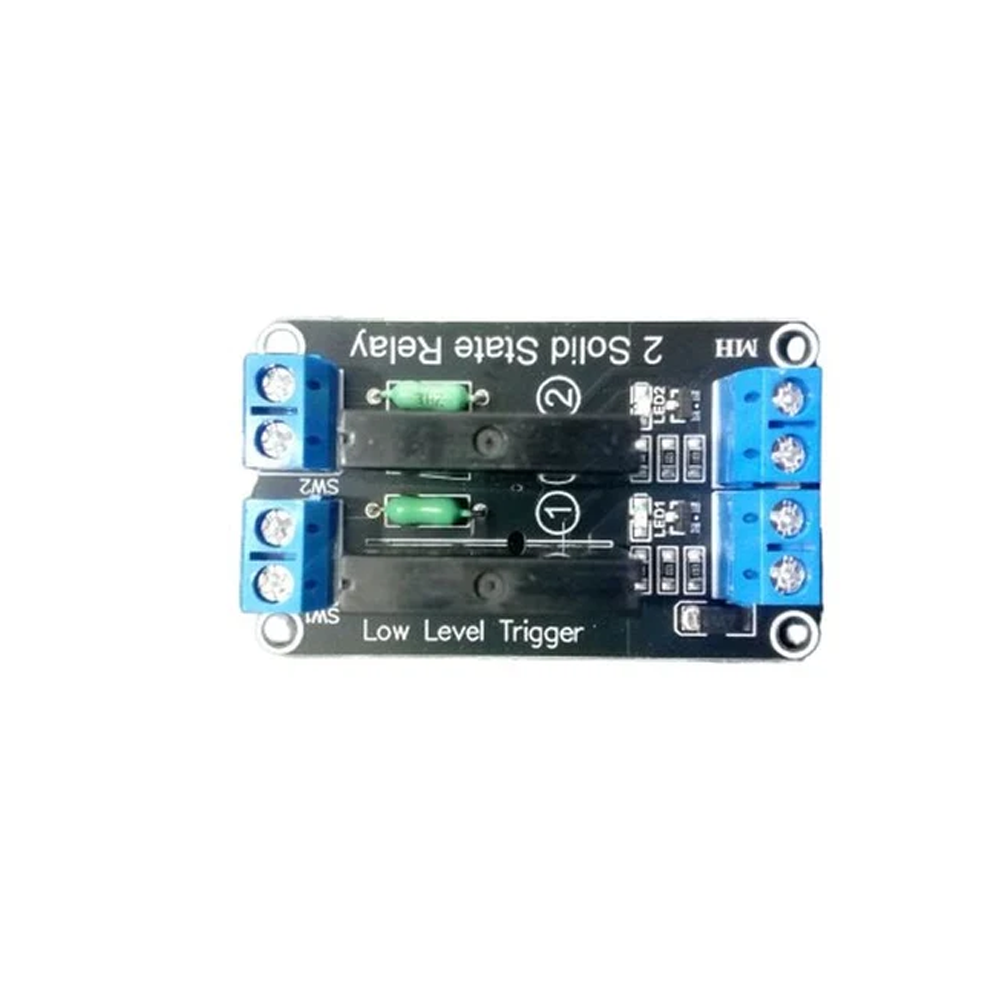
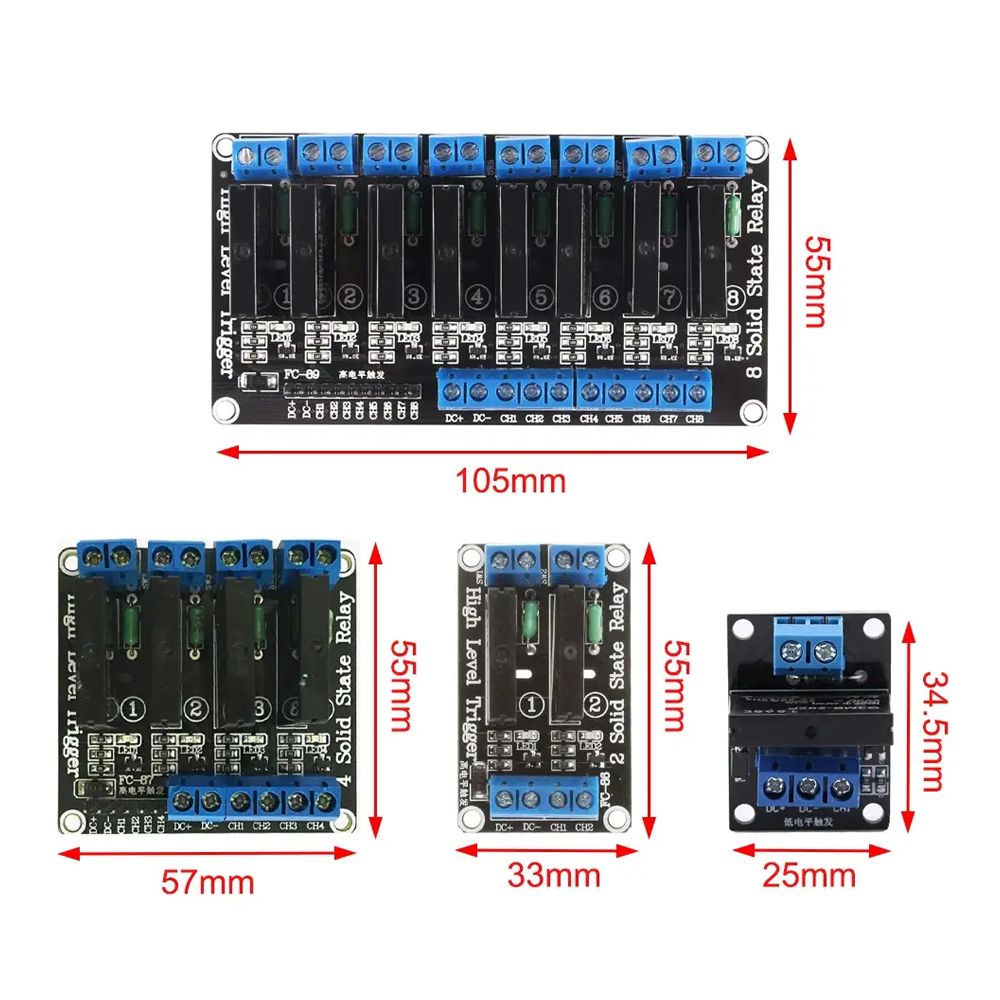
The module features screw terminal connections for secure wiring of both control signals and output loads, and includes LED indicators for each channel to provide clear visual feedback of the relay state. The compact form factor and standard mounting holes make it easy to install in control panels, DIN rails, and equipment enclosures.

Whether you are building an industrial control panel, automating a commercial process, or upgrading an existing relay system, the Industrial Grade 2-Channel Solid State Relay Module provides a reliable, long-lasting solution. It is suitable for individual engineers, system integrators, and businesses purchasing in bulk for industrial deployments.


Features

  • Two independent channels — Control two separate DC loads simultaneously

  • 3-24V DC output — Wide output voltage range for diverse load requirements

  • AC control signal input — Compatible with industrial controllers and PLCs

  • Selectable high/low level trigger — Configurable for active-high or active-low logic

  • Solid-state technology — No moving contacts, no arcing, silent operation

  • Extremely long service life — Millions of switching cycles without degradation

  • Optical isolation — Protects control electronics from output-side transients

  • LED indicators — Visual feedback for each channel’s state

  • Screw terminals — Secure wiring for control and load connections

  • Industrial-grade construction — Designed for harsh environments and continuous operation


Technical Specifications

# Parameter Specification
1 Channels 2 independent channels
2 Output Voltage 3V – 24V DC
3 Control Signal AC control signal input
4 Trigger Mode Selectable high/low level
5 Isolation Optical isolation
6 Switching Type Solid-state (no mechanical contacts)
7 Indication LED per channel
8 Terminal Type Screw terminals

Usage

Getting Started

  1. Mount the module — Secure the module to a panel or DIN rail using the mounting holes. Ensure adequate ventilation around the module.

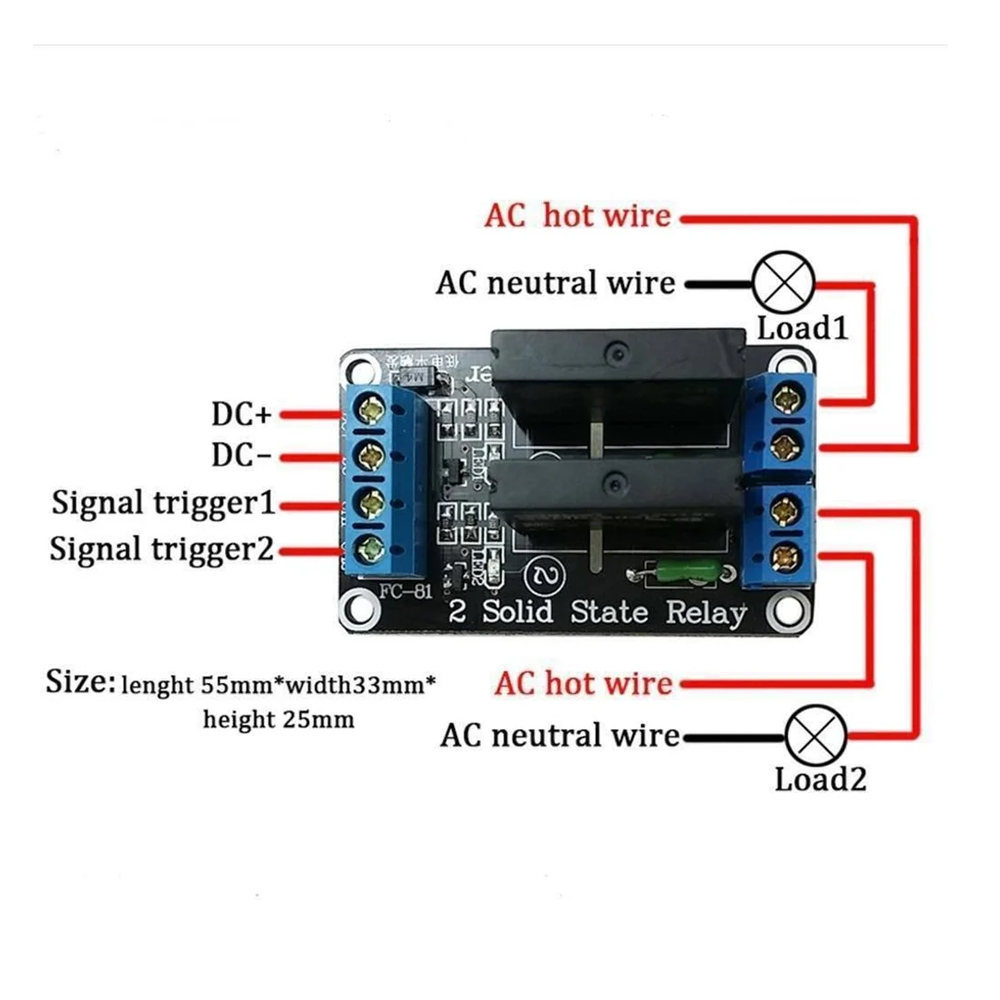
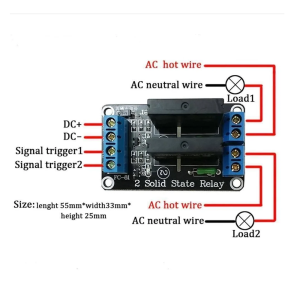
  2. Connect the control signal — Wire the AC control signal to the input terminals. Observe the polarity and voltage requirements specified for your control system.

  3. Set the trigger mode — Use the onboard jumper or switch to select high-level or low-level trigger, depending on your control signal logic.

  4. Connect the load — Wire the DC load (3–24V) to the output terminals. Observe correct polarity for DC loads.

  5. Power on and test — Apply the control signal. The corresponding channel LED should light up, and the load should activate.

Trigger Mode Selection

Trigger Mode Control Signal Relay State
High Level HIGH (active) ON
High Level LOW (inactive) OFF
Low Level LOW (active) ON
Low Level HIGH (inactive) OFF

Typical Applications

  • Industrial control panels — Switching DC valves, solenoids, and actuators

  • PLC interfacing — Connecting PLC outputs to DC loads

  • Automation systems — Precise timing and frequent switching applications

  • Test equipment — Automated switching for test and measurement

  • Safety systems — Reliable switching for emergency shutdown circuits

  • HVAC controls — Switching DC control signals for heating and cooling equipment

Notes for Business Buyers

  • Long service life — Solid-state design eliminates mechanical wear, reducing maintenance costs.

  • Fast switching — Suitable for high-frequency switching applications beyond mechanical relay capabilities.

  • Optical isolation — Protects control electronics and improves system reliability.

  • Suitable for bulk purchasing — Ideal for industrial control panels, automation projects, and OEM integration.

Q: What is a solid-state relay (SSR) and how does it differ from a mechanical relay?

A solid-state relay uses semiconductor devices to switch loads, with no moving mechanical contacts. Unlike mechanical relays, SSRs have no contact wear, no arcing, silent operation, and much longer service life.

Q: What is the output voltage range of this module?

The module switches DC loads from 3V to 24V on each channel.

Q: What type of control signal does this module accept?

It accepts an AC control signal, making it compatible with industrial controllers and PLCs that use AC signaling.

Q: What is selectable high/low level trigger?

This feature allows you to configure whether the relay activates on a HIGH signal (active-high) or a LOW signal (active-low), ensuring compatibility with different control systems.

Q: How many channels does this module have?

It has two independent channels, each capable of controlling a separate DC load.

Q: Does the module provide isolation between control and output?

Yes. The module uses optical isolation to protect control electronics from voltage spikes and transients on the output side.

Q: What are the LEDs for?

Each channel has an LED indicator that lights up when the corresponding relay is active, providing clear visual feedback.

Q: How do I wire the module?

Use the screw terminals to connect the AC control signal and the DC load. Observe the polarity markings for DC loads.

Q: Can this module switch AC loads?

This module is designed for DC output loads (3–24V). For AC load switching, a different relay module rated for AC voltage is required.

Q: Can I purchase in bulk for industrial projects?

Yes. This module is suitable for both individual users and business purchasing, including industrial control panels, automation projects, and OEM integration.